U.S. Extends Sanctions Waiver for Seaborne Russian Oil Purchases Through May 16
Key Takeaways
- U.S. extends seaborne Russian oil waiver through May 16, 2026.
- OFAC General License 134B authorizes shipments already at sea.
- Aimed at easing energy markets amid Iran conflict; drew criticism from lawmakers and allies.
Waiver Extended Again
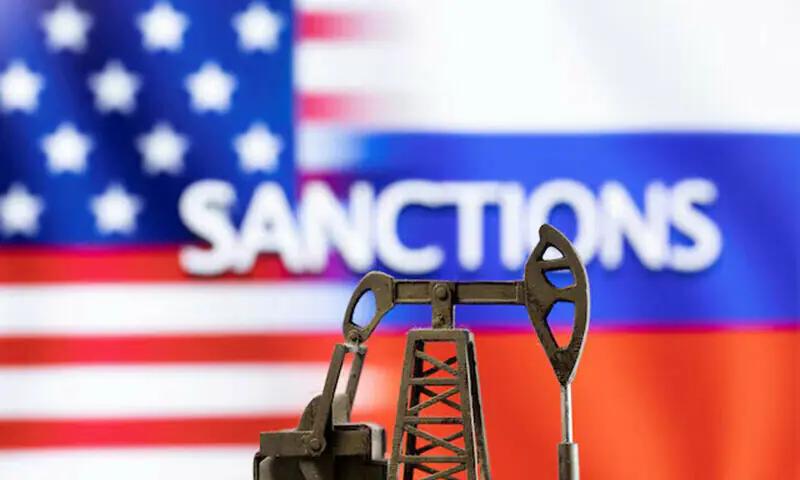
The United States extended a sanctions waiver for seaborne purchases of Russian oil and petroleum products through May 16, replacing an earlier 30-day waiver that expired on April 11.
Reuters reported that the renewed waiver covers purchases of Russian oil and petroleum products loaded on vessels as of Friday and remains in effect through May 16.
The New York Times described the renewed license as “in effect until May 16” and said it “supersede[s] the sanctions waiver on Russia that expired on April 11.”
The Hill similarly said the Trump administration “extended a waiver on sanctioned Russian oil and petroleum products” and that “a license allowing countries to purchase Russian oil from Friday through May 16 was posted on the Treasury Department’s website.”
The New Voice of Ukraine added that the U.S. Treasury Department’s Office of Foreign Assets Control extended a limited exemption, issuing “General License 134B” while keeping sanctions in place, with the new exemption “remain[ing] in effect until May 16, 2026.”
The exemption’s scope was also defined in multiple accounts: Reuters said it “does not apply to transactions involving Iran, Cuba or North Korea,” while The Economic Times likewise said it “excludes transactions involving Iran, Cuba and North Korea.”
From Bessent to OFAC
The waiver extension followed a rapid policy reversal that multiple outlets tied to comments by Treasury Secretary Scott Bessent earlier in the week.
Reuters said the move marked a reversal from comments made “two days earlier by Treasury Secretary Scott Bessent,” who had said the United States would not renew the waiver for Russian oil or another waiver covering Iranian oil due to expire on Sunday.
The New Voice of Ukraine likewise said the administration of Donald Trump “renewed a 30-day waiver” “despite earlier signals it would not extend the practice,” and it noted the previous exemption was introduced on March 12, 2026.
Radio Free Europe/Radio Liberty described the timing as “policy confusion,” saying “Just two days earlier, Treasury Secretary Scott Bessent had told reporters the administration would not extend the earlier waiver.”
The Hill reported that “On Wednesday, Treasury Secretary Scott Bessent told reporters that the waiver would not be extended,” and it added that he said the waiver on Iranian oil “would also not be extended.”
In the Reuters account, a Treasury Department spokesperson said, “As negotiations (with Iran) accelerate, Treasury wants to ensure oil is available to those who need it.”
Iran Tensions and Oil Prices
Several reports linked the Russian oil waiver to the broader energy disruption caused by the Iran conflict and the status of the Strait of Hormuz.
Reuters said the decision came as the Trump administration sought to “contain global energy prices,” which Reuters tied to “the US-Israeli war with Iran,” and it reported that “Global oil prices fell 9 per cent on Friday to around $90 a barrel after Iran temporarily reopened the Strait of Hormuz.”
Reuters also said the war had entered its “eighth week on Saturday,” and that “More than 80 oil and gas facilities in the Middle East have been damaged,” while Tehran warned it could “again shut the strait if a recent US Navy blockade of Iranian ports continues.”
The New York Times described Iran’s position on the waterway, quoting Iran’s foreign minister saying the Strait of Hormuz was “completely open” for all commercial ships, while also noting uncertainty after President Trump declared the U.S. blockade of Iran’s ports would remain in place.
The Hill tied the waiver’s timing to a ceasefire effort, saying the U.S. and Iran agreed to a “14-day ceasefire agreement” and that the deal required the Strait of Hormuz to reopen to help alleviate oil prices.
In Radio Free Europe/Radio Liberty’s account, oil prices dropped “the same day the waiver was announced after Iran signaled that the key shipping route would reopen to commercial traffic.”
Criticism and Competing Voices
The waiver extension drew criticism from U.S. lawmakers and was framed by outlets as a reversal that could undermine sanctions pressure.
Reuters said the move “drew criticism from US lawmakers and some Western allies,” and it quoted European Commission President Ursula von der Leyen saying “now is not the time to ease sanctions on Russia.”
Radio Free Europe/Radio Liberty reported that leading Senate Democrats, including Chuck Schumer of New York, Elizabeth Warren of Massachusetts, and Jeanne Shaheen of New Hampshire, condemned the decision as a “180-degree reversal,” adding “This decision is shameful,” in a joint statement.
The Hill likewise said Senate Democrats called the reversal “shameful and a 180-degree reversal from Secretary Bessent,” and it quoted the senators’ warning that “Make no mistake, Putin has been one of the biggest beneficiaries of President Trump’s war against Iran.”
The Hill also included a quote from Bessent describing the measure as “narrowly tailored” and saying it “would not provide significant financial benefit to the Russian government.”
Radio Free Europe/Radio Liberty featured sanctions expert Brett Erickson of Obsidian Risk Advisors, who said, “The energy shocks coming out of Asia and Oceania into Western markets are rapidly backing Washington into a corner,” and that “At some point, the only solution left is letting Moscow ride to the rescue and dramatically damaging the sanctions architecture the West has spent years building.”
India, Volumes, and Future Pressure
Beyond U.S. politics, the waiver’s extension was repeatedly tied to India’s ability to keep buying Russian crude and to the scale of volumes covered by waivers.
“arrow-down comments printer search bell top-nav right-arrow left-arrow arrow-down Advertisement Edition choose your destination [](https://marathi”
Reuters said countries in Asia affected by the energy shock had pressed Washington to allow alternative supplies to continue reaching markets, and it reported that a U.S. source said countries on the sidelines of Group of 20, World Bank and International Monetary Fund meetings in Washington asked the United States to extend the waiver.
Reuters also said Trump discussed oil this week in a call with Indian Prime Minister Narendra Modi, and it reported that Bessent said last month that the Iranian oil waiver issued on March 20 had allowed “about 140 million barrels of oil to reach global markets.”
On the Russian side, Reuters quoted Russian President Vladimir Putin’s special envoy Kirill Dmitriev saying the latest U.S. extension would affect “another 100 million barrels of Russian oil,” bringing the total volume covered by both waivers to “200 million barrels.”
The Economic Times said the license “replaces a 30-day waiver that expired on April 11” and described the extension as helping India continue buying Russian crude “in large quantities,” while also noting that without the waiver, “Indian refiners wouldn’t have been able to take deliveries of Russian crude on sanctioned tankers.”
Reuters also quoted sanctions expert Brett Erickson saying Friday’s decision was “unlikely to be the last such step” and that “the tools available to stabilise them are nearly exhausted.”
More on USA

7th Circuit Upholds Illinois Protect Illinois Communities Act Ban on Semiautomatic Guns
12 sources compared

Indiana State Police Trooper Justin Heflin Shot During Pursuit; Suspect Kevin W. Meyers Found Dead
10 sources compared

Donald Trump Fires Election Assistance Commission Members, Leaving No Commissioners
12 sources compared

Eight Accused Of Planning Terror Attack At Casa Blanca UFC Freedom 250 Event
18 sources compared