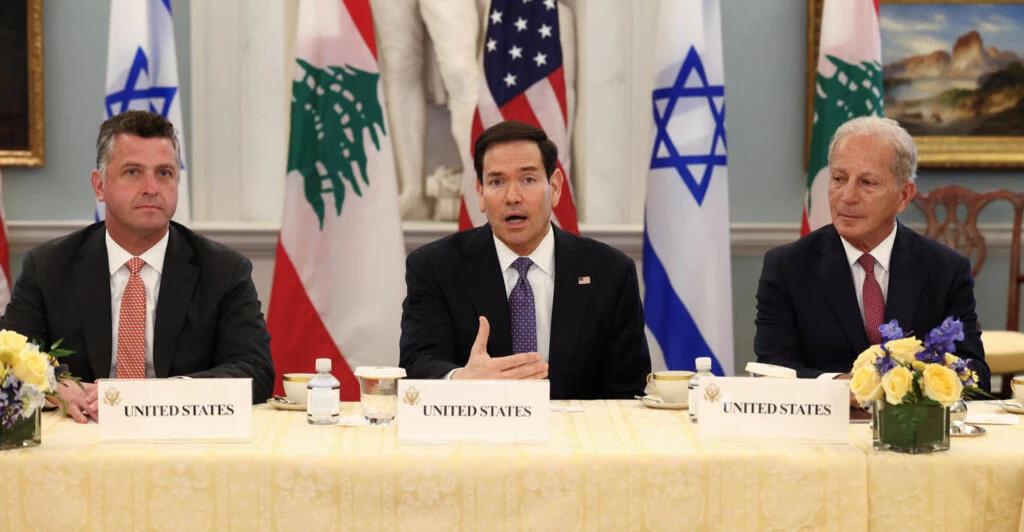
U.S. Facilitates Israel-Lebanon Talks May 14-15 After Israeli Attacks Escalate
Key Takeaways
- US to host two days Israel-Lebanon talks May 14-15 for comprehensive peace and security agreement.
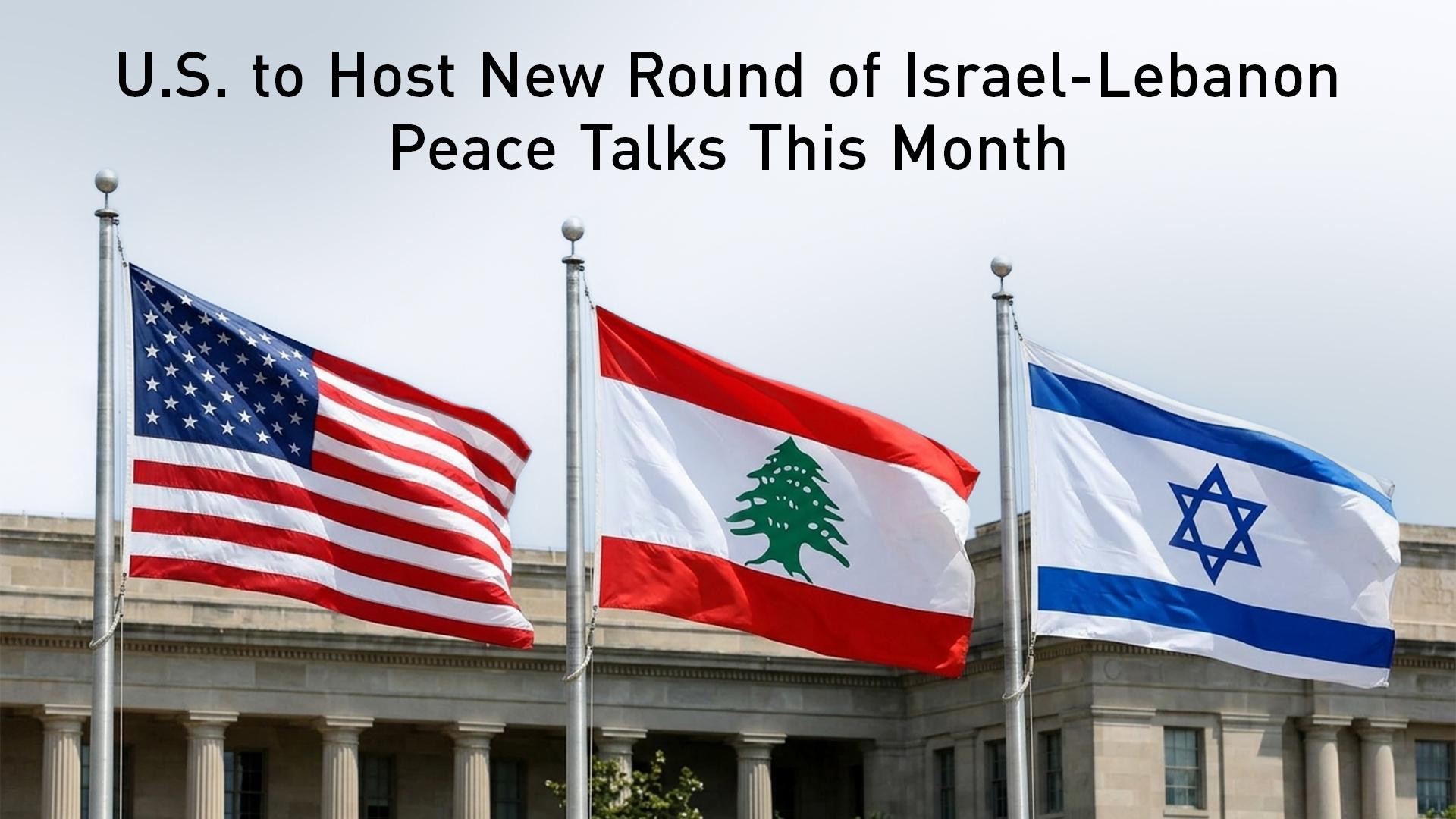
- Talks build on April 23 round led personally by President Trump.
- Negotiations cover border demarcation, security arrangements, and Hezbollah disarmament.
Talks Set for May 14-15
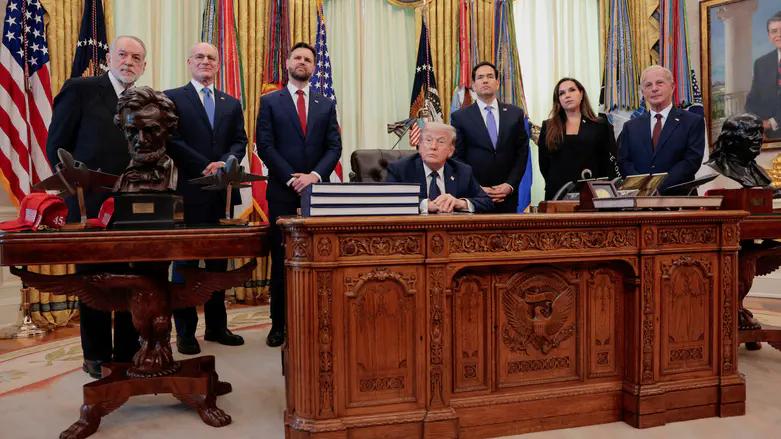
The United States announced that “intensive and detailed” talks, facilitated by Washington, will take place on 14 and 15 May between the “governments of Israel and Lebanon,” with the State Department saying they will be the first negotiations at the level of government delegations after rounds on 14 and 23 April.
“The US State Department announced on Friday that Washington will host another round of talks between Israel and Lebanon on May 14 and 15”
L'Orient Today reported that U.S. State Department spokesperson Thomas Pigott said the delegations “will engage in detailed discussions aimed at advancing a comprehensive peace and security agreement that substantially addresses the fundamental concerns of both countries.”
The same L'Orient Today report said the alleged aim is to establish a “framework for lasting peace and security arrangements” that includes “the full restoration of Lebanese sovereignty over all its territory,” border demarcation, and mechanisms for humanitarian aid and reconstruction in Lebanon.
It also said Beirut is insisting on a halt to Israeli attacks against Lebanon before any meeting with the Israelis, as the situation continues to escalate in southern Lebanon in recent days.
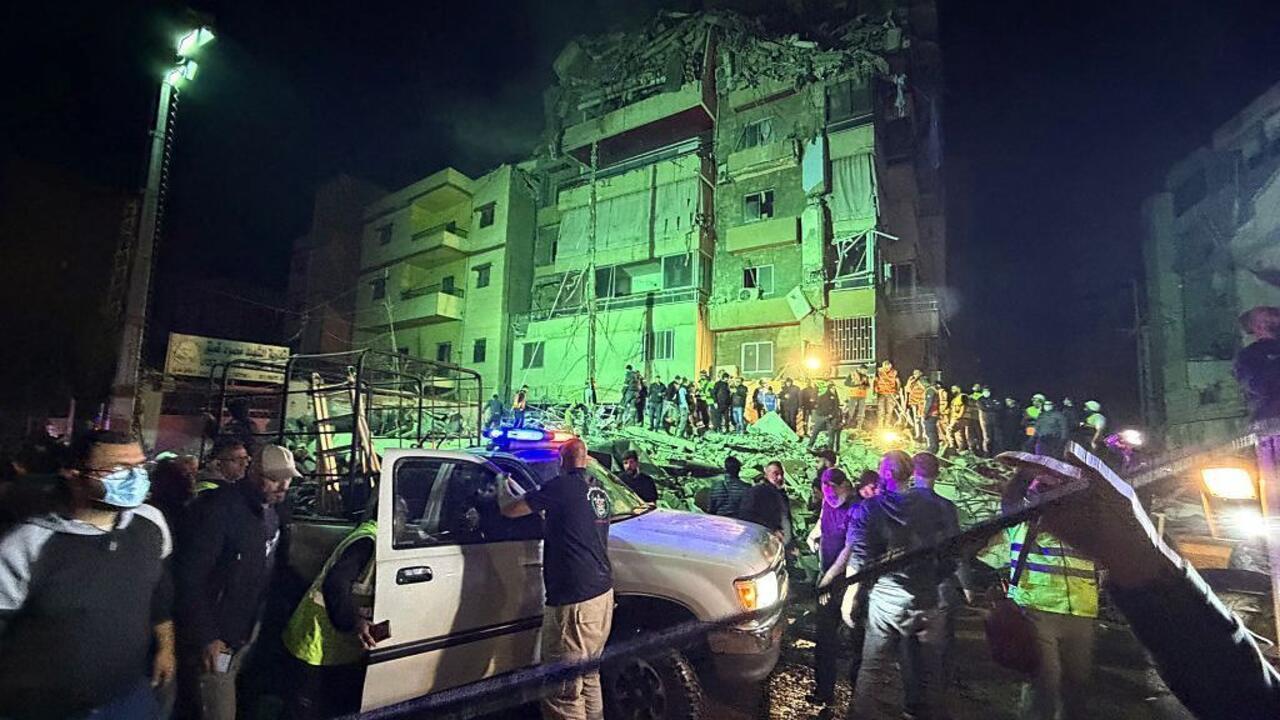
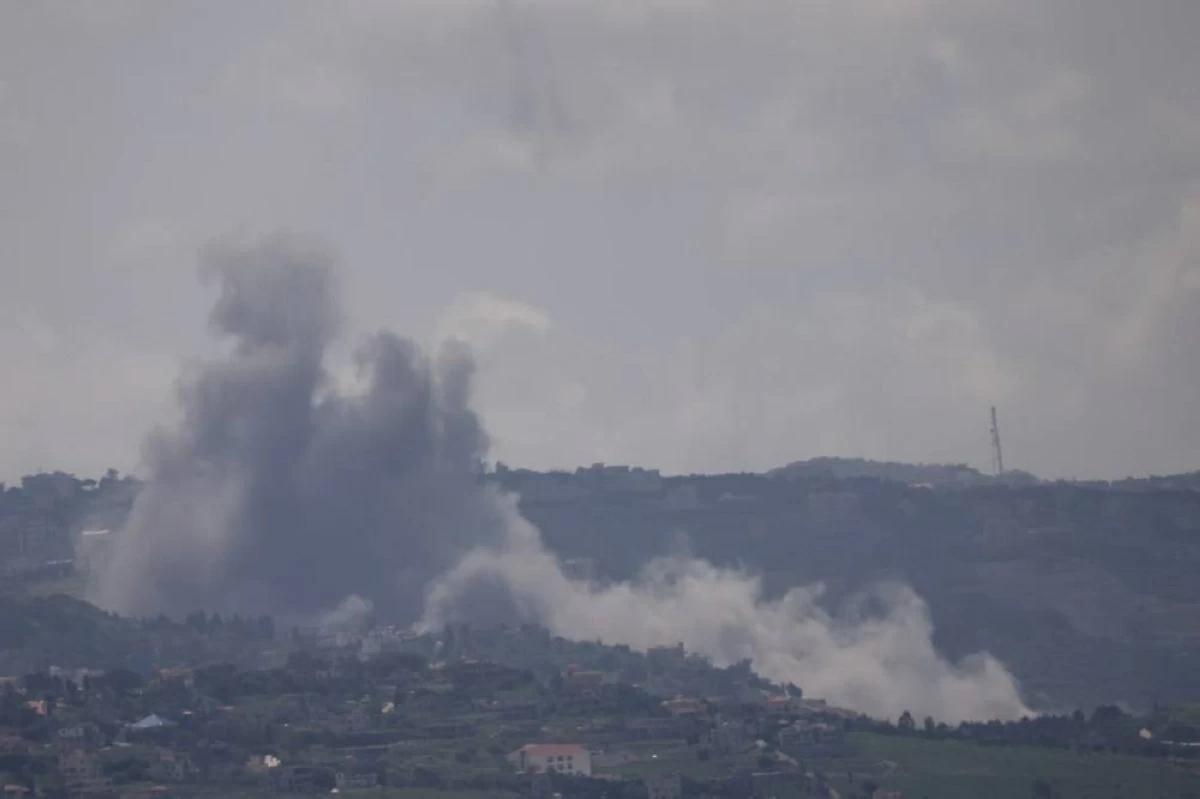
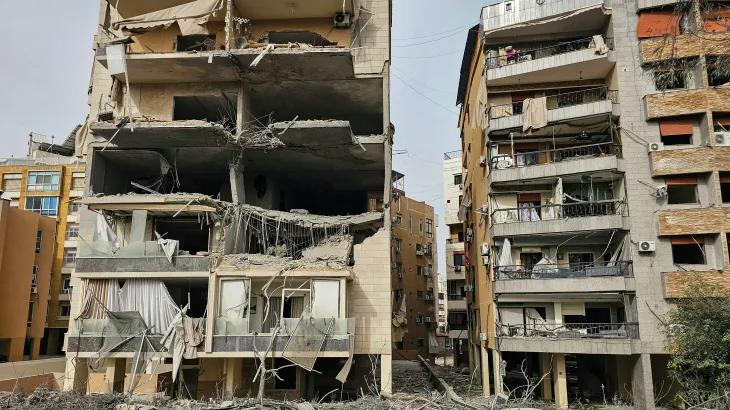
In parallel, Shafaq News said the State Department announcement came as Lebanon continues to face intensified Israeli air and ground attacks, with more than 100 strikes and military operations reported yesterday alone.
Rubio Links Peace to Hezbollah
Shafaq News said Washington stressed that any lasting peace between Israel and Lebanon depends on the Lebanese state fully asserting its authority and the complete disarmament of Hezbollah, while Israeli sources told the Israeli Public Broadcasting Corporation that the talks will address mechanisms for dismantling Hezbollah and advancing border demarcation.
The Jerusalem Post reported that the U.S. State Department said the negotiations would form a “comprehensive peace and security agreement” and expected discussions on “the delineation of borders” and “concrete pathways for humanitarian relief and reconstruction.”
It also quoted U.S. Secretary of State Marco Rubio emphasizing that “The impediment to that is Hezbollah,” as he called for empowering Lebanon’s government to deal with the threat of Hezbollah.
Kurdistan24 added that Rubio stressed the United States “refuses to negotiate directly with Hezbollah,” and said Washington would only discuss Hezbollah-related matters with Iran if Tehran agreed to stop supporting the group.
Meanwhile, L'Orient Today said Lebanese President Joseph Aoun met with Simon Karam, the head of the negotiating delegation, on the same day Washington confirmed the May 14-15 schedule.
Casualties, Sovereignty, and Next Steps
Shafaq News reported that Lebanon’s Health Ministry announced Friday that 32 people were killed and 74 wounded over the past 24 hours, raising the death toll since March 2 to 2,759, with 8,512 others injured.
“DIPLOMACY Lebanon-Israel talks: 'Intensive' talks expected toward 'comprehensive agreement on peace and security,' Washington announces "Comprehensive peace depends on the full restoration of Lebanese state authority and the complete disarmament of Hezbollah," according to the U”
It said Israeli forces continue operations in southern Lebanon despite a fragile ceasefire in place since April 17, describing their actions as targeting Hezbollah infrastructure and fighters.
L'Orient Today framed the U.S. position through Pigott’s statement that “comprehensive peace depends on the full restoration of the authority of the Lebanese state and the complete disarmament of Hezbollah,” tying the talks to sovereignty and disarmament.
The Jerusalem Post reported that Lebanese Prime Minister Nawaf Salam told Al-Jazeera, via Lebanese Broadcasting Corporation International, that the Lebanese government is “committed to ensuring that weapons are solely in the hands of the state,” and said Lebanon would propose an end to Israeli strikes, the release of prisoners, and a phased withdrawal from southern Lebanon.
With the May 14-15 talks set as the next step after April 23, the sources describe a process aimed at “the full restoration of Lebanese sovereignty throughout its territory” and “the complete disarmament of Hezbollah,” while the immediate battlefield context remains defined by ongoing strikes and reported casualties.
More on Lebanon
Lebanese Army Accuses Israel of Ceasefire Violations as Hezbollah Bombs Israeli Soldiers Near Khiam
11 sources compared
Israeli Strikes Kill Two Paramedics and Civil Defense Workers in Southern Lebanon
10 sources compared

Israel Expands Forced Displacement Orders to Lebanese Towns, Strikes Zellaya and Saksakiyeh
10 sources compared
Israel Kills Hezbollah Radwan Commander in Beirut Strike, Testing U.S.-Brokered Ceasefire
18 sources compared