
US Gives Cuba Two Weeks To Release Political Prisoners Including Luis Manuel Otero Alcántara
Key Takeaways
- The U.S. issued a two-week deadline for Cuba to release high-profile political prisoners.
- The demand was discussed during a secret Cuba meeting on April 10.
- Luis Manuel Otero Alcántara and Maykel Osorbo were named as potential releases.
Secret ultimatum in Cuba
The United States gave Cuba “two weeks” to release high-profile political prisoners during a secret meeting in Cuba on April 10, according to USA TODAY.
“The United States has given an ultimatum to Cuba to release high-profile political prisoners in two weeks”
The demand was presented “during a secret meeting on April 10 in Cuba,” and the report says the list included Luis Manuel Otero Alcántara and Maykel Osorbo, dissident artists from the San Isidro movement who were “sentenced in 2022.”
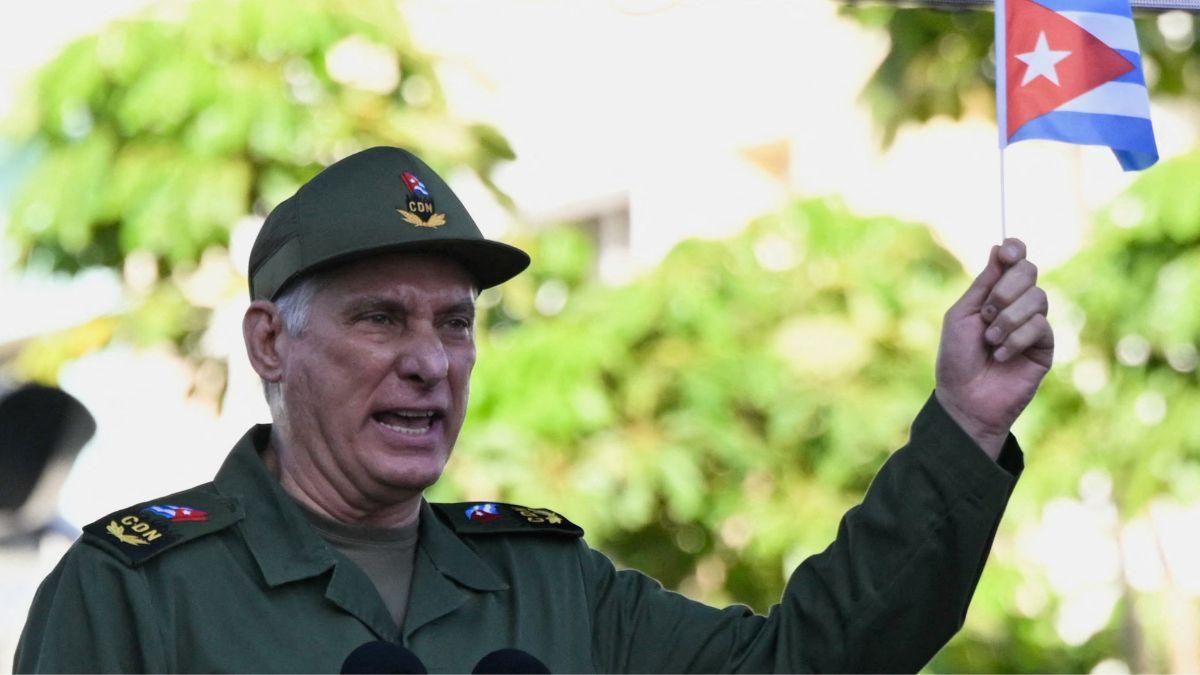
In a statement to USA TODAY, a State Department spokesperson said the Trump administration remains committed to the release of “all political prisoners, including Alcántara and Osorbo.”
The USA TODAY report also says the Cuban government had “a small window to make a deal,” as described by “a source familiar with the discussion.”
The same USA TODAY account says a senior State Department delegation traveled to Cuba on April 10 for talks with the government, and that “It was the first time that a U.S. government plane had landed in Cuba since 2016.”
The Week frames the move as an ultimatum, saying “The United States has given an ultimatum to Cuba to release high-profile political prisoners in two weeks,” and it similarly ties the demand to the April 10 secret meeting.
The Week adds that “During the US delegation's visit to Cuba, officials held a separate meeting with former Cuban leader Raúl Castro's grandson,” reinforcing that multiple tracks were pursued during the same trip.
Sanctions, oil, and pressure
The ultimatum and the April 10 talks were presented against a backdrop of escalating U.S.-Cuba tensions described in the USA TODAY report.
USA TODAY says tensions “have been escalating between the U.S. and Havana for weeks,” and it links the escalation to Trump’s warning about “the potential for a hostile takeover.”
The report states that after capturing Venezuela’s leader in January, “the Trump administration tightened longstanding sanctions and oil shipments to Cuba as part of a broader campaign to force sweeping political changes on the communist-run island.”
It adds that Cuba is “Already mired in a severe economic crisis,” and that the “near-total blockade is pushing the country toward collapse.”
The Week similarly describes the pressure as a renewed push for regime change, saying “The Trump administration has tightened economic sanctions and throttled oil shipments to the island, signalling a renewed push for regime change.”
It also frames the situation as reaching “a breaking point,” citing “Nationwide blackouts and severe fuel shortages, intensified by a US oil blockade.”
The Week further says Trump has been working to remove Cuba’s leader, adding that “Trump has been working to remove Cuba's current leader, President Miguel Díaz-Canel.”
In the USA TODAY account, the State Department spokesperson’s messaging is tied to Trump’s public rhetoric, pointing to remarks at an April 17 rally that “a ‘new dawn for Cuba’ is coming” and urging the regime to stop “playing games as direct talks are occurring.”
Starlink and political demands
Beyond the prisoner-release deadline, the USA TODAY report says the U.S. proposed bringing “Starlink's high-speed internet services to Cuba” during the April 10 meeting.
“US imposed 2-week deadline during secret Cuba meeting WASHINGTON — The U”
The same account says U.S. officials told Havana that it needed to “enact reforms that will make Cuba's economy more competitive and attractive to foreign investment.”
USA TODAY also says the U.S. pushed for “compensation of Americans and American-owned businesses that had their property confiscated and a lifting of constraints on political freedoms.”
The Week describes the Starlink proposal in similar terms, stating “At the meeting, the US proposed to bring Starlink's high-speed internet services to Cuba,” and it ties the proposal to a broader set of demands about economic competitiveness and foreign investment.
The Week says Washington was pressing for prisoner releases “to promote human rights and democratic activism amid the island's economic crisis.”
It also provides a specific detail about Cuba’s response to pressure, saying “Cuba initiated the release of 2,010 inmates last month,” and it quotes the framing as a “humanitarian and sovereign gesture.”
The Week adds that “It is the second time this year that Cuba has announced a prisoner release,” and it says “In March, 51 prisoners were set free after talks with the Vatican.”
It further states that “In 2025, Cuba released 553 people in a deal brokered by the Vatican and the US.”
The USA TODAY report, meanwhile, emphasizes that the U.S. is pursuing a diplomatic solution but sets a boundary, saying Trump “will not let allow the island to collapse into what he views as a major national security threat.”
Backchannel letter and security posture
The USA TODAY report adds that after the April 10 meeting, a separate backchannel unfolded involving Raul Castro’s grandson.
It says that “It was after that meeting that Castro's grandson, Raúl Guillermo Rodríguez Castro, tapped a Cuban businessman to personally bring a letter to the White House, bypassing official channels.”
The report identifies the businessman as “Roberto Carlos Chamizo González,” and it says he “was intercepted in Miami, as first reported by the Wall Street Journal.”
USA TODAY also situates the episode within a broader pattern of rising U.S. readiness, stating that “USA TODAY reported on April 15 that military planning for a possible Pentagon-led operation in Cuba was quietly ramping up, in case Trump gives the order to intervene.”
It further says “A U.S. military surveillance drone was later spotted flying near Cuba.”
The USA TODAY report then quotes Trump’s response when asked about Pentagon planning on Air Force One on April 17, saying Trump told a reporter on April 17: “Well, it depends on what your definition of military action is.”
The Week’s account emphasizes the political stakes and the pressure campaign rather than the interception, but it still frames the situation as the “highest level of tension between the two nations in decades.”
Taken together, the USA TODAY details show both diplomatic messaging and parallel security actions, with the backchannel letter and the intercepted businessman occurring after the prisoner ultimatum was delivered.
How outlets frame the stakes
While both USA TODAY and The Week describe the same core April 10 secret meeting and the two-week deadline, they emphasize different aspects of the pressure campaign.
“US imposed 2-week deadline during secret Cuba meeting WASHINGTON — The U”
USA TODAY focuses on the mechanics of the ultimatum and the diplomatic package, including the State Department spokesperson’s statement that the Trump administration remains committed to “the release of all political prisoners, including Alcántara and Osorbo,” and it highlights the U.S. proposal of “Starlink's high-speed internet services to Cuba.”
The Week, by contrast, frames the episode as a broader contest over regime change and human rights, saying the U.S. has given an ultimatum “to release high-profile political prisoners in two weeks” and describing “Washington is pressing for the release of Cuban political prisoners to promote human rights and democratic activism.”
The Week also foregrounds Cuba’s prisoner-release actions under pressure, including “Cuba initiated the release of 2,010 inmates last month” and the earlier “51 prisoners” freed after talks with the Vatican.
USA TODAY does not include those specific figures in its account, but it does describe the U.S. view of urgency, saying the officials told Cuba “the island's economy is in free fall” and that “its ruling elites had a narrow window to make reforms before circumstances irreversibly worsen.”
Both outlets mention the April 10 meeting’s unusual nature, with USA TODAY stating “It was the first time that a U.S. government plane had landed in Cuba since 2016,” while The Week similarly notes “Since 2016, it was the first time that a US government plane had landed in Cuba.”
The Week also adds a specific claim about the highest level of tension, saying Trump warning of “a possible hostile takeover” marked “the highest level of tension between the two nations in decades,” while USA TODAY ties the same warning to escalating tensions “for weeks.”
The difference in emphasis—USA TODAY’s detailed diplomatic and security timeline versus The Week’s broader stakes framing—shows how the same event can be presented as both a negotiation and a pressure campaign.
More on USA
Donald Trump Says US Navy Disabled And Seized Iranian-Flagged Ship Touska In Gulf Of Oman
13 sources compared

Reuters/Ipsos Poll Finds 36% Approve Trump’s Job Performance Amid Iran War And Pope Feud
10 sources compared
Donald Trump Urges Iran To Release Eight Women Facing Execution Ahead Of Talks In Islamabad, Pakistan
12 sources compared
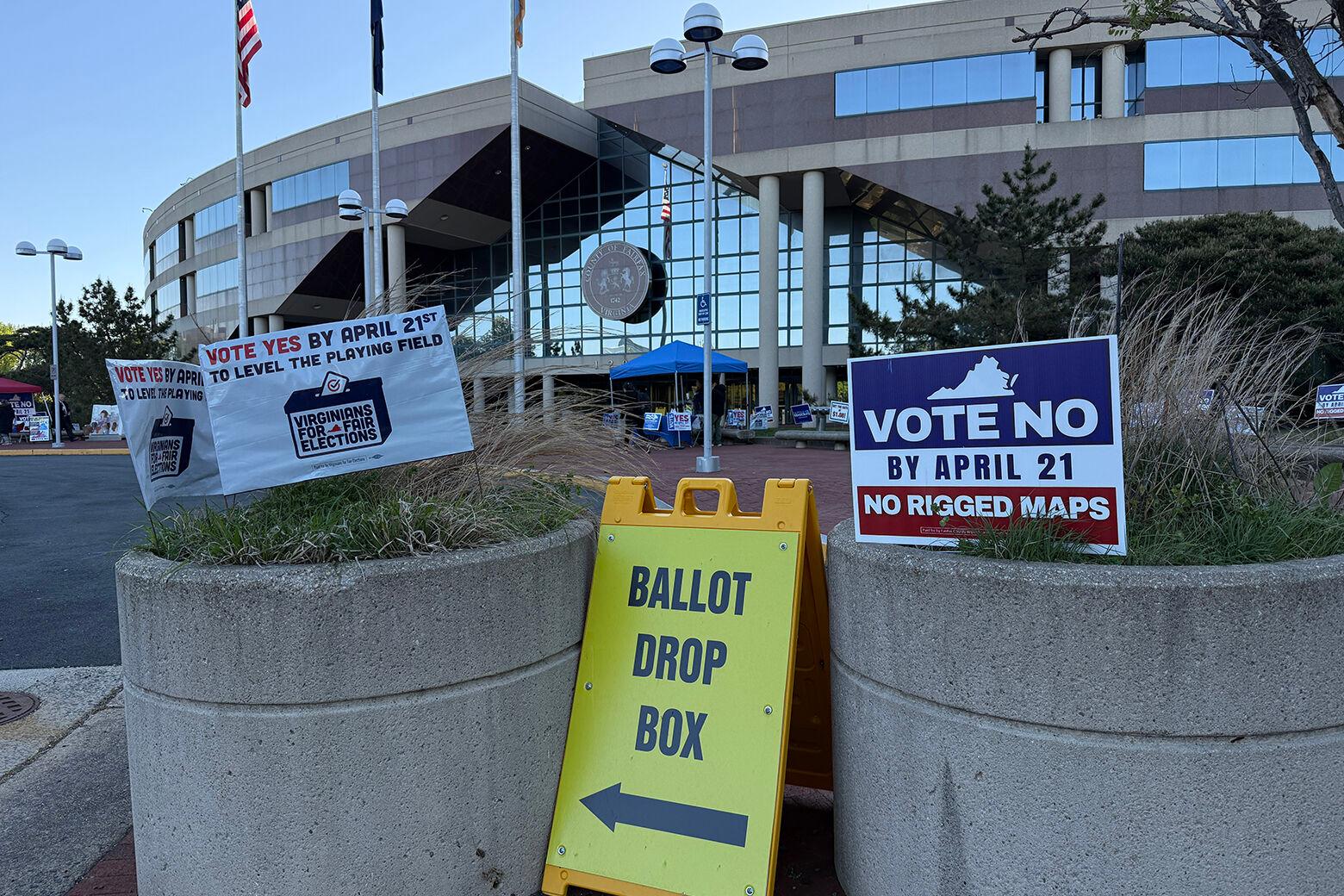
Virginia Voters Decide Tuesday On Redistricting Referendum That Could Boost Democrats’ House Seats
30 sources compared