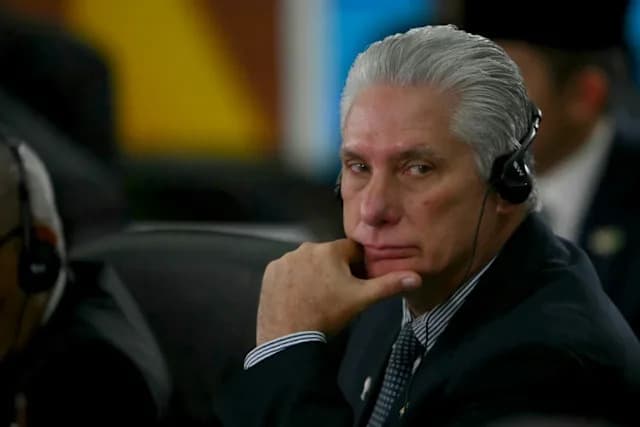
US Imposes Visa Sanctions on Cuban President Miguel Díaz-Canel for Regime Brutality
U.S. visa restrictions on Cuba
The United States announced visa restrictions targeting Cuban President Miguel Díaz-Canel and several senior Cuban officials, marking the first time Washington has singled out Díaz-Canel with such measures.
“_______________ Washington, US | AFP The United States on Friday announced for the first time sanctions against Cuban President Miguel Diaz-Canel for his role "in the Cuban regime's brutality toward the Cuban people”
The designation explicitly names Defence Minister Álvaro López Miera and Interior Minister Lázaro Alberto Álvarez Casas among those affected, signalling a direct U.S. response to alleged regime brutality.
This action frames the sanctions as a personal-level pressure tool aimed at the Cuban leadership rather than broad economic sanctions on Cuba as a whole.
U.S. financial restrictions on Cuba
Alongside the visa restrictions, the State Department added Havana’s new Torre K hotel to a restricted list intended to block U.S. dollars from flowing to the regime.
U.S. officials presented the move as a financial-restriction measure targeting assets and revenue streams linked to the government, indicating an effort to limit hard-currency income that could benefit insiders.
The designation of a luxury property underscores the administration’s focus on financial levers as part of its response toolkit.
Torre K designation debate
Critics cited by the report say the Torre K designation highlights a contrast between reported elite spending and the everyday shortages many Cubans face, including lack of food, water, medicine and electricity.
“_______________ Washington, US | AFP The United States on Friday announced for the first time sanctions against Cuban President Miguel Diaz-Canel for his role "in the Cuban regime's brutality toward the Cuban people”
Advocates frame the action not only as punitive against officials but as an attempt to spotlight and pressure the regime’s economic priorities.
A NewVision piece frames these financial restrictions as part of a broader critique of government priorities amid domestic hardship.
Reactions to Cuba dispute
U.S. lawmakers and Cuban officials reacted strongly.
Senator Marco Rubio publicly accused the Cuban government of torturing dissident José Daniel Ferrer, demanded proof of life, and called for the release of political prisoners.
Cuban Foreign Minister Bruno Rodríguez condemned the U.S. measures.
The opposing responses illustrate a polarized international and domestic debate over the appropriate response to alleged repression in Cuba.
U.S. measures tied to anniversary
The timing of the announcements coincided with the fourth anniversary of the large July 2021 anti-government protests in Cuba, events during which hundreds were arrested, a context the report highlights to explain why the U.S. framed the measures as responses to ongoing repression.
“_______________ Washington, US | AFP The United States on Friday announced for the first time sanctions against Cuban President Miguel Diaz-Canel for his role "in the Cuban regime's brutality toward the Cuban people”
The anniversary framing links the visa and financial restrictions to a longer-standing record of unrest and international scrutiny over Cuba's treatment of dissidents.
Key Takeaways
- United States sanctioned Cuban President Miguel Diaz-Canel for his role in regime brutality
- US State Department is restricting visas for Diaz-Canel and other high-ranking Cuban officials
- Secretary of State Marco Rubio posted the visa restrictions on X on the fourth anniversary
More on Other

Cuban Border Guards Shoot Dead Occupants of Florida-Registered Speedboat; Reports Vary on Death Toll
73 sources compared

Settler Shoots Dead 19-Year-Old Palestinian-American in Mukhmas, West Bank
14 sources compared
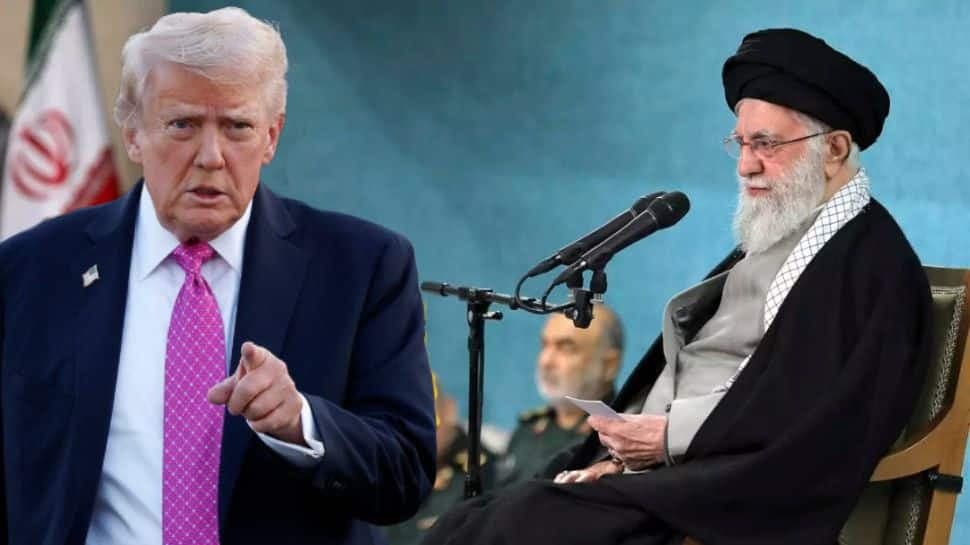
Iran Offers Compromise on Nuclear Deal If US Lifts Sanctions
22 sources compared
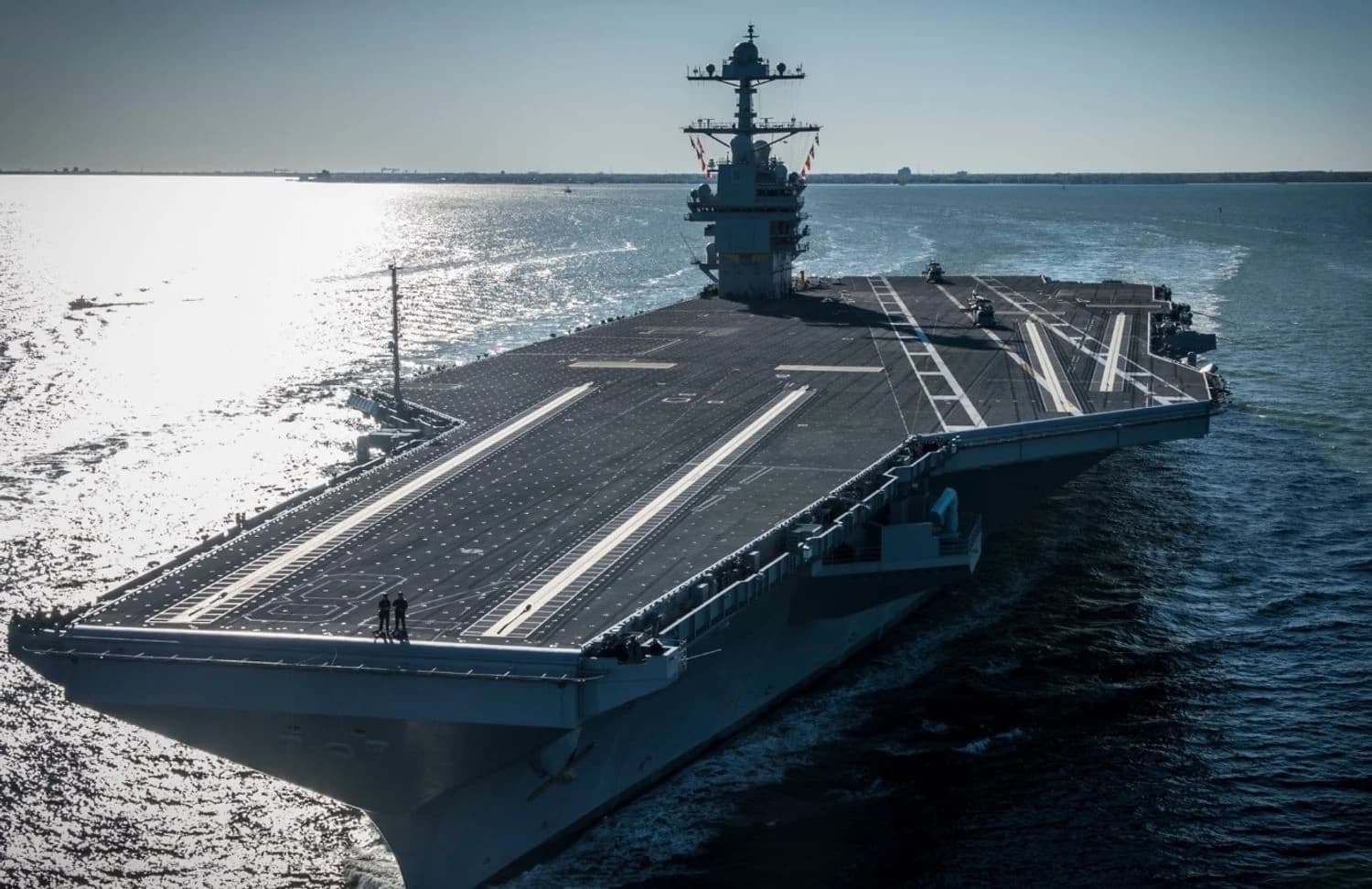
Donald Trump Sends USS Gerald R Ford to Middle East as Tensions With Iran Grow
102 sources compared