USA22 May, 20263 min read
U.S. Indicts Raúl Castro Over 1996 Brothers To The Rescue Shootdown Deaths
This article is an automated aggregation of coverage from news outlets. Our editorials offer in-depth analysis curated by the NewsCord team.
DOJ indictment accuses Raúl Castro of murder and conspiracy in the 1996 shootdown. Indictment fuels fears of possible U.S. invasion of Cuba.
Indictment and accusations
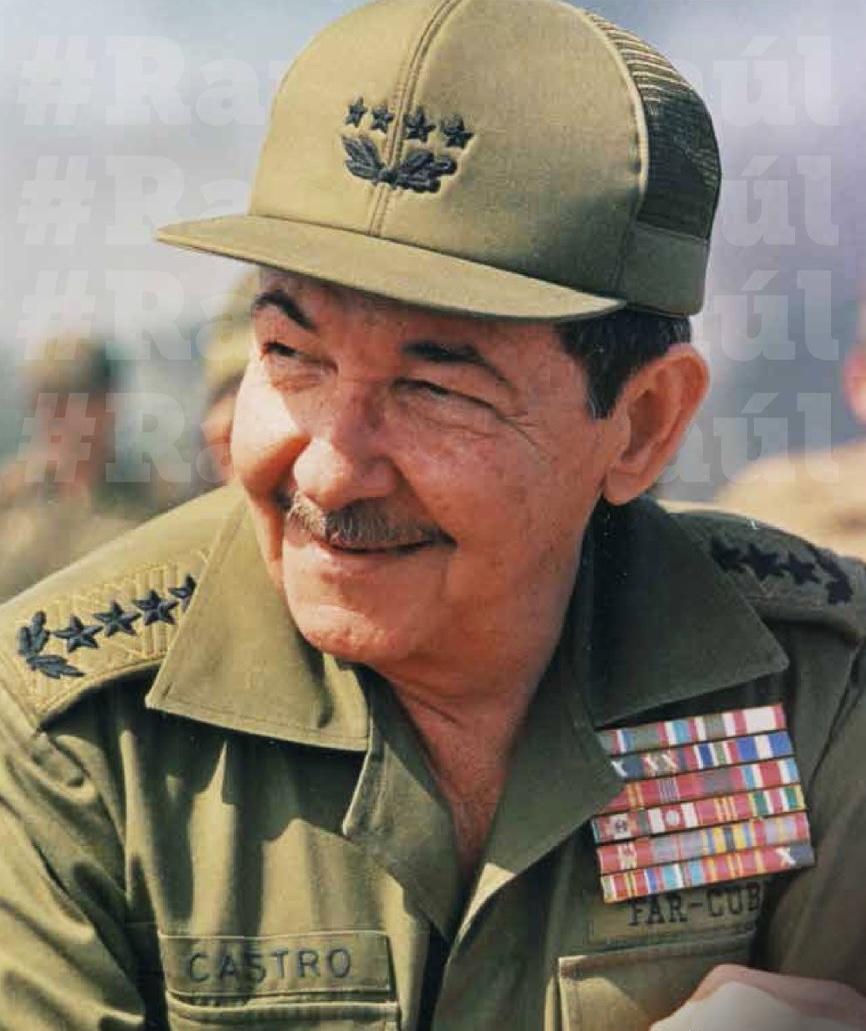
On May 20, the U.S. Department of Justice indicted former Cuban President Raúl Castro and previous Cuban government and military leaders over charges tied to the February 1996 shooting down of planes belonging to the American group Brothers to the Rescue (BTTR).
FBI Director Kash Patel said when the indictments were unsealed that "For the first time in nearly 70 years, senior leadership of the Cuban regime has been charged in the United States for alleged acts of violence resulting in the deaths of American citizens," while the charges include conspiracy to kill U.S. nationals, destruction of a U.S. aircraft and four individual counts of murder.

Cuban President Miguel Diaz-Canel rejected the indictment on X, writing, "The U.S. lies and distorts the events surrounding the downing of the planes belonging to the narco-terrorist organization Brothers to the Rescue in 1996."
The Washington Informer said Cuban diplomats condemned the indictment and argued the shootdown was self-defense after BTTR committed a series of airspace violations despite being warned numerous times by the Cuban government and intermediaries.
The Washington Informer also said the pilots failed to cooperate, which led to the deaths of Carlos Costa, Armando Alejandre Jr., Mario de la Peña and Pablo Morales.
War fears and preparations
The Los Angeles Times reported that Cuba told its citizens to prepare for war as the U.S. targets Castro, describing how an aircraft carrier off Cuba, expanded sanctions and the murder indictment of Raúl Castro intensified fears in Washington. Secretary of State Marco Rubio told reporters that the likelihood of a "negotiated and peaceful agreement" with Cuba’s communist government is "not high," as the Trump administration ratcheted up pressure amid an oil blockade that has triggered widespread blackouts on the island. Cuba’s deputy foreign minister Carlos Fernández de Cossío said, "We would be naive" not to harden its defenses, while Cuba circulated a “Family Guide for Protection Against Military Aggression” instructing families to pack survival kits and seek shelter if they hear air raid sirens.
The Los Angeles Times said an April shipment of crude, one of the only oil deliveries this year, has been exhausted, and Cuba’s minister of energy and mines said the country lacks fuel to power its antiquated electrical grid and is relying on domestic oil and solar panels. The Hill reported Russia promised “active support” for Cuba and cited Russian Foreign Ministry spokesperson Maria Zakharova saying, "We reaffirm our full solidarity with Cuba," as she condemned U.S. “unilateral restrictive measures” and threats toward Havana.

Sanctions, fuel strain, and next steps
The Washington Informer said the fuel blockade established by United States President Donald Trump and his administration exacerbated Cuba’s suffering under a 60-year embargo, and it linked the BTTR charges to a broader pattern of U.S. intervention. It also said the embargo-strengthening 1996 Helms-Burton Act remains intact and that an energy-crisis-inducing fuel blockade enacted in January by Executive Order 14380 allowed the U.S. to impose further tariffs on imports into the nation from countries that supply Cuba with oil. The Hill reported that Cuba is heavily dependent on Venezuelan oil, but that supply was cut off after a U.S. military operation resulted in the capture of President Nicolás Maduro and his wife in January, leaving only one shipment of oil since then.
The Hill added that rolling blackouts have become more frequent in Havana, sometimes lasting up to 22 hours a day, and it said the Trump administration has embarked on a “maximum pressure” campaign against the Cuban government. Al-Jazeera Net framed the stakes around the “drums of war” and said Cuban President Miguel Díaz-Canel warned last Monday that any American military action against his country would lead to a massacre with consequences for peace and stability in the region that are far-reaching.