Iran · 04 May, 2026 · 6 min read
US Intelligence Says Strikes on Iran Have Not Slowed Nuclear Weapon Timeline
US intelligence indicates limited new damage to Iran's nuclear program; timeline unchanged. Analysts say Iran could still produce enough enriched uranium for a bomb within 3–6 months.
Whether US/Israeli strikes substantially reduced Iran’s nuclear-weapon timeline.
10 of 11 outlets skipped it: US Director of National Intelligence Tulsi Gabbard declined to disclose whether Iran’s nuclear program posed an imminent threat; she also deleted a sentence from written notes..
The Jerusalem Post was read line by line by the Watchdog: 4.0. See the score →
14outlets compared
Same story, two versions
tap a side to read it in full
Politics Today
“While Israelhas conducted strikes on some nuclear-related facilities, American forces have largely targeted conventional military infrastructure, including air defenses, weapons production sites and elements of Iran’s defense-industrial base.”Read the original ↗
ΜΜілітарний
“US strikes mainly targeted military sites, while Israel separately attacked Iran’s nuclear infrastructure.”Read the original ↗
Most stories converge on the same targeting logic, but these examples show the shared explanation: airpower that disrupts conventional defenses may not remove or relocate HEU, so weaponization timelines remain stable.
Timeline after strikes
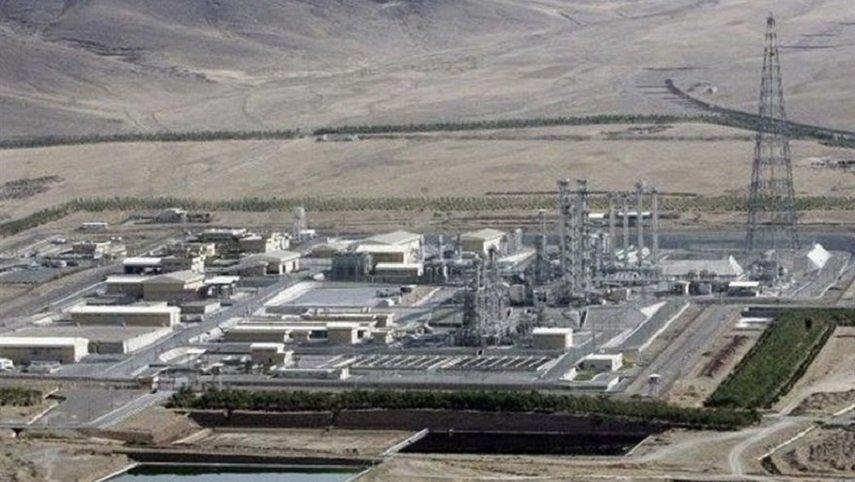
U.S. intelligence assessments, as reported by Reuters and echoed across multiple outlets, say that recent U.S. and Israeli strikes on Iran have not slowed the timeline Tehran would need to develop nuclear weapons.
“even before the 12-day war in June 2025, US intelligence estimated that Iran could likely produce enough enriched uranium for a nuclear weapon within about 3–6 months”
Reuters, citing sources familiar with the assessments, says that even before the 12-day war in June 2025, U.S. intelligence estimated Iran could likely produce enough enriched uranium for a nuclear weapon within about 3–6 months.
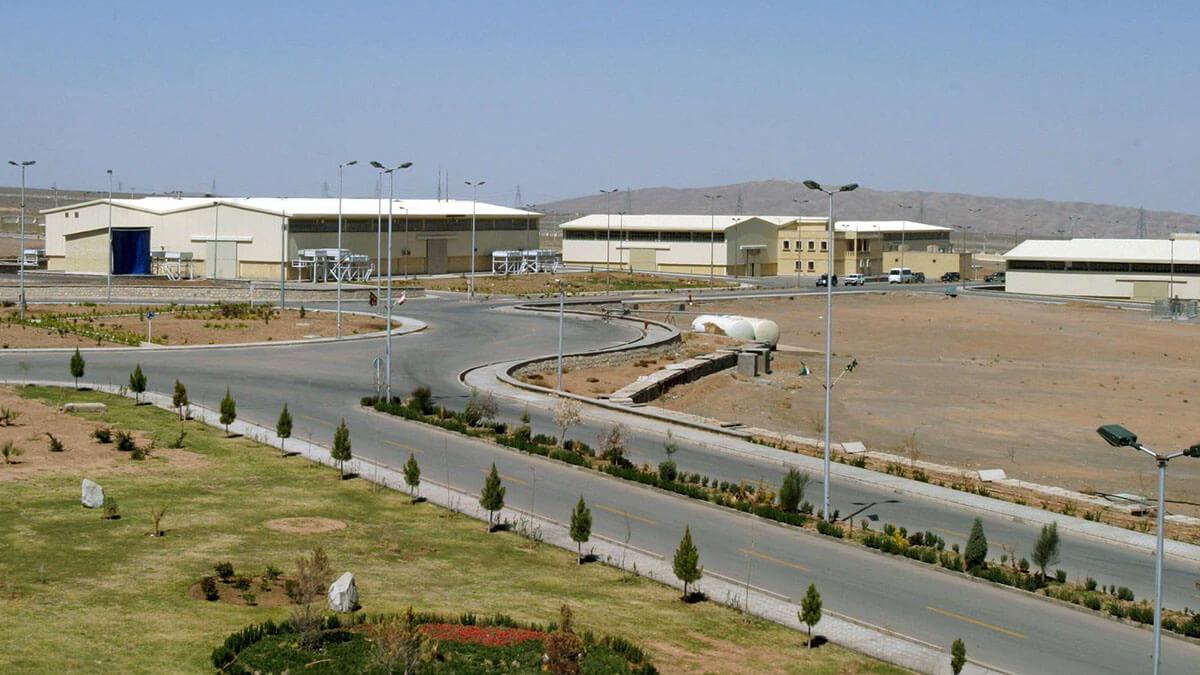
After U.S. strikes on Iranian nuclear facilities in Natanz, Fordow, and Isfahan, that timeline was previously estimated to be roughly 9–12 months.
The Reuters reporting then says that after two months of new strikes on Iran, launched by the United States and Israel at the end of February 2026, the timeline has remained unchanged.
In the same Reuters account, the unchanged timeline is tied to the idea that significantly slowing Tehran’s nuclear program may require destroying or removing Iran’s existing stockpiles of highly enriched uranium.
Another Reuters-sourced report says the time Iran would need to build a nuclear weapon has not changed since last summer, when analysts estimated a U.S.-Israeli attack pushed the timeline back to up to a year.
The reporting also frames the latest campaign as focusing mainly on conventional military targets, while Israel separately attacked Iran’s nuclear infrastructure, but says these efforts did not achieve the intended results.
What intelligence says remains
Across the Reuters-based reporting, the stability of the nuclear timeline is repeatedly linked to what intelligence believes is still intact and where it may be stored.
Reuters says the unchanged timeline suggests slowing Tehran’s nuclear program may require destroying or removing Iran’s existing stockpiles of highly enriched uranium.
Another Reuters-sourced report specifies that the IAEA has reported an inability to verify the location of approximately 440 kilograms of uranium enriched to 60% purity, and it adds that analysts warn this quantity, if further processed, would be sufficient to manufacture 10 nuclear warheads.
The same Reuters-based reporting says the IAEA believes roughly half of the uranium was stored in an underground tunnel complex at the Isfahan Nuclear Research Center, but it has been unable to confirm this since inspections were suspended.
Reuters also quotes Eric Brewer, a former senior U.S. intelligence analyst who led assessments of Iran's nuclear program, saying, "Iran still possesses all of its nuclear material, as far as we know," and adding that the material is likely located in deeply buried underground sites where U.S. munitions can't penetrate.
VOA Farsi, also citing Reuters, similarly says the IAEA has not yet confirmed the location of about 440 kilograms of 60% enriched uranium and that it is estimated about half is stored in a network of underground tunnels at Isfahan.
The same VOA Farsi reporting says the agency assessed that these reserves, if further enriched, would be sufficient to produce about 10 nuclear weapons, reinforcing the idea that the material base is the limiting factor for any timeline shift.
Officials, truce, and objectives
The reporting also places the intelligence assessments inside a broader political and military framework that includes stated U.S. objectives and a ceasefire.
“A ceasefire that has been in place since 8 April”
Atalayar says the United States continues to demand the handover of Iran’s enriched uranium and frames this as a key element in the production of nuclear weapons, while also stating that mediation by Saudi Arabia, Turkey and Pakistan has failed to halt the current war.
Atalayar further says a ceasefire has been in place since 8 April, primarily focused on halting military attacks against Iran, although partial blockades of certain vessels persist in the Strait of Hormuz.
The same Atalayar account says the actions in the Strait of Hormuz create economic difficulties because maritime trade accounts for 90% of the nation’s commercial exchanges and because action on this sea route, which accounts for 20% of global oil trade, is what is causing a major global economic crisis.
In parallel, Reuters-based reporting quotes White House spokeswoman Olivia Wales describing the campaign as building on earlier strikes, saying, "While Operation Midnight Hammer obliterated Iran's nuclear facilities, Operation Epic Fury built on this success by decimating Iran's defense industrial base".
Reuters-based reporting also includes Vice President JD Vance’s statement on X: "Iran can never be allowed to obtain a nuclear weapon. That is the goal of this operation."
Another Reuters-based report says Secretary of Defense Pete Hegseth has said publicly that the U.S. aims to ensure Iran does not obtain a nuclear weapon through ongoing negotiations.
Disagreement inside narratives
Several outlets describe a gap between public claims of decisive damage and the intelligence assessments that say the nuclear timeline is largely unchanged.
The ANA News Agency report, based on exclusive Reuters reporting, says assessments by U.S. intelligence agencies indicate that the recent two-month war and the attacks by the United States and Israel have not inflicted any new, decisive damage on Iran's nuclear facilities.
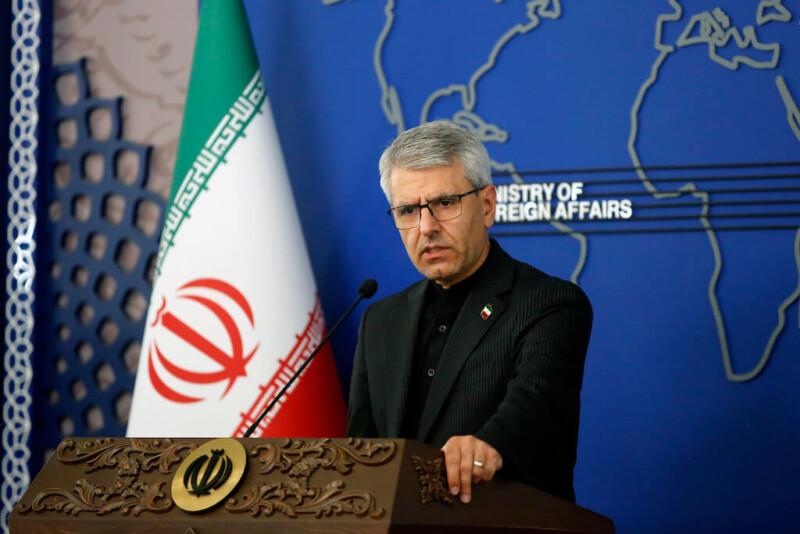
It contrasts that with public statements by White House officials, saying the White House has described military operations under names such as "Midnight Hammer" and "Epic Fury" as decisive blows to Iran's nuclear program.
The ANA report also quotes intelligence analysts stressing, "Iran still retains all of its nuclear materials," while noting that U.S. officials have declared "stopping Iran's nuclear program" as one of the war's main objectives.
The same Reuters-based reporting appears in multiple places, including Türkiye Today, which says the unchanged estimates reflect in part the focus of the latest U.S. and Israeli military campaign on conventional military capabilities, Iran's leadership and its military-industrial base.
Türkiye Today also includes a quote from Eric Brewer that, "That material is probably located in deeply buried underground sites where U.S. munitions can't penetrate," reinforcing why strikes may not change the timeline.
In addition, the Middle East News report says the damage inflicted on Iran's nuclear program is limited and attributes the unchanged timeline to the need to destroy or transfer the remaining stockpile of highly enriched uranium.
Stakes and next options
The stakes described in the reporting center on what policymakers may do next if airstrikes have not shifted the nuclear timeline.
“In recent weeks, US officials have been considering options for risky operations that could substantially halt Iran’s nuclear program. These options include ground raids.”
Reuters-based reporting says the unchanged timeline suggests significantly slowing Tehran’s nuclear program may require destroying or removing Iran’s existing stockpiles of highly enriched uranium, and it notes that in recent weeks U.S. officials have been considering options for risky operations that could substantially halt Iran’s nuclear program, including ground raids.
Türkiye Today similarly says that in recent weeks, U.S. officials have contemplated options to significantly impede Iran's nuclear efforts, including ground raids to retrieve the highly enriched uranium (HEU) believed to be stored in the tunnel complex at the Isfahan site.
VOA Farsi says U.S. officials have discussed options including a ground operation to access these stockpiles, though such actions are considered to carry significant risks.
The reporting also highlights that even if physical infrastructure is damaged, the underlying material and expertise may remain accessible, with Türkiye Today quoting Eric Brewer that Iran still possesses all of its nuclear material and that it is likely located in deeply buried underground sites.
The Carnegie Endowment analysis adds a different dimension by describing how Tehran may view Strait of Hormuz disruption as deterrence and says the war may have curtailed IAEA access while leaving large stockpiles of enriched uranium in the country.
In parallel, the political reporting from Iran International says Mohammad-Baqer Qalibaf wrote on X that "the security of shipping and energy transit is in the hands of the United States and its allies" and that by violating the ceasefire and imposing a blockade their misdeeds would be diminished.