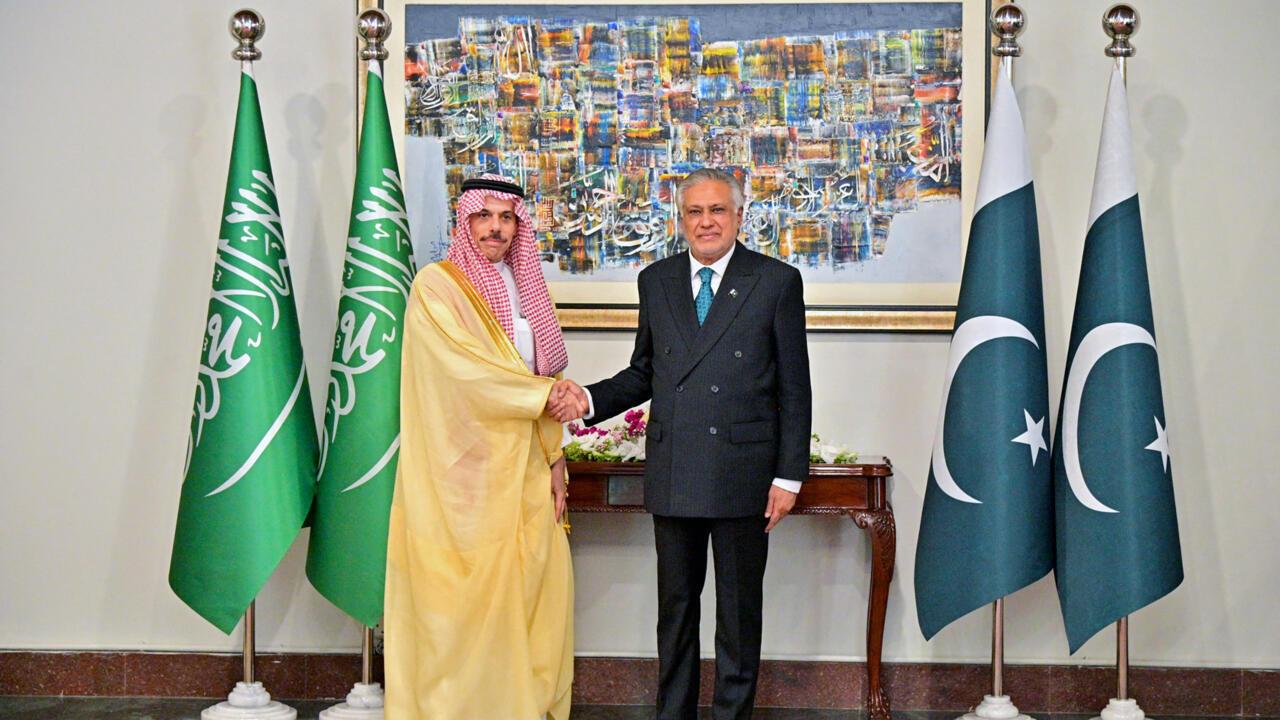
Iran Foreign Minister Abbas Araghchi Travels to Beijing for Talks With China
Key Takeaways
- Araghchi travels to Beijing for high-level talks with Wang Yi.
- Talks will cover bilateral ties and regional and international developments.
- Araghchi's Pakistan talks illustrate Tehran's broader diplomatic outreach.
Diplomacy and the Hormuz standoff
Iran’s top diplomat, Foreign Minister Abbas Araghchi, is set to travel to Beijing on Tuesday for high-level talks with his Chinese counterpart on bilateral ties and regional developments, according to a brief statement by the Iranian Foreign Ministry carried by PressTV.
“China remains committed to the upcoming meeting between its leader Xi Jinping and US President Donald Trump regardless of the situation in the Middle East, and cautiously views its adversary’s months-long conflict with Iran as having potentially strengthened its negotiating position, according to Chinese sources familiar with the matter”
The visit is described as part of Tehran’s broader diplomatic outreach to key partners, with Araghchi’s agenda including “mutual cooperation as well as regional and international issues.”

PressTV says the trip to China follows Araghchi’s travel to Russia last Monday as part of a broader diplomatic tour that also included Pakistan and Oman.
During the Moscow visit, PressTV reports that Araghchi held talks with President Vladimir Putin, alongside meetings with his Russian counterpart.
PressTV also links the diplomatic push to the Strait of Hormuz, saying Iran “closed the strategic Strait of Hormuz to adversary nations and their allies” after the commencement of US-Israeli aggression against Iran on February 28.
In the same account, PressTV says the aggression “resulted in the assassination of the Leader of the Islamic Revolution, Ayatollah Seyyed Ali Khamenei, and several senior military commanders.”
The report further says China blocks US sanctions on refineries buying Iranian oil, and it places the diplomatic outreach alongside Tehran’s claims of control over the strait and denial of passage to vessels belonging to the US and its allies.
Ceasefire, blockade, and competing narratives
The diplomatic moves around Iran’s regional posture are unfolding alongside a ceasefire and a continuing blockade described differently across the sources.
PressTV says that on April 8, “forty days into the war, a temporary Pakistan-brokered ceasefire came into effect,” and it adds that negotiations in Islamabad failed to produce an agreement amid “maximalist demands and intransigent positions from the United States.”

PressTV also says the US has imposed a blockade on Iranian ports, which Tehran slams as illegal and in violation of the ceasefire terms, and it asserts that Iran has responded by asserting control over the Strait of Hormuz and denying passage to vessels belonging to the US and its allies.
TRT World, in a separate account, quotes US Treasury Secretary Scott Bessent urging China to convince Iran to lift its Hormuz blockade, saying, “China, let's see them step up with some diplomacy and get the Iranians to open the strait.”
TRT World also frames the US position as operational control, saying Bessent insisted that the United States is “fully in control of the Strait of Hormuz through its blockade of Iranian shipping.”
In the same TRT World report, Bessent says the US is “opening that up” by maintaining a blockade of Iranian ports, and he adds, “They (Iran) are trying to cut off international freedom of navigation through the Strait of Hormuz, and the US is opening that up.”
The TRT World account also describes economic effects in the United States, citing that the average cost of a gallon of regular gasoline was $4.46 as of Monday morning, compared with $2.98 on February 26 before the war.
US lawmakers and Chinese diplomacy
US political figures and shaping the trajectory of the Iran file are presented as centering on the Strait of Hormuz and the timing of US-China engagement.
“Iranian Foreign Minister Abbas Araghchi will travel to Beijing on Tuesday for high-level talks with his Chinese counterpart on bilateral ties and regional developments”
In a segment carried by Senator Bill Hagerty (.gov), the US senator says on Fox & Friends that the “carrier strike groups that are there” mean the US is “fully armed and ready to go,” and he argues that “Time is on our side in this one.”
Hagerty also says, “The Iranians had an opportunity with the ceasefire,” and he asserts that “We’re ready to see this come to an end,” while adding that “There will not be a nuclear weapon, and a nuclear-armed Iran.”
He further ties the dispute to economic leverage, saying, “We’re not going to allow them to continue to hold the entire world’s economy hostage either.”
On the Chinese side, Boabita News Today (بوابة اخبار اليوم) describes an intensive diplomatic campaign by Chinese Foreign Minister Wang Yi, including telephone conversations with counterparts in Iran, Pakistan, Egypt, and Turkey.
In that report, Wang Yi tells Araghchi in a call on Tuesday, March 24, that “all hot-button issues must be resolved through dialogue and negotiation, not by the use of force,” and it quotes Wang saying, “dialogue is always better than continuing the fighting.”
The same source says Araghchi thanked China for providing “urgent humanitarian assistance” and stressed that Iran is committed to achieving “a comprehensive end to the war, not merely a temporary ceasefire.”
China, Trump, and the summit calculus
Multiple sources connect the Iran war to the upcoming US-China summit and portray China’s approach as cautious and strategic, while also highlighting how the Strait of Hormuz could affect the talks.
CNN reports that China remains committed to the upcoming meeting between Xi Jinping and US President Donald Trump regardless of the situation in the Middle East, and it says Chinese sources view the months-long conflict with Iran as potentially strengthening Beijing’s negotiating position.
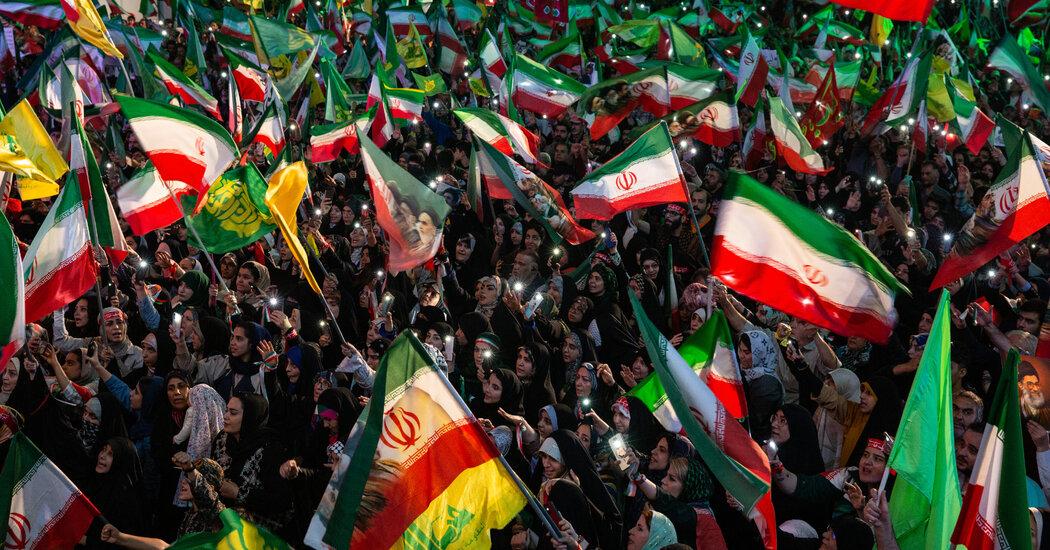
CNN says the rare in-person meeting is scheduled for May 14-15 according to the White House, and it quotes a Chinese source saying, “Trump’s time in office is likely to have a lasting impact on the world order and has already fundamentally altered how the US views its own interests.”
CNN also quotes Cui Hongjian, described as a former diplomat and an international affairs scholar at Beijing Foreign Studies University, saying, “China’s foreign policy has a basic standpoint: China-US relations are the top priority.”
The CNN report emphasizes the risk that the Strait of Hormuz may remain closed when Trump arrives in Beijing, stating that the prospect of the strait remaining closed is “not least” among the complications.
It also includes a warning from another Chinese source that if Trump attacks Iran after visiting China, it would appear as if China “has abandoned Iran,” quoting, “Of course, Trump would want to visit China after he’s finished with Iran, so he can project power … but if he were to attack Iran after visiting China, it would appear as if China has abandoned Iran.”
The New York Times frames China as seeking advantage with both Trump and Iran as the war evolves, saying China is prodding Iranian officials to negotiate while also allowing its companies to give Iran commercial support that could help Iran’s military.
Iran’s position and the next diplomatic steps
Iran’s official messaging in the sources rejects what it describes as predetermined negotiations while still presenting dialogue as acceptable under certain principles.
“War in theMiddle East Advertisement Supported by News Analysis With President Trump’s visit to Beijing looming, China is pushing Iran to negotiate even as its companies export material that could be used by Iran’s military”
In a statement carried by اعتمادآنلاین (اعتمادآنلاین | West Asian), Ambassador Abdollah Rahmani-Fazli says Iran “welcomes dialogue and diplomacy to build trust with other parties but opposes negotiations whose outcomes are predetermined and imposed,” and he adds that Iran “will never yield to the illegal demands of enemies.”

The same report says Rahmani-Fazli praised the army’s role in defending territorial integrity, safeguarding national security, and repelling foreign threats, and it quotes him saying, “history bears witness that Iran has never started any war against other countries.”
It also says Rahmani-Fazli refers to “the enemy's attack on military infrastructure including airports, bridges, and facilities” that led to the “martyrdom of more than three thousand civilians.”
The report then asserts that Iran agreed to negotiations with Pakistan as mediator but “upon observing the repetition of America's excessive demands in this round of negotiations, stood up to them.”
Other sources describe ongoing efforts to open channels for talks, including through Pakistan and Oman, with مونت كارلو الدولية saying Islamabad has launched an initiative that could lead to high-level talks “in the coming days.”
PressTV adds that Tehran has submitted proposals to Washington aimed at permanently resolving the war, but it says these have reportedly been rejected by the White House and that the White House has continued to issue military threats against Iran.
More on Iran
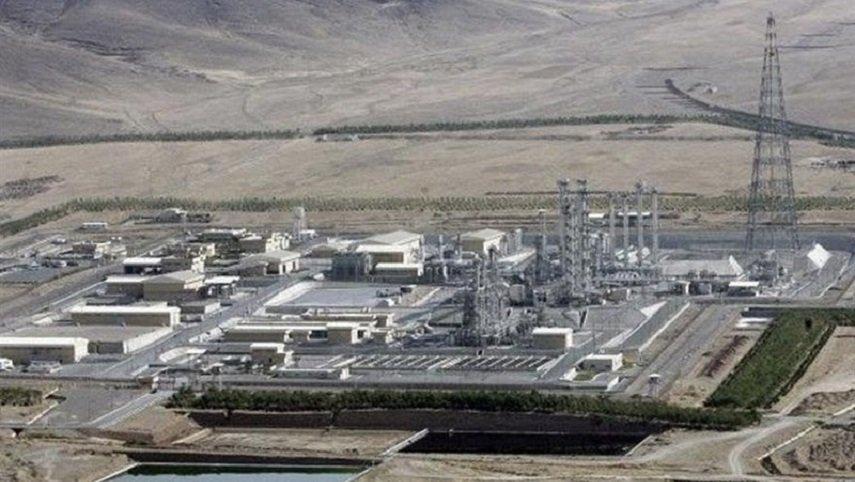
US Intelligence Says Strikes on Iran Have Not Slowed Nuclear Weapon Timeline
14 sources compared
UAE Accuses Iran of Missile And Drone Barrage That Injured Three Indians at Fujairah
35 sources compared

U.S. Sinks 7 Iranian Boats as Iran Launches Missiles and Drones at UAE
10 sources compared
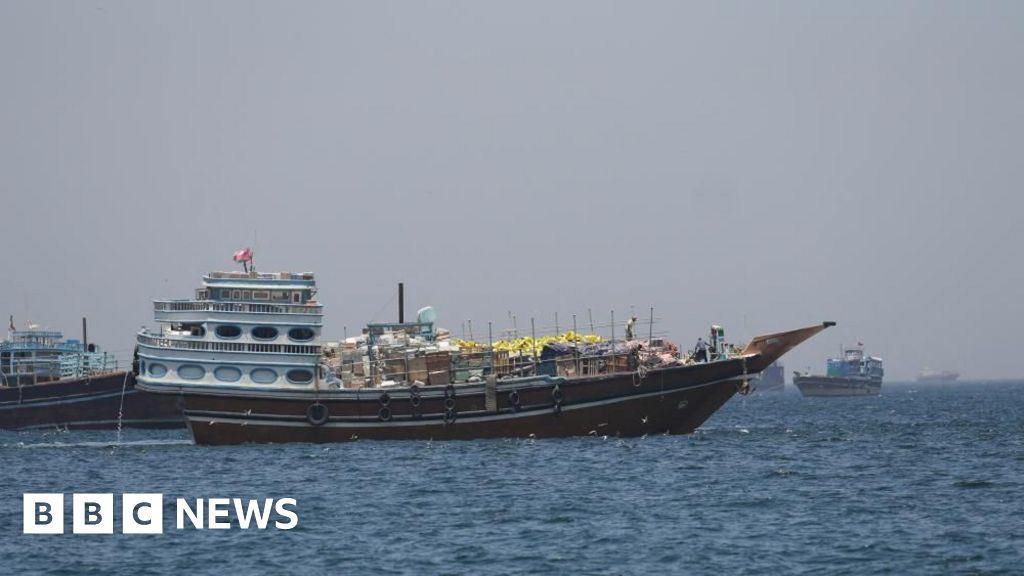
U.S. Launches Project Freedom to Reopen Strait of Hormuz After Iran Attacks UAE
21 sources compared