
USA · 04 May, 2026 · 8 min read
U.S. Sinks 7 Iranian Boats as Iran Launches Missiles and Drones at UAE
Iran launched missiles and drones at UAE and U.S.-flagged ships in the Strait of Hormuz. CENTCOM says no U.S. Navy ships were struck; forces engaged boats and drones.
Whether the ceasefire is over vs. continued/ongoing restraint while Project Freedom operates.
7 of 8 outlets skipped it: saudi Arabia called for de-escalation and condemned targeting civilian/economic facilities in the UAE..
BBC was read line by line by the Watchdog: 6.4. See the score →
10outlets compared
Same story, two versions
tap a side to read it in full
This directly affects escalation risk: if a warship was truly hit, it would imply combat damage and potential retaliation; if not, the event is more about information warfare and signaling.
Project Freedom and the Strait
The United States and Iran traded claims of attacks and counterattacks in the Strait of Hormuz as the U.S. moved to guide stranded ships through the waterway under President Donald Trump’s “Project Freedom.”
“Iran launched its first missile and drone attack on the United Arab Emirates since a ceasefire with the U.S. took effect on April 8”
CBS News reported that Iran launched its first missile and drone attack on the United Arab Emirates since a ceasefire with the U.S. took effect on April 8, and that it fired two drones at a ship in the Strait of Hormuz, with UAE authorities saying Monday that the U.S. military said two commercial vessels safely transited the key waterway Monday.
NBC News said Iran fired cruise missiles and drones and launched small boats to target U.S.-flagged ships in the Strait of Hormuz, but “no vessels have been hit and no one was injured,” according to the commander of U.S. Central Command.
NBC News also said the U.S. used attack helicopters to blow up the small boats and intercept the drones, citing Adm. Brad Cooper, who said U.S. Navy ships were protecting U.S. commercial vessels transiting the strait as part of Trump’s new mission.
The Times described Trump’s brief remarks at a small business summit at the White House, where he called it a “mini-war” and said, “they don’t have ships anymore.”
In parallel, the U.S. military publicly framed the operation as defensive and aimed at restoring commerce, with CENTCOM saying in a post that “No U.S. Navy ships have been struck” and that forces were “enforcing the naval blockade on Iranian ports.”
Ceasefire, missiles, and boats
The reporting described a volatile timeline around the April 8 ceasefire and the U.S. decision to begin guiding ships out of the Gulf.
CBS News said Iran launched its first missile and drone attack on the United Arab Emirates since the ceasefire took effect on April 8, and it noted that Iran also fired two drones at a ship in the Strait of Hormuz, with UAE authorities saying Monday that nobody was injured.
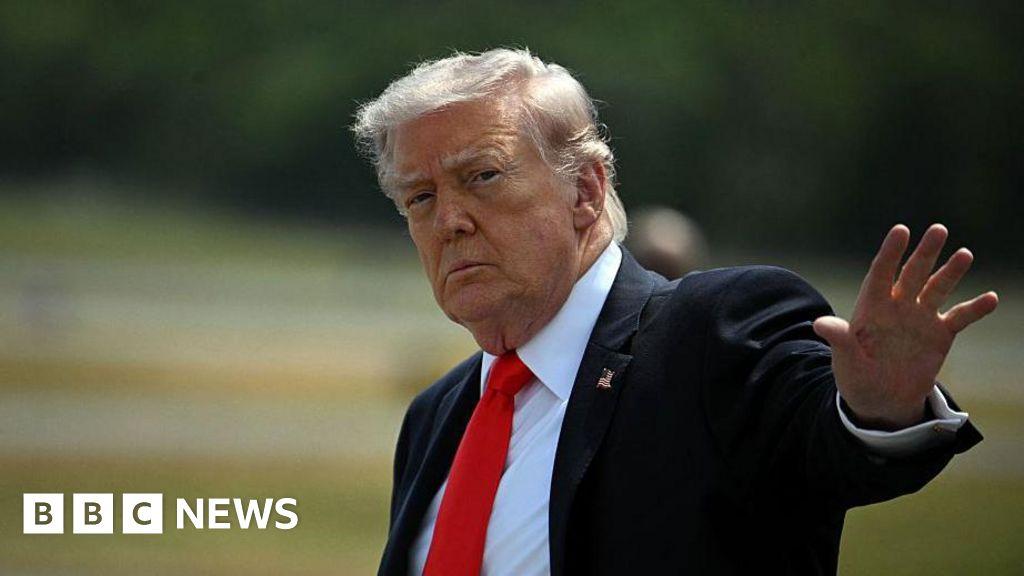
NBC News said Iran launched “multiple cruise missiles” at U.S.-flagged ships in the Strait and at the U.S. Navy ships protecting commercial vessels, while Iran claimed to have struck an American warship and Central Command said no ship was hit.
NBC News added that the United Arab Emirates ministry of defense said it had “engaged” 12 ballistic missiles, 3 cruise missiles and 4 drones fired from Iran, which resulted in 3 mild injuries, and it also said Iran claimed it had no plans to target the UAE.
The Times reported that a drone struck an oil port in the emirate of Fujairah, injuring three people, and that “several missiles were shot down over the sea,” according to the UAE defence ministry.
In a separate thread, CBS News described two U.S. Navy destroyers transiting the Strait of Hormuz and entering the Persian Gulf after navigating an Iranian barrage, naming the USS Truxtun and USS Mason and saying neither vessel was struck.
The Hill and BBC both described the U.S. denial of an Iranian claim that a warship had been hit, with The Hill quoting CENTCOM’s post that “No U.S. Navy ships have been struck,” and BBC saying the U.S. denied an Iranian media report that one of its warships was struck by Iranian missiles.
Trump, Cooper, and Araghchi
The U.S. and Iranian officials used sharply different language about the same events, with Trump portraying the situation as limited and defensive while Iran’s foreign minister framed it as proof of no military solution.
“I wouldn’t go into details of the whether the ceasefire is over or not”
NBC News quoted Adm. Brad Cooper saying, “I wouldn’t go into details of the whether the ceasefire is over or not,” and he added, “we’re merely there as a defensive force and enforce, to give a very thick layer of defense to commercial shipping to allow them to proceed out of the Arabian Gulf.”
CBS News reported that Iran’s foreign minister Abbas Araghchi said Monday talks with the U.S. are making progress but criticized the U.S. military’s Project Freedom, saying, “Events in Hormuz make clear that there's no military solution to a political crisis.”
CBS News also included Trump’s remarks at the White House, where he said, “Our country is booming now, despite the fact that we're in a — I call it a mini war,” and it quoted Trump’s weekend line that he’d likely reject Iran’s proposal because, “they have not paid a big enough price.”
The Times quoted Trump again, saying, “I call it a mini-war — they don’t have ships anymore,” and it also quoted Cooper’s X statement that “The IRGC on the other hand, is doing everything it can to terrorise and threaten commercial shipping.”
In the same reporting, CBS News said Saudi Arabia called for de-escalation, quoting the Saudi foreign ministry statement that “calls for the need to de-escalate,” and it said the ministry condemned Iranian targeting of civilian and economic facilities in the United Arab Emirates.
The Hill and BBC both described the U.S. denial of Iranian claims about a missile strike, with The Hill quoting CENTCOM’s “TRUTH: No U.S. Navy ships have been struck,” and BBC saying Centcom said “no US Navy ships have been struck” and forces were “enforcing the naval blockade on Iranian ports.”
Conflicting claims and denials
A central dispute in the reporting concerned whether Iran struck a U.S. warship, and multiple outlets described how quickly the narrative shifted between Iranian state-linked media and U.S. denials.
The Jerusalem Post said a US official confirmed to the outlet that Iran's navy did not hit a United States Navy ship near the Strait of Hormuz, and it said CENTCOM noted that two US-flagged ships successfully transited the Strait on Monday while Iran’s IRGC denied that claim.

CNBC and BBC both described CENTCOM’s denial in similar terms, with CNBC quoting CENTCOM: “No U.S. Navy ships have been struck,” and BBC saying Centcom said in a statement that “no US Navy ships have been struck” and forces were “enforcing the naval blockade on Iranian ports.”
The Hill described the same denial as a direct response to Iranian state media, quoting CENTCOM’s post that “CLAIM: Iranian state media claims that Iran’s Islamic Revolutionary Guard Corps hit a U.S. warship with two missiles,” followed by “TRUTH: No U.S. Navy ships have been struck.”
Meanwhile, Reuters-based reporting in gCaptain said Iran said it had forced a U.S. warship to turn back from entering the Strait of Hormuz on Monday, but a U.S. official denied a report that it had been struck by Iranian missiles, and it said Reuters could not independently verify the reports.
gCaptain also reported that Iran’s navy said it had prevented “American-Zionist” warships entering the Strait of Hormuz area by issuing a “swift and decisive warning,” while Iran’s semi-official Fars news agency said two missiles had hit the warship near the port of Jask.
InvestingLive described the same reversal, saying “a senior US official denied Iranian missiles hit a US warship,” after Fars News Agency reported “two missiles struck a US warship near Jask Island.”
Across the accounts, the U.S. continued to emphasize that merchant vessels transited successfully, with The Hill and BBC both citing CENTCOM’s later statement that two U.S.-flagged merchant vessels had successfully transited through the Strait of Hormuz.
Stranded ships and next steps
The reporting tied the immediate fighting and denials to a broader operational effort to move ships out of the Strait, while also describing how Iran’s posture could keep the standoff going.
“help free ships that have been “locked up” and unable to pass through the key trade route”
NBC News said Trump announced Sunday that beginning on Monday the U.S. military would help free ships that have been “locked up” and unable to pass through the key trade route amid the maritime standoff between Tehran and Washington, and it said Cooper would not address whether this meant the ceasefire that began April 8 was now over.
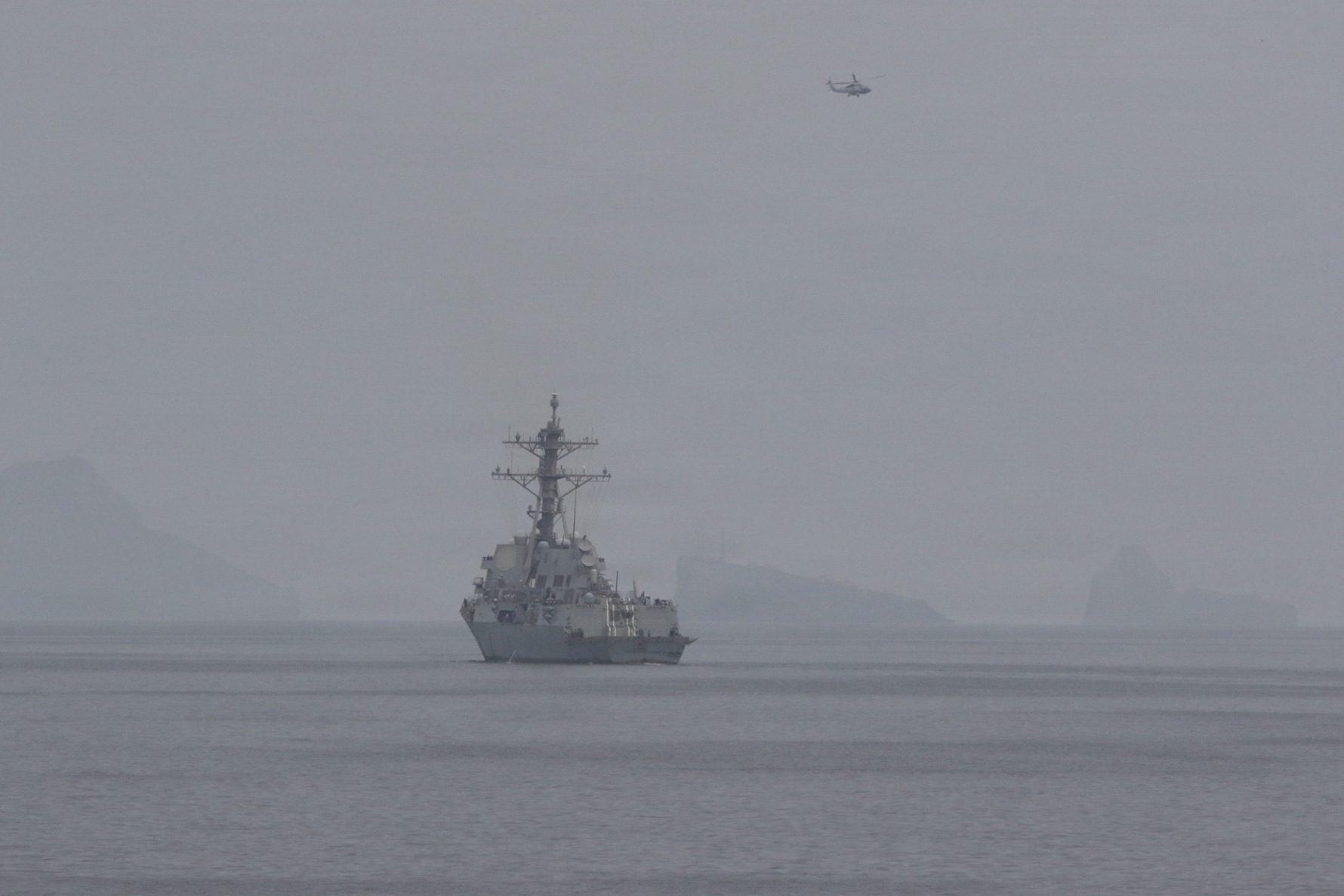
BBC said Trump said “Project Freedom” was a “humanitarian gesture” and that any interference would “be dealt with forcefully,” while also reporting that the ceasefire began on 8 April and that fuel prices rose globally as the closure left thousands of sailors stranded on some 2,000 ships trapped by the blockade.
BBC also reported that about 20% of the world’s oil and liquefied natural gas usually passes through the strait and that an estimated 20,000 sailors have been trapped in the Gulf since the start of the war with Iran.
Reuters-based gCaptain said Trump gave few details of the plan to aid ships and their crews that have been confined to the vital waterway and are running low on food and other supplies more than two months into the conflict, and it quoted Trump’s Truth Social post: “We have told these Countries that we will guide their Ships safely out of these restricted Waterways, so that they can freely and ably get on with their business.”
On the Iranian side, gCaptain reported that Iran’s unified command told commercial ships and oil tankers to refrain from any movement that was not coordinated with Iran’s military, and it quoted Ali Abdollahi saying, “We warn that any foreign armed forces, especially the aggressive U.S. Army, will be attacked if they intend to approach and enter the Strait of Hormuz.”
The Hill and BBC both described the U.S. continuing its blockade posture, with The Hill quoting CENTCOM’s line about “enforcing the naval blockade on Iranian ports,” and BBC saying the blockade would continue and that the U.S. blockade of Iranian ports would continue.
In parallel, the BBC reported a separate repatriation step involving the Pakistani government, saying 22 crew members from Iranian container ship Touska—seized by the U.S. last month—will be “handed over to the Iranian authorities,” with 15 handed at the Gabd–Rimdan border crossing in Balochistan.