USA · 05 May, 2026 · 6 min read
Trump Calls One U.S. Brigade Back From Germany, Testing NATO Unity
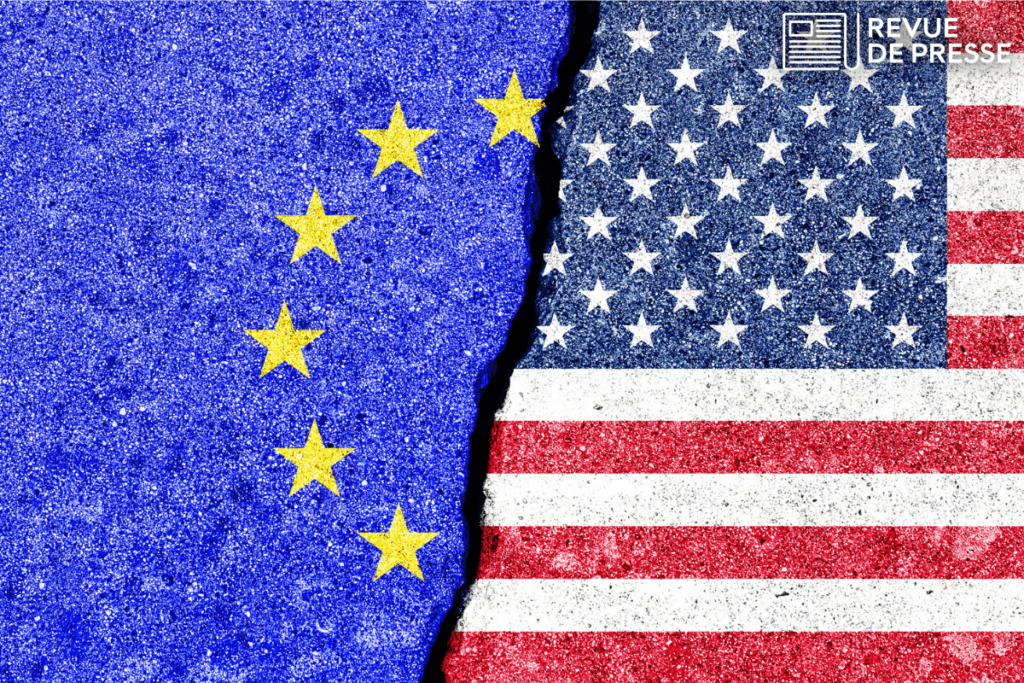
Trump recalled one U.S. brigade from Germany. European leaders warn NATO unity is under pressure, seeking reassurance.
Whether Greenland is presented as “European/Danish” and the basis for European response.
9 of 10 outlets skipped it: macron suggested activating the anti-coercion instrument (never used before) to oppose Greenland-related tariff surcharges..
10outlets compared
Same story, two versions
tap a side to read it in full
StratNews Global
““Spain has stated that military bases on its territory cannot be used for operations related to the Iran war, highlighting ongoing divisions within the alliance.””Read the original ↗
One frames the refusal as a stated policy tied specifically to “operations related to the Iran war,” while the other uses a more general “declined to allow use of its bases.” The difference affects how firmly the refusal is linked to Iran specifically versus broader operational discretion—important for measuring NATO cohesion and predictability of support.
Troop cuts and NATO strain
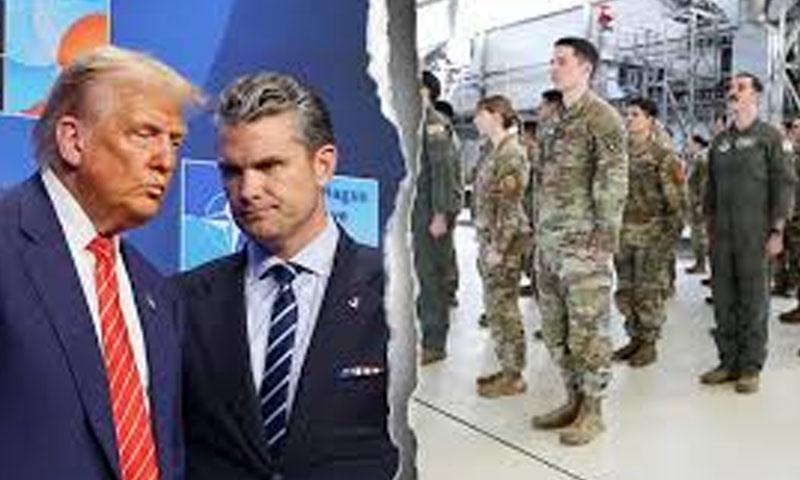
European governments are facing renewed pressure over NATO unity after a decision by U.S. President Donald Trump to call one American brigade back from Germany, a move that European officials are trying to manage while tensions linked to the Iran war continue.
“around one American brigade comprised of 5,000 US troops from Germany”
Hum News English says the withdrawal involves “around one American brigade comprised of 5,000 US troops from Germany,” and it frames the decision as raising concerns in Europe about “the stability of long-standing defence commitments.”H

The same account says German officials also expressed concern over “the cancellation of a planned deployment of US Tomahawk missiles to Germany,” adding to uncertainty over future U.S. defence commitments in Europe.
It also reports that Trump’s criticism of NATO allies for not contributing enough to U.S.-led operations in the Iran conflict followed the troop decision.
NATO officials were described as “not surprised by the scale of the troop reduction,” because European allies have already agreed to take on greater responsibility for their own security, but the communication was described as “sudden with limited consultation.”
StratNews Global adds that Rutte told reporters at a European Political Community summit in Armenia that “Yes, there has been some disappointment from the U.S. side, but Europeans have listened,” and that Europeans were “now making sure that all the bilateral basing agreements are being implemented.”S
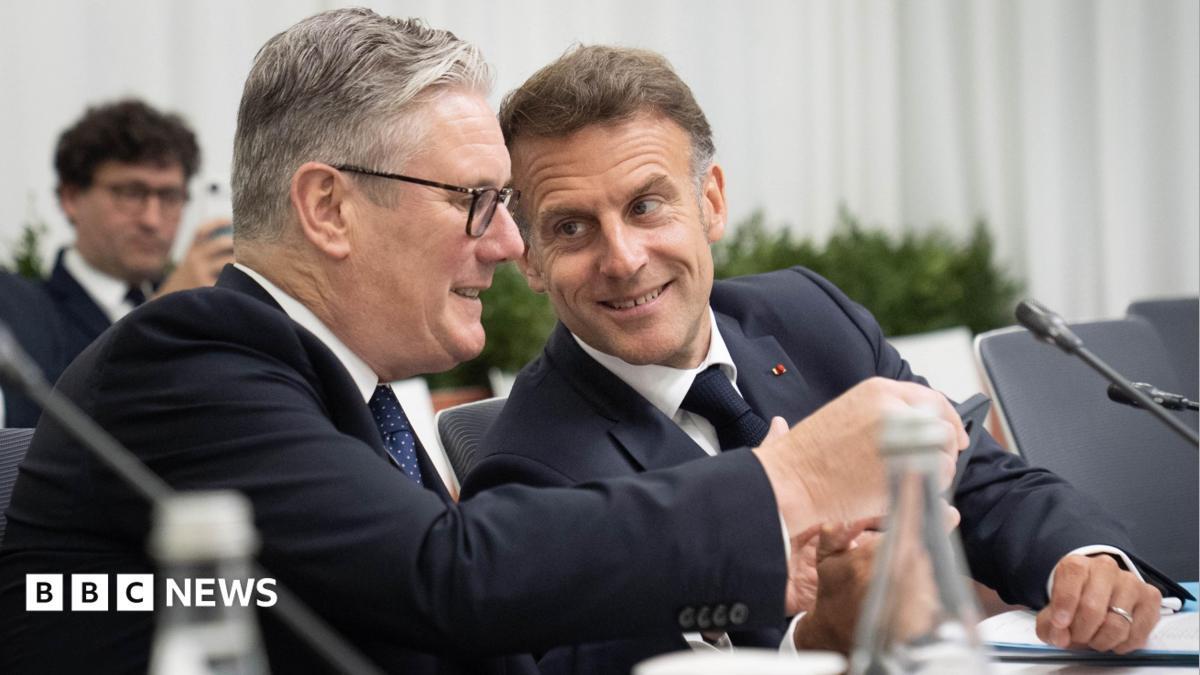
In parallel, BBC reports that Macron said increasing U.S. indifference to European security is “the elephant in the room,” while also pointing to “over-reliance on the US security umbrella.”
Bases, readiness, and uneven alignment
As Washington’s pressure increases, European governments are moving to implement agreements on the use of military bases while also preparing for potential escalation tied to the Iran war and the Strait of Hormuz.
StratNews Global reports that NATO Secretary General Mark Rutte said European nations have “gotten the message” from Trump and are now “fully implement[ing] agreements on the use of military bases,” describing the shift in transatlantic dynamics as he spoke at a European Political Community summit in Armenia.S
The same report says Trump has repeatedly criticised NATO members for what he sees as insufficient support in the conflict with Iran, and it links that criticism to the U.S. plan to withdraw 5,000 troops from Germany.
StratNews Global also states that Spain has said “military bases on its territory cannot be used for operations related to the Iran war,” highlighting that not all allies are aligned.S
Yet Rutte is quoted pointing to a broad group of countries including Montenegro, Croatia, Romania, Portugal, Greece, Italy, Britain, France and Germany that are implementing agreements to provide access to bases and logistical support.
Beyond base access, StratNews Global says Rutte reported that “more and more” European nations are pre-positioning naval assets such as minehunters and minesweepers near the Gulf, indicating preparations for a possible next phase of the conflict.S
Hum News English similarly says that “several European countries have allowed US forces access to bases and airspace during the Iran campaign,” while also noting that “Spain has declined to allow use of its bases.”H
Greenland tariffs and EU response
Alongside the NATO burden-sharing debate, the U.S. pressure is also expressed through Greenland-related threats that European officials and EU institutions are responding to with trade and political measures.
“Greenland is European, it is Danish in fact and will remain so.”
Europe 1 reports that Minister Delegate for Francophonie and International Partnerships Eléonore Caroit said the Danish autonomous territory “is and will remain European,” and it quotes her saying, “Greenland is European, it is Danish in fact and will remain so.”
The same Europe 1 article frames the issue around Trump considering “a 200% increase in tariffs on French wine and champagne” and threatening Europeans with a new tariff war if they do not follow his plan regarding the island.
RTBF describes a “brutal” shock on January 17 when Trump announced tariffs on eight European countries that had sent military personnel to Greenland, and it says the threat adds to “the annexation of Greenland by the United States, by force if necessary.”
RTBF reports that the President of the European Council, Portuguese Antonio Costa, convenes heads of state and government to an extraordinary summit on Thursday, January 22, and it says “a trade war looms on the horizon.”
Touteleurope.eu adds that the ambassadors of the Twenty‑Seven met in emergency session on Sunday in Brussels, with a first objective to verify unity, and it says the threats affect only the six member states that have sent troops to Greenland.
It reports that the extraordinary European Council will take place Thursday evening, starting at 7 p.m., and it says Emmanuel Macron proposed to activate the anti‑coercion instrument, described as “a trade tool never used before.”
Voices of leaders and officials
European leaders and officials are publicly calibrating their responses to Trump’s moves, combining calls for unity with warnings about unpredictability and the need to reduce dependencies.
BBC reports that French President Macron told the European Political Community summit on Monday that increasing U.S. indifference to European security is “the elephant in the room,” and it quotes him saying Europe has an “over-reliance on the US security umbrella.”
BBC also says UK Prime Minister Keir Starmer admitted that Europe’s alliances “are not where we want them to be,” and it reports that he urged the bloc to move at pace in bolstering its defences.
In Davos, BFM reports that Christine Lagarde said on French radio RTL that “They are behaving very strangely for allies,” and it quotes her explaining that threatening to seize a territory “like Greenland” and “waving tariff restrictions” is “not really evidence of a very allied behavior.”
BFM also quotes Lagarde saying, “I am on high alert,” and it adds that she said she would listen to Trump’s speech because “the way he speaks and what he says will be interesting.”
RTL.fr quotes Alice Rufo, Minister Delegate to the Armed Forces, calling for “European unity” and saying “Europeans must be more lucid” after several days marked by muscular speeches responding to Trump’s ambitions to annex Greenland and tariff threats.
Hum News English adds a German lawmaker voice through Siemtje Moeller, who said the issue was about “trust in long-term partnerships,” warning that such decisions appear increasingly unpredictable.H
What happens next and what’s at stake
The sources portray the coming weeks as a test of whether NATO unity and EU trade coordination can hold while Trump’s actions continue to reshape European security calculations.
“NATO summit in Ankara in July”
Hum News English says European diplomats are focusing on a NATO summit in Ankara in July, where leaders are expected to face difficult discussions about the alliance’s future direction, and it adds that “the coming months will be crucial” as NATO tries to manage internal differences while maintaining U.S. participation.H
It also reports that several European countries are preparing naval support in the Gulf region for possible future missions linked to the Strait of Hormuz, tying near-term readiness to the broader Iran-war context.
On the Greenland front, Touteleurope.eu says the Twenty‑Seven asked the Commission to work on different possible scenarios and that leaders will meet in the coming days to coordinate their response, with an extraordinary European Council scheduled for Thursday evening starting at 7 p.m.
RTBF says the extraordinary summit is convened for Thursday, January 22, and it describes the hour as grave with “a trade war looms on the horizon.”
Les Echos adds a more structural warning about NATO credibility, saying the crisis is unprecedented because it is “the first time in NATO's history” that a member state threatens to annex the territory of another ally, creating an “Article 5 paradox.”
It also states that if the United States were to act against Greenland, it would “permanently undermine the credibility of American guarantees to all allies.”