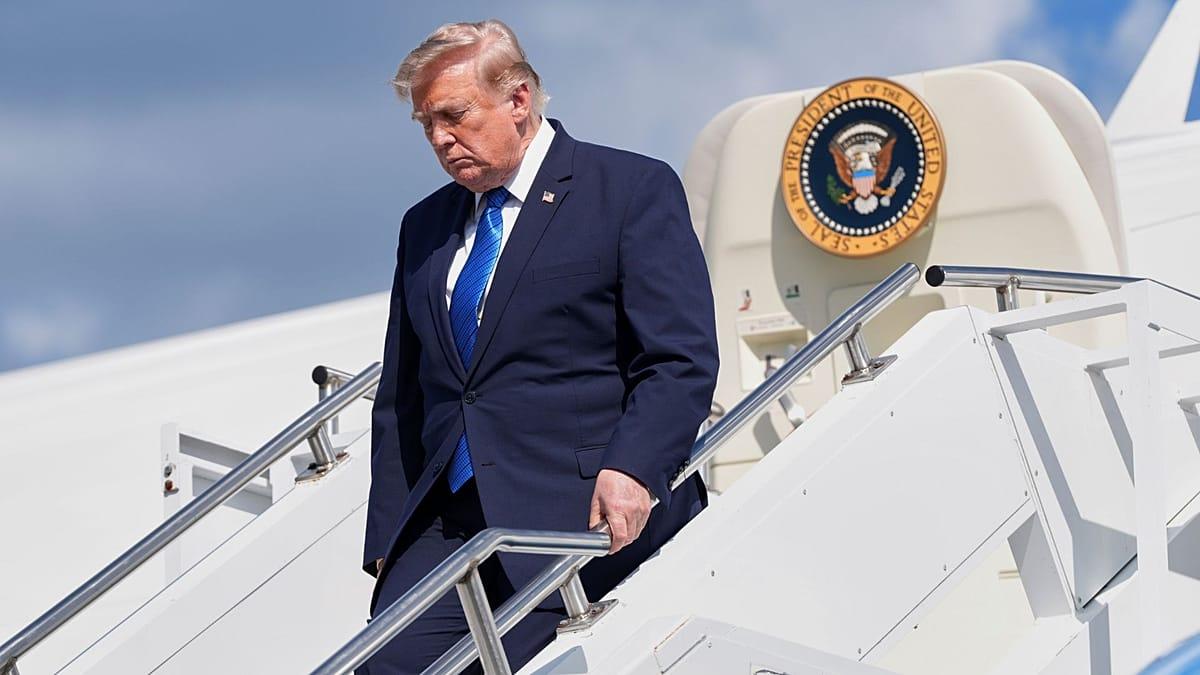
Full story
Project Freedom Meets Fire
The U.S. launched “Project Freedom” to reopen the Strait of Hormuz as Iran and the United Arab Emirates traded accusations of attacks, with the first day of the operation marked by missile, drone, and small-boat activity.
“The United Arab Emirates said Monday it came under attack by Iran for the first time since a fragile ceasefire in the Mideast war took hold early April”
The CBC reported that the United Arab Emirates said it came under attack by Iran for the first time since a fragile ceasefire took hold early April, and that the U.A.E. Defence Ministry said Iran launched four cruise missiles, with three shot down and one falling into the sea.
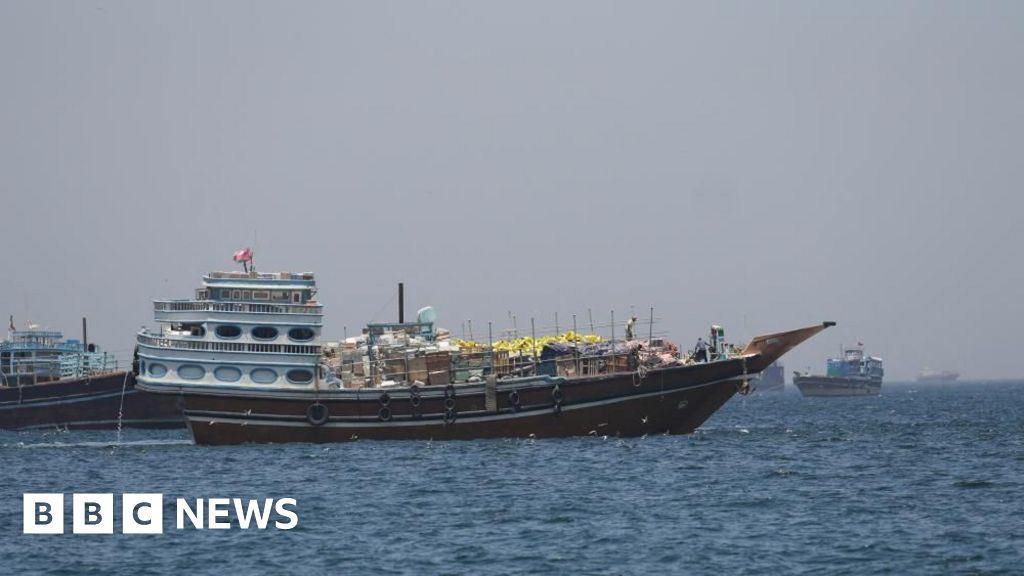
CBC also said Fujairah authorities reported that an Iranian drone sparked a fire at a key oil facility, and that the British military reported two cargo vessels ablaze off the U.A.E.
NPR likewise said the U.S. military fired on Iranian forces and sank six small boats targeting civilian ships as it moved to reopen the Strait of Hormuz on Monday, while the UAE said it had been attacked by Iran for the first time since the ceasefire began early April.
NBC News reported that Iran fired cruise missiles and drones and launched small boats to target U.S.-flagged ships in the Strait of Hormuz, but that “no vessels have been hit and no one was injured,” citing the commander of U.S. Central Command.
In parallel, the U.S. said two U.S.-flagged merchant ships successfully transited the strait on Monday as part of the new initiative, with CBC noting that the U.S. military said it assisted “2 U.S.-flagged ships transit Strait of Hormuz.”
The operation’s defensive posture was emphasized by U.S. Central Command, with NBC quoting Adm. Brad Cooper saying the U.S. was “merely there as a defensive force” to “enforce” a “very thick layer of defense to commercial shipping.”
Numbers, Denials, and Damage
As the U.S. and Iran described their actions, the reporting diverged over what was hit, what was sunk, and whether the ceasefire was still intact.
NBC News said Iran launched “multiple cruise missiles” at U.S.-flagged ships and at U.S. Navy ships protecting commercial vessels, while Central Command said no ship was hit, and it added that Iran claimed to have struck an American warship but Central Command said no ship was hit.

CBC reported that the U.A.E. Defence Ministry said Iran launched four cruise missiles, with three shot down and one falling into the sea, and that three Indian citizens were injured at the Fujairah Oil Industry Zone and taken to hospital, according to the Fujairah media office.
NPR said the UAE Defense Ministry said its air defenses had engaged 15 missiles and four drones fired by Iran, and that one drone sparked a fire at a key oil facility, wounding three Indian nationals.
On the U.S. side, CBC said the U.S. military sank six small boats from Iran as it moved to reopen the Strait of Hormuz, while News18 said U.S. forces destroyed at least six Iranian boats and Trump claimed on social media that seven boats were shot down.
Meanwhile, CBC also reported that Iran’s Revolutionary Guard Corps denied that any commercial vessels or tankers had crossed the strait in the last few hours, saying via Tasnim that such “claims by U.S. officials are baseless and complete lies.”
NBC News said Cooper would not address whether the ceasefire that began April 8 was now over, and it quoted him: “I wouldn’t go into details of the whether the ceasefire is over or not.”
Iran’s Warnings and U.S. Threats
Iran’s response to the U.S. effort was framed as both a denial of U.S. claims and a warning that foreign forces would face attack if they approached the strait without coordination.
“no military solution to the crisis”
CBC said Iran’s Foreign Minister Abbas Aragchi told reporters that the events in the Strait of Hormuz showed there was “no military solution” to the crisis, while adding that talks were making progress with Pakistan’s mediation and warning the United States and the United Arab Emirates against being drawn into a “quagmire by ill-wishers.”
NPR reported that Iran’s Foreign Minister Abbas Araghchi said on X that both the U.S. and the UAE “should be wary of being dragged back into quagmire,” and it also quoted an anonymous Iranian military official saying the incident resulted from “U.S. military adventurism to create an illegal passage.”
The BBC said a statement from the head of Iran’s central command said it would attack “any foreign armed force” that tried to approach or enter the Strait, “especially, the aggressive US army,” and it quoted Maj Gen Ali Abdollahi saying safe passage must be co-ordinated with Iran “under all circumstances.”
In the U.S. messaging, NBC News reported that Trump warned Sunday that Iranian efforts to halt passage through the strait “will, unfortunately, have to be dealt with forcefully,” and it also quoted Trump’s Fox News warning that if Iran attacks any American vessels they will be “blown off the face of the Earth.”
The BBC also quoted Trump’s Truth Social post describing the mission as a “Humanitarian gesture” and saying the U.S. would “guide their Ships safely out of these restricted Waterways.”
In the operational language, NBC News quoted Adm. Brad Cooper saying the U.S. was “merely there as a defensive force” and that Iran was “initiating aggressive behavior,” while CBC said Admiral Brad Cooper told reporters that American forces opened a passage through the strait “free of Iranian mines.”
European and Global Reactions
While the U.S. and Iran traded claims over the strait, the reporting also captured diplomatic and political reactions from outside the immediate conflict zone.
CBC said Prime Ministers Mark Carney wrote on social media that Canada “strongly condemns Iran’s unprovoked missile and drone attacks on the United Arab Emirates,” adding that Canada stands with President Mohamed Bin Zayed and the people of the United Arab Emirates and reiterated the call for “de-escalation and diplomacy in the region.”

CBC also said British Prime Minister Keir Starmer echoed the message, and it described the attacks as appearing to be in response to U.S. President Donald Trump’s latest efforts to reopen the Strait of Hormuz.
NPR described the UAE as a “key American ally” and said the UAE condemned what it called “renewed treacherous Iranian aggression” and called for an immediate halt to the attacks, and it added that four missile alerts were issued Monday urging UAE residents to find shelter, the first such alerts since the ceasefire began nearly a month ago.
The BBC’s explainer on “Project Freedom” said the Strait has remained largely blocked since the U.S. and Israel launched air strikes on Iran and Tehran responded by blocking the waterway, and it stated that 20% of the world’s oil and liquefied natural gas is meant to pass freely through the strait.
It also quoted Olivia Wales, White House spokesperson, saying, “While Iran chose to attack innocent commercial vessels; the United States is assuming the risk on behalf of the international community to defend international commerce and guide stranded ships safely through the strait.”
In the shipping-focused reporting, the Maritime Executive quoted BIMCO advising that there is “a risk of hostilities breaking out again if 'Project Freedom' goes ahead,” and it quoted BIMCO’s statement that “The overall security situation for the shipping industry is currently unchanged.”
What Comes Next
The sources portray a tense next phase in which the U.S. operation continues while Iran maintains that passage must be coordinated with its forces, leaving shipping and insurers to weigh risk.
“advising ships to cross the strait through the "enhanced security area" in Oman's waters”
CBC said the U.S.-led Joint Maritime Information Center is advising ships to cross the strait through the “enhanced security area” in Oman's waters, and it reported that Iran said the new U.S. effort is a violation of the fragile ceasefire that has held for more than three weeks.
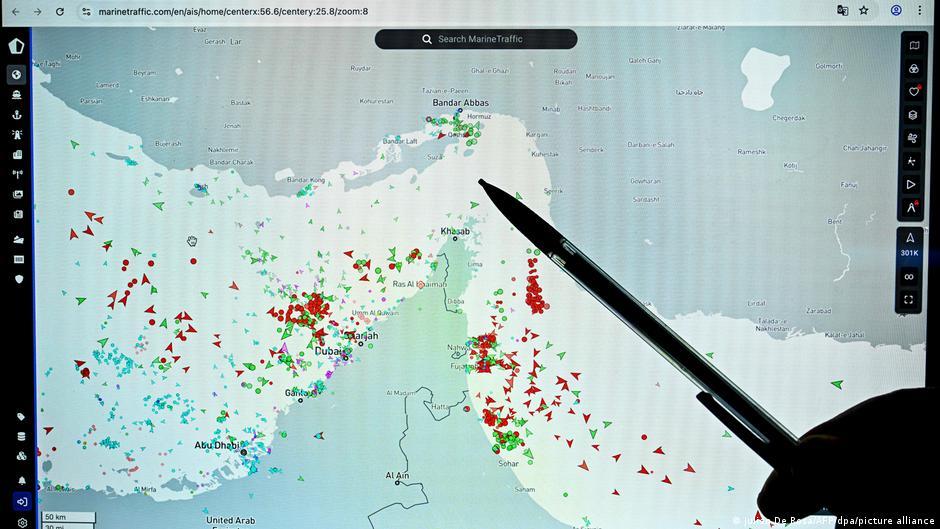
gCaptain’s Reuters-based report said the Joint Maritime Information Center, led by U.S. maritime forces based in Bahrain, told operators in a note that the U.S. had “established an enhanced security area to support Strait of Hormuz transits,” and it advised vessels to use Omani waters on the west of the strait to avoid mines, urging them to “carefully review risk assessments and routing ahead of transit.”
It also said Iran’s unified command told commercial ships and oil tankers that “We warn that any foreign armed forces, especially the aggressive U.S. Army, will be attacked if they intend to approach and enter the Strait of Hormuz.”
The BBC said the operation could lead to a wider resumption of hostilities and described how the U.S. would “guide” ships, while Iran warned it would attack “any foreign armed force” that tried to approach or enter the Strait.
The Maritime Executive added that the zone now covers waters off Fujairah, the UAE's bypass route for oil exports, and it quoted Hamidreza Azizi saying the objective was to keep alternative export channels at risk and sustain elevated oil prices.
In the immediate operational timeline, CBC said U.S. War Secretary Pete Hegseth was expected to give a briefing on operations in the region Tuesday morning at the Pentagon with Air Force Gen. Dan Caine, chair of the Joint Chiefs of Staff, and NBC News said the U.S. operation involves 15,000 service members and over 100 aircraft.