
US Intercepts Iranian-Flagged Tankers Near India, Malaysia, Sri Lanka, Redirects Them Away
Key Takeaways
- U.S. forces intercepted at least three Iranian-flagged tankers near India, Malaysia, and Sri Lanka.
- The United States redirected the vessels away from their positions.
- The action reflects a widening blockade on Iran's seaborne trade beyond the Strait of Hormuz.
Blockade Expands at Sea
The United States intercepted at least three Iranian-flagged tankers in Asian waters and redirected them away from positions near India, Malaysia and Sri Lanka, according to shipping and security sources cited by Reuters on Wednesday.
“Skip to navigationSkip to contentSkip to footerHelp using this website - Accessibility statement Today's Paper Advertisement World Asia Middle East conflict Print article Jonathan Saul, Nidhi Verma and Renee Maltezou Updated Apr 23, 2026 – 4”
Reuters reported that U.S. naval forces stopped three tankers sailing under the Iranian flag and altered their course near maritime zones close to India, Malaysia, and Sri Lanka.
The interceptions were described as part of Washington’s blockade on Iran’s trade by sea, while Iran fired on ships to prevent them sailing through the Strait of Hormuz waterway at the entrance to the Middle East Gulf.
The closure of the strait has disrupted supply of a fifth of the world’s oil and gas supplies, Reuters said, and caused a global energy crisis.
Reuters also said U.S. forces had seized an Iranian cargo ship and an oil tanker in recent days.
In the same Reuters account, U.S. Central Command said in a post on X that the Dorena had been under escort of a U.S. Navy destroyer in the Indian Ocean after attempting to violate the blockade.
Multiple outlets tied the move to an expansion beyond the Strait of Hormuz, with Türkiye Today describing it as a significant expansion of the Iranian naval blockade beyond the Strait of Hormuz and the Persian Gulf into open-ocean operations.
Named Vessels and Cargo
Reuters and outlets repeating the Reuters reporting identified the intercepted vessels as the Iranian-flagged Deep Sea, Sevin, and Dorena, with ship tracking data on the MarineTraffic platform used to place them before interception.
The Deep Sea was described as a supertanker that was part loaded with crude and last seen on its public tracking transponder off Malaysia’s coast a week ago.

The smaller Iranian-flagged Sevin was described as having a maximum capacity of 1 million barrels and carrying 65% of its load, and it was last seen off Malaysia’s coast a month ago.
Reuters said the Iranian-flagged supertanker Dorena was fully loaded with 2 million barrels of crude, and last seen off the coast of southern India three days ago.
In addition to those three, Reuters reporting said U.S. forces may have intercepted the Iranian-flagged Derya tanker, after it failed to discharge its cargo of Iranian oil in India before a U.S. waiver on Iranian crude purchases expired on Sunday.
The Times of India echoed the same vessel set, adding that the Dorena was “under the escort of a US Navy destroyer in the Indian Ocean” after Reuters said it attempted to violate the blockade.
The UNN report also named Deep Sea, Sevin, and Dorena as the rerouted vessels near India and Malaysia, and it reiterated that Dorena was escorted by a U.S. Navy destroyer in the Indian Ocean after interception.
Blockade Metrics and Mine Risk
Alongside the vessel-by-vessel reporting, Reuters and other outlets emphasized the scale of the blockade enforcement and the geographic rationale for where interceptions were occurring.
“The US military has intercepted at least three Iranian-flagged tankers in Asian waters and is redirecting them away from their positions near India, Malaysia and Sri Lanka, shipping and security sources said on Wednesday”
Reuters said U.S. Central Command had directed 29 vessels to turn around or return to port since the start of its blockade against ships entering or exiting Iranian ports.
The Times of India described the same enforcement as the U.S. Central Command saying it had directed at least 29 vessels to turn back or return to port since the blockade began.
Türkiye Today reported that CENTCOM said since the start of the blockade, U.S. forces had directed 29 vessels, revised to 31 in a later statement, to turn around or return to port.
Reuters also included a maritime security explanation that U.S. forces were looking to target Iranian ships away from the Strait of Hormuz and in open waters to avoid any risk of floating mines during operations.
The Times of India similarly framed the targeting of vessels outside the Strait of Hormuz as a way to reduce risks from floating mines, stating that Reuters reported U.S. forces had increasingly targeted vessels outside the Strait of Hormuz, including in open waters.
Forbes added a separate operational detail, saying the Pentagon estimates that clearing Iranian mines from the Strait of Hormuz could take six months, and that it could prolong the economic consequences of its closure.
Iran’s Countermoves and Diplomacy
The interceptions were reported against a backdrop of continued hostility and stalled diplomacy, with Reuters describing “little sign of peace talks resuming during an uneasy ceasefire” nearly two months after the U.S. and Israel began their war on Iran.
Reuters said Iran had fired on ships to prevent them sailing through the Strait of Hormuz, and it also said Iran captured two container ships seeking to exit the Gulf via the Strait of Hormuz on Wednesday after firing on them and another vessel, its first seizures since the war began.
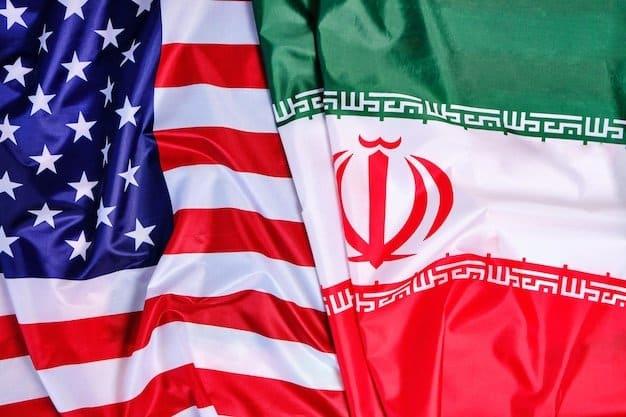
Forbes reported that Iranian leaders said they would only agree to a lasting ceasefire and reopening the Strait of Hormuz if the U.S. lifts its naval blockade, and if Israel also commits to a ceasefire.
Forbes quoted Iranian President Masoud Pezeshkian saying Iran “has welcomed dialogue and agreement and continues to do so,” but that the U.S. naval blockade, “breach of commitments” and “threats are main obstacles to genuine negotiations,” as written on X.
The same Forbes account said Iranian Parliament Speaker Mohammad Bagher Ghalibaf posted on X that a ceasefire could only happen if the U.S. ended the blockade and that Israel cease from “Zionist warmongering.”
Reuters also noted that U.S. forces had seized an Iranian cargo ship and an oil tanker in recent days, and it described the U.S. Central Command’s X post about Dorena’s escort.
The Times of India added that Iran accused the U.S. of acting in “bad faith,” and it said planned negotiations in Islamabad were delayed after Tehran did not confirm participation.
Market and Personnel Signals
Beyond the immediate maritime actions, the Reuters-based reporting was accompanied by financial and political signals that outlets tied to escalation and uncertainty.
“The US intercepted two Iranian oil supertankers amid continued tensions over the Strait of Hormuz, sending the likelihood of a US-Iran peace deal by April 22, 2026, down to Market reaction The Iran Peace Deals market moved quickly after the interception, with traders reading the move as an escalation”
Crypto Briefing said the Iran Peace Deals market moved quickly after the interception, with traders reading the move as an escalation, and it stated that “The tanker seizure signals an entrenched hardline US posture and makes a rapid diplomatic resolution less likely.”

It also described a specific market framework, saying the April 22, 2026 resolution contract sat at “The Trump’s Iranian Demands market,” and it gave figures for volume and order book depth, including “Volume in the Iran Peace Deals market is $10,463 in actual USDC daily” and “Order book depth is $2,636 to move 5 points.”
Forbes added a separate U.S. domestic development, reporting that the Pentagon announced a major personnel shakeup—Navy Secretary John C. Phelan would be leaving the Trump administration “effective immediately.”
Forbes quoted Pentagon spokesperson Sean Parnell making the announcement in a brief post on X, wishing the former official well but not giving any further reason for the firing.
The same Forbes account said the U.S. implemented a naval blockade on April 13 on ships coming to and from Iran, and it stated that as of Tuesday, the U.S. Navy had turned back 28 vessels attempting to enter or exit Iranian ports since the blockade began, according to U.S. Central Command.
Taken together with Reuters’ description of the blockade’s impact on global energy supplies, the reporting framed the interceptions as part of a broader pressure campaign with both immediate shipping effects and longer-running policy consequences.
More on USA

Trump Claims Virginia Redistricting Vote Was Rigged as Courts Block Plan
12 sources compared

U.S. Senate GOP Adopts Budget Resolution To Fund ICE And Border Patrol Without Democrats
17 sources compared

Todd Blanche Orders Marijuana Rescheduled From Schedule I To Schedule III
12 sources compared

Two CIA Officers Killed in Mexico Crash After Counternarcotics Operation in Chihuahua
19 sources compared