US-Iran Ceasefire Ends Bombing But War Flares in Lebanon, Hormuz Stays Blocked
Key Takeaways
- Israel intensifies strikes on Lebanon, expanding the war.
- Strait of Hormuz traffic halted amid Iran’s response to strikes.
- The two-week US-Iran ceasefire is fragile, with tensions escalating.
Fragile Ceasefire
Pakistan brokered a two-week ceasefire between the United States and Iran.
Netanyahu signaled the truce remains fragile and Israel retains the option to resume military action.

He stressed the ceasefire was reached in full cooperation with Israel but it does not extend to Hezbollah.
The humanitarian toll continues to mount with at least 254 killed in Lebanon.
Iran sealed the Strait of Hormuz in response.
Contested Terms
Pakistan and Iran insisted Lebanon was included in the ceasefire, the White House said it was not.
Competing narratives emerged over the Strait of Hormuz and tolls for passage.

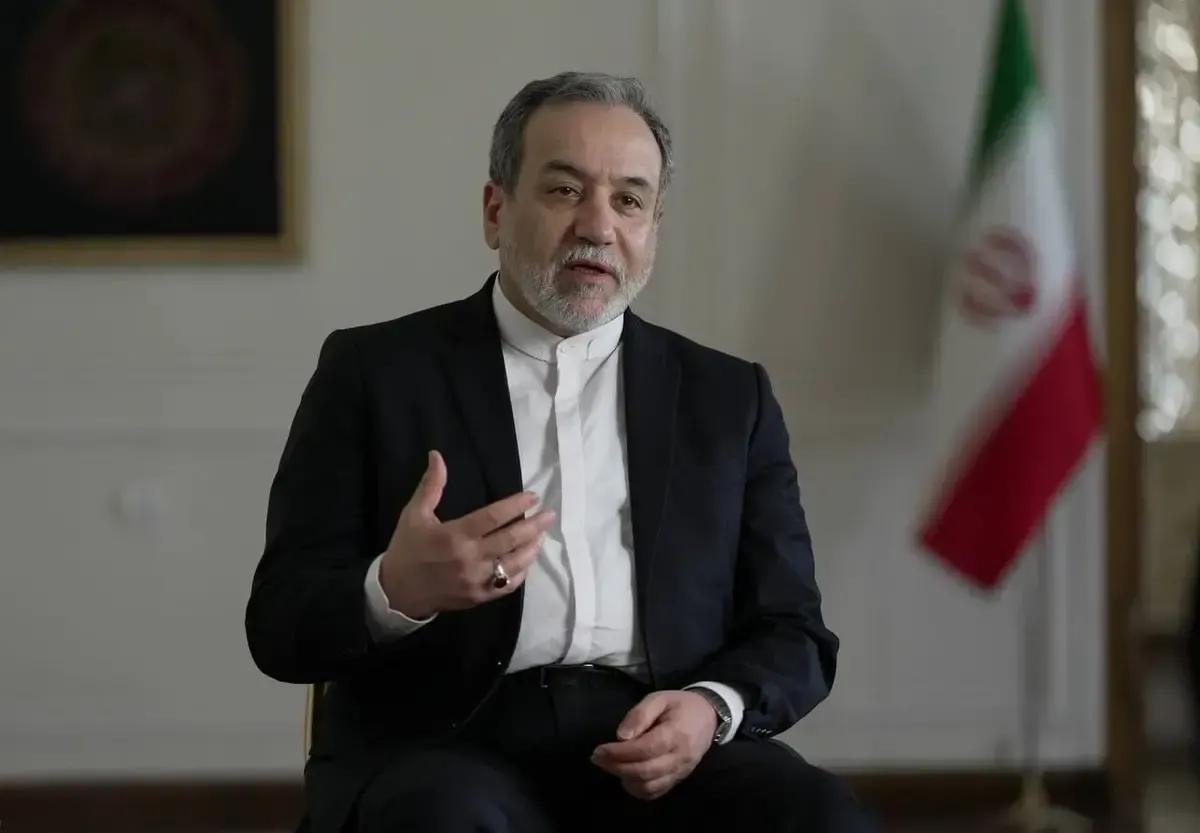
Iran’s Foreign Minister framed the war as not our war nor America's war — Israel is the one that pushed the United States into it.
Congressional Democrats demanded emergency briefings.
Mixed Reactions
Reactions were mixed across the region.
Iran warned that continued war via Israel contradicts any peaceful resolution.
Netanyahu framed the ceasefire as suboptimal from Israel’s perspective.
Roadmaps for reopening worship sites in Jerusalem emerged.
Lebanon faced the challenge of grappling with continued devastation.
More on Iran

US-Iran Two-Week Ceasefire Reached, Trump Declares Total Victory
28 sources compared

Strait of Hormuz Remains Closed Post-Ceasefire As Hundreds of Ships Are Stuck
20 sources compared
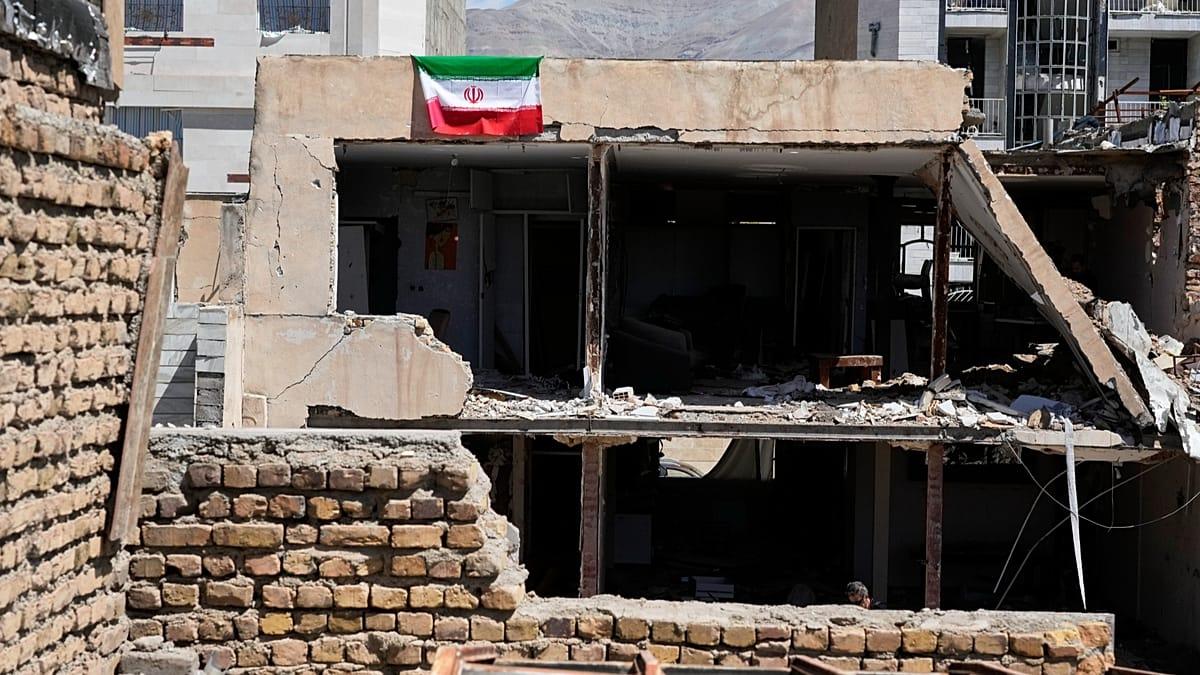
US-Iran Two-Week Ceasefire Opens Strait of Hormuz at 12% Capacity
18 sources compared
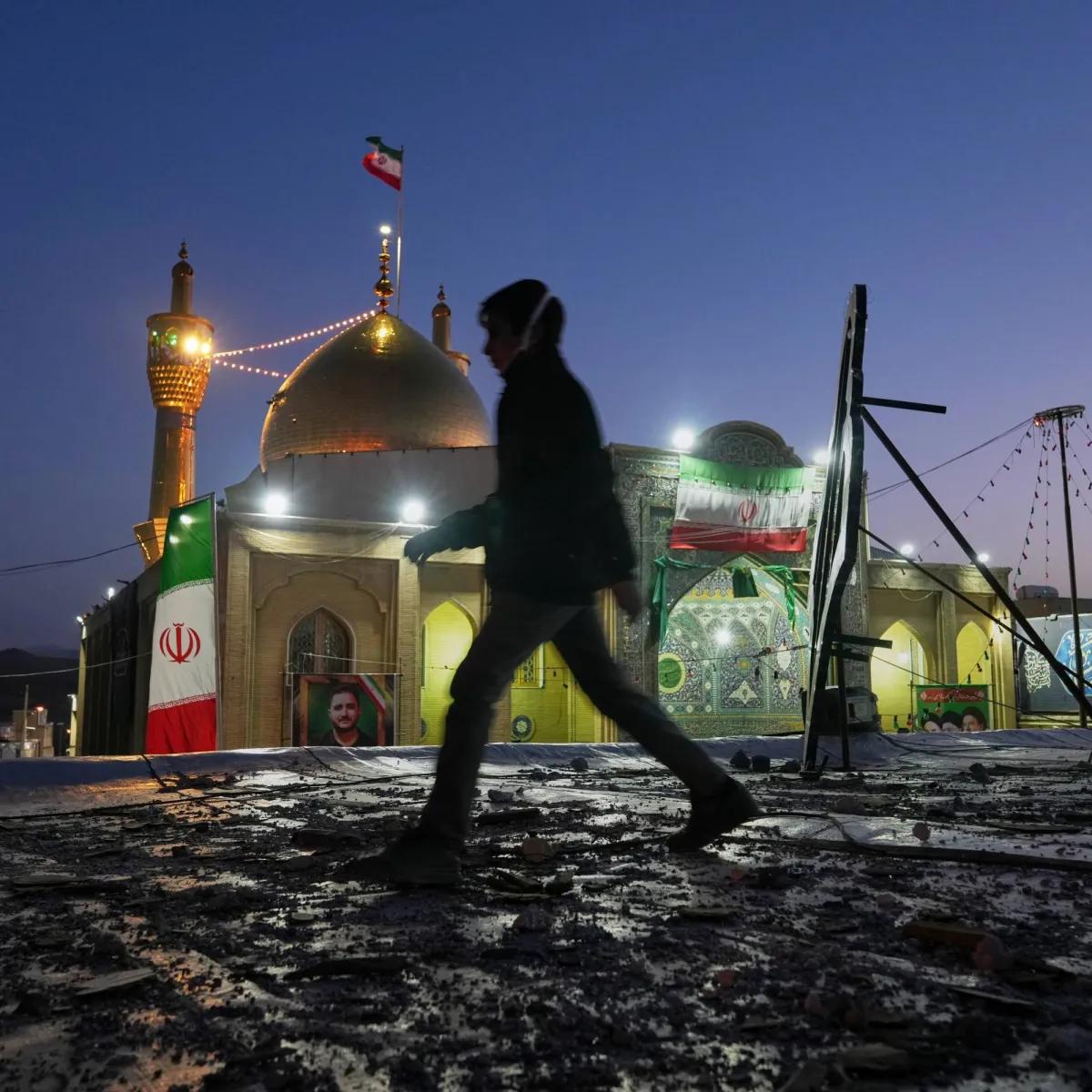
Two-Week Ceasefire Between US-Israel and Iran Begins Amid Regional Chaos
18 sources compared