
US-Iran Ceasefire Ends Hostilities After 39 Days of Bombing and Death
Key Takeaways
- Two-week US-Iran ceasefire agreed and began after 39 days of fighting.
- Negotiations set to discuss Tehran's 10-point ceasefire proposal, including Strait of Hormuz reopening.
- Some new attacks hit the Gulf as Iran claimed Strait of Hormuz shipping halted.
Ceasefire Announced
After 39 days of intense bombing, Trump announced the US had accepted a two-week ceasefire.
The Pentagon confirmed six US service members killed, the first American casualties of the war.

The Strait of Hormuz would reopen, though Iran would still control it.
Pakistan, China, and regional players contributed to the final push.
Debate Over Bombing Iran
Trump's bomb-then-talk approach dominated.
A Reuters poll found only 27% of Americans approved of the strikes.

The Atlantic Council called the campaign a high-risk gamble with unclear objectives.
Iran responded with missile strikes on Israel that killed 11 people.
Humanitarian Toll and Global Impact
The Iranian Red Crescent reported 747 injured alongside the 201 dead.
Drone strikes hit Kuwait's Mina Al-Ahmadi refinery, forcing evacuation of 900 employees.
The CEIC added gold prices hit $2,220 an ounce.
India's Ministry of External Affairs welcomed the ceasefire.
Legacy of the War
South Africa's EFF celebrated Iran's strategic victory.
TheWire.in observed that a flattened Iran was likely to reorder west Asian politics.

The Globe and Mail reflected on how five weeks of warfare had altered the world.
More on Iran
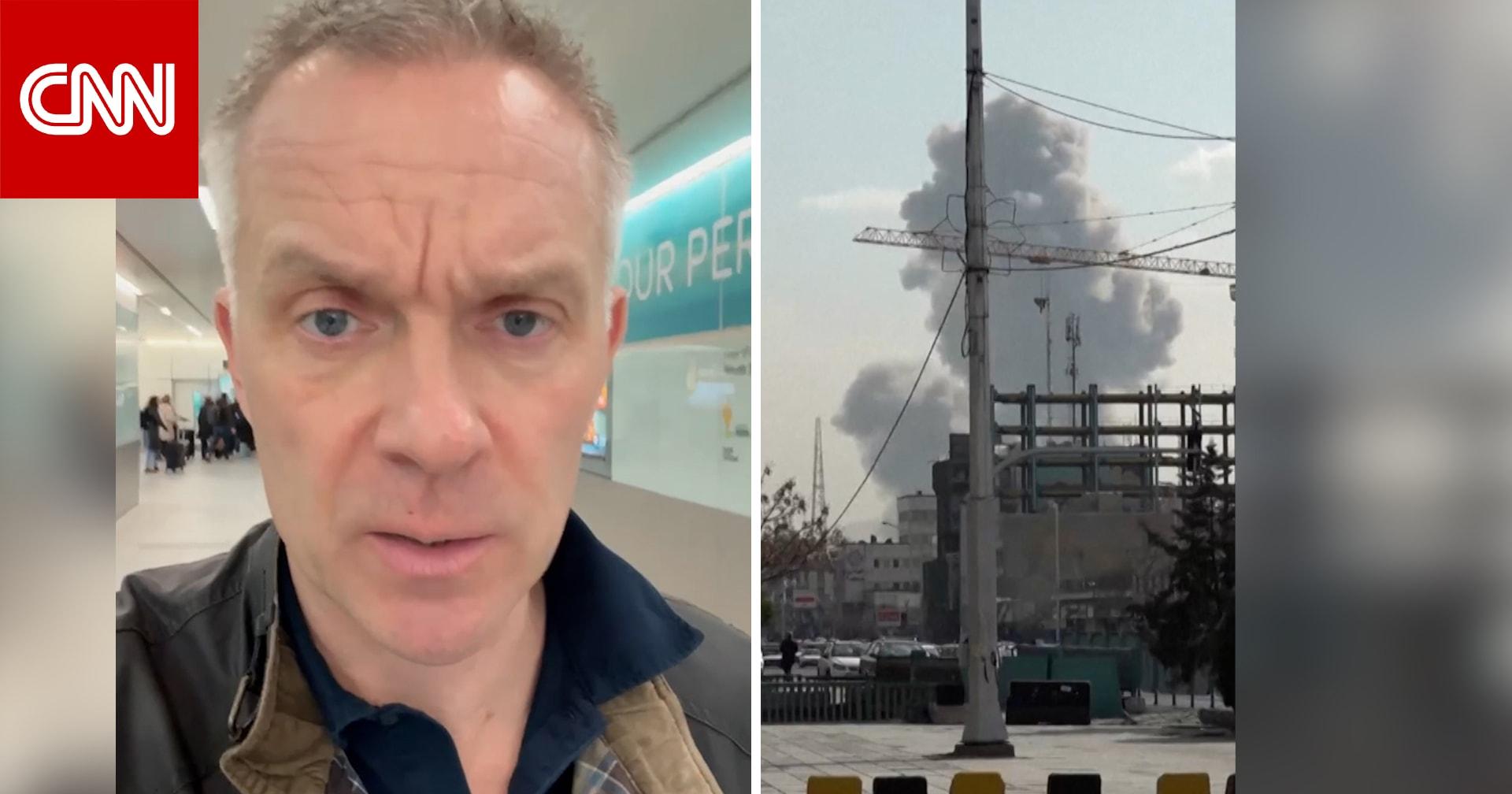
Two-Week US-Iran Ceasefire Unravels Amid Conflicting Claims and Continued Strikes
11 sources compared
Strait of Hormuz Rerouting Raises Shipping, Oil Price Costs
14 sources compared

Pakistan's Role in Iran Ceasefire Revelations Spice Diplomatic Debate
20 sources compared
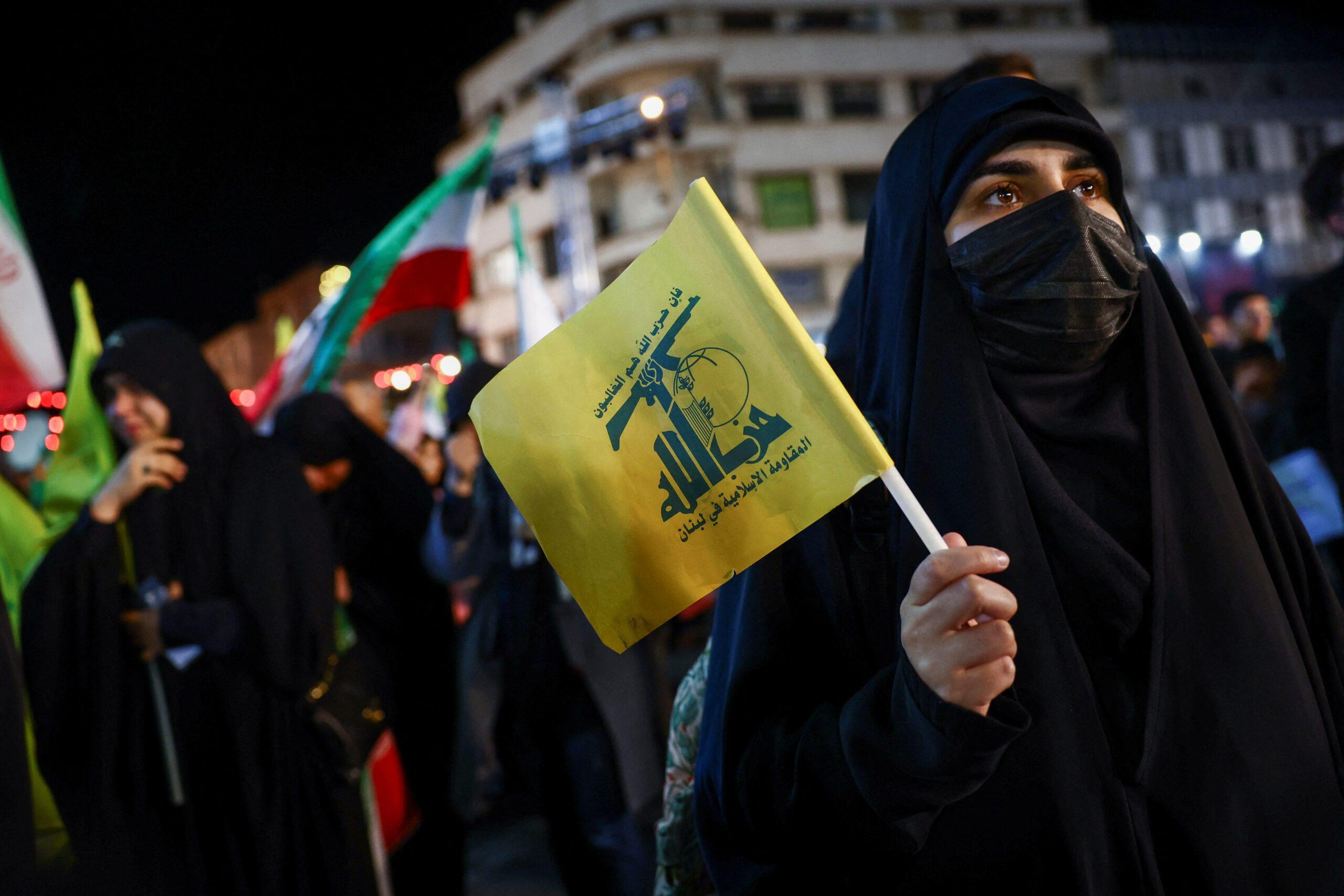
Trump Declares Victory After Iran Ceasefire; Strait of Hormuz Reopens
30 sources compared