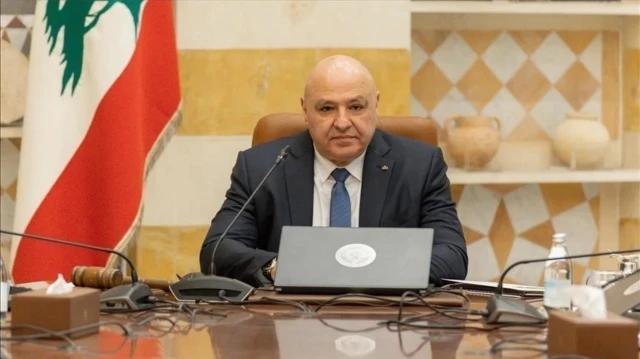
US-Iran Ceasefire Tested as Strait of Hormuz Remains Restricted
Key Takeaways
- Two-week US-Iran ceasefire; Hormuz reopening remains contested and uncertain.
- Iran asserts control; traffic requires Iranian permission despite ceasefire reports.
- UAE demands guaranteed Hormuz access in any US-Iran agreement.
Ceasefire Challenges
A fragile two-week ceasefire took effect, yet the reopening of the Strait of Hormuz remained unfulfilled.
Iran warned ships they must seek permission with any vessel attempting to pass without permission to be destroyed.

Over 800 ships remained stranded in the Gulf.
The US embassy in Baghdad warned of further attacks after Iran-backed militias struck a diplomatic support centre.
Israel's Position and Regional Dynamics
Netanyahu embraced the two-week ceasefire but made clear it does not extend to Lebanon.
Israel supports suspension of strikes against Iran on the condition Tehran reopens the straits.
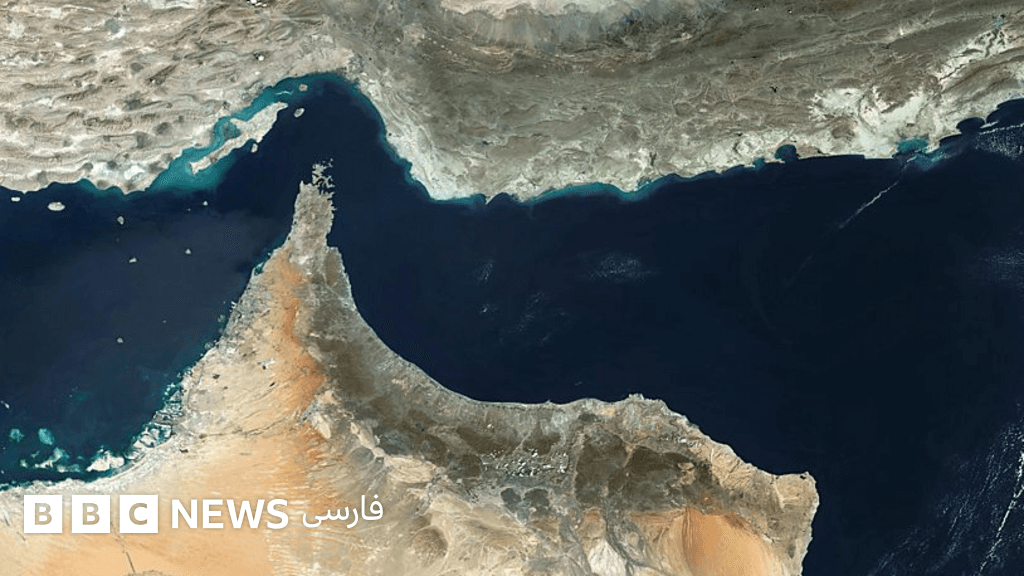
Lebanese President Aoun is working to secure Lebanon's inclusion.
Hezbollah has so far adhered to the ceasefire despite continued Israeli strikes.
Economic Impacts and Market Reactions
Global markets reacted with relief but remained cautious.
“What to know about the Iran war today: - Iran is accusing Israel of violating the conditional by continuing its war with Hezbollah in Lebanon”
Gold surged to $4,857.02 an ounce.
Oil traded below $100 a barrel.
The London Metal Exchange saw copper prices fall 1.52%.
More on Iran

US-Iran Two-Week Ceasefire Reached, Trump Declares Total Victory
28 sources compared

Strait of Hormuz Remains Closed Post-Ceasefire As Hundreds of Ships Are Stuck
20 sources compared
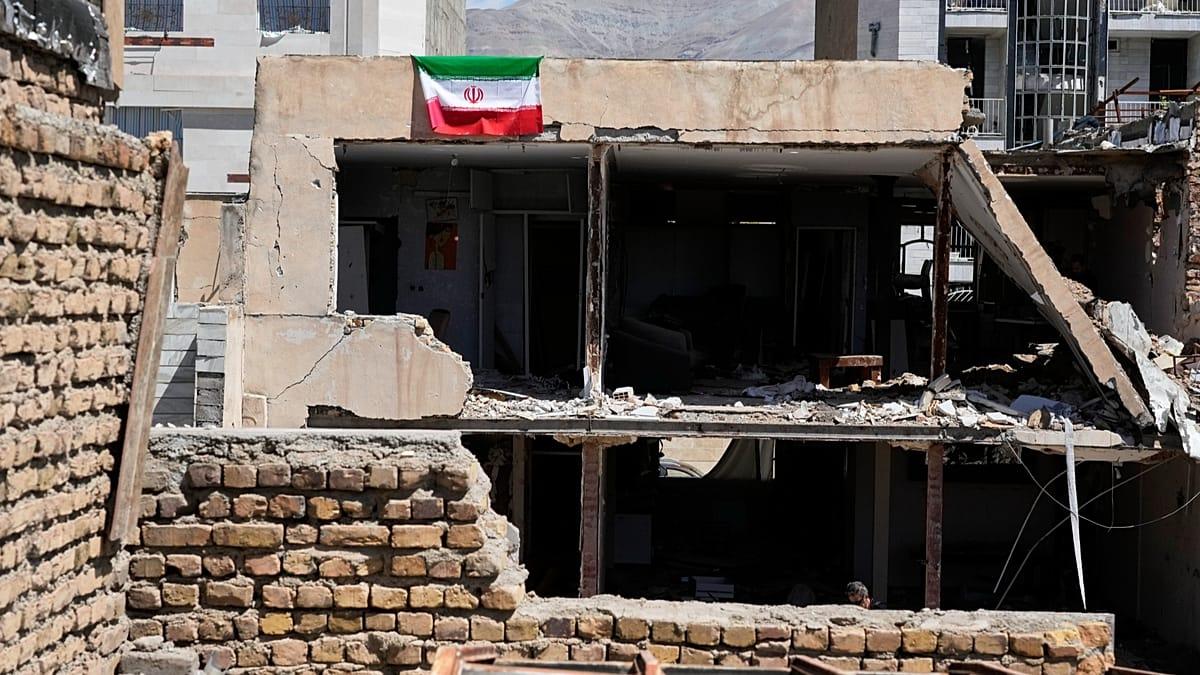
US-Iran Two-Week Ceasefire Opens Strait of Hormuz at 12% Capacity
18 sources compared
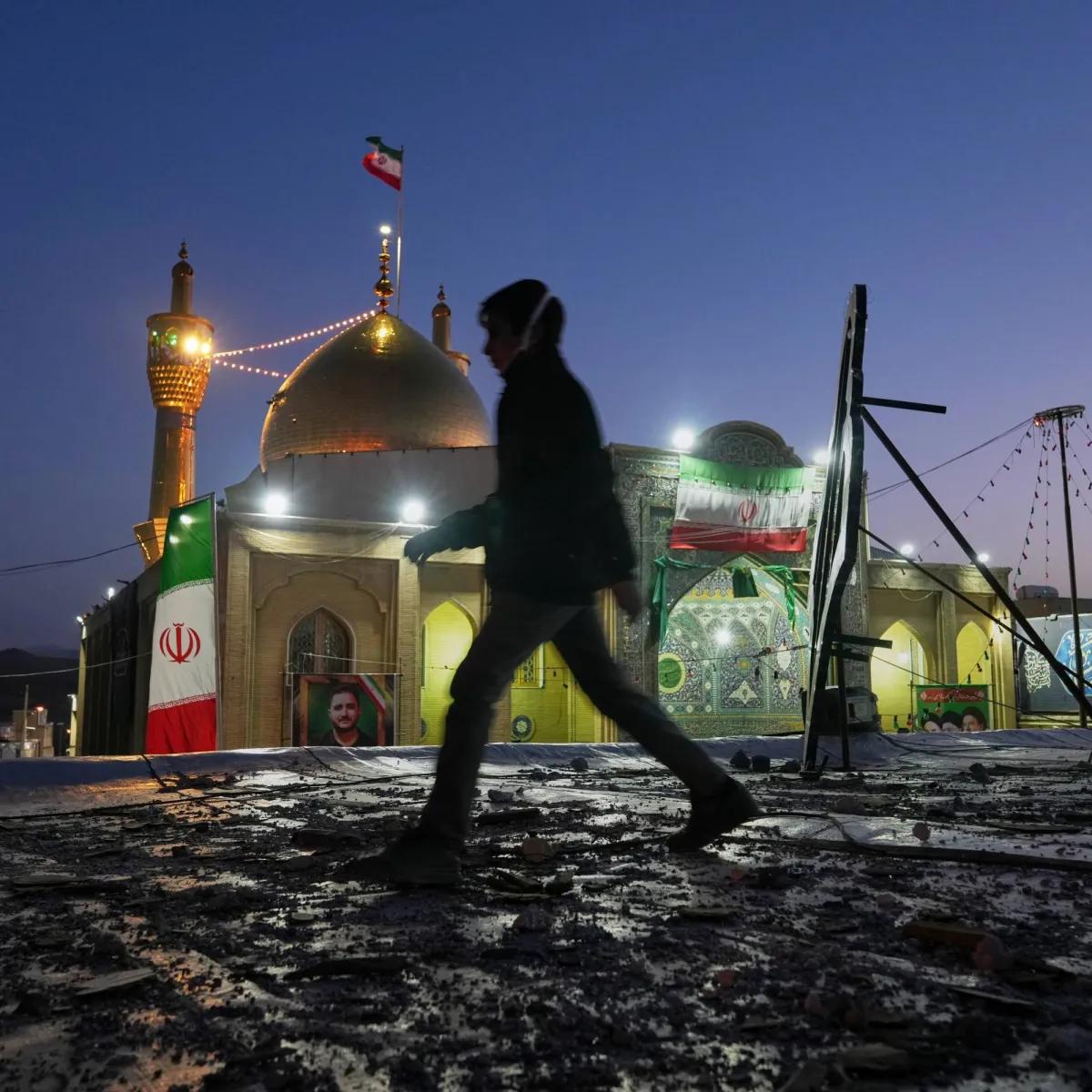
Two-Week Ceasefire Between US-Israel and Iran Begins Amid Regional Chaos
18 sources compared