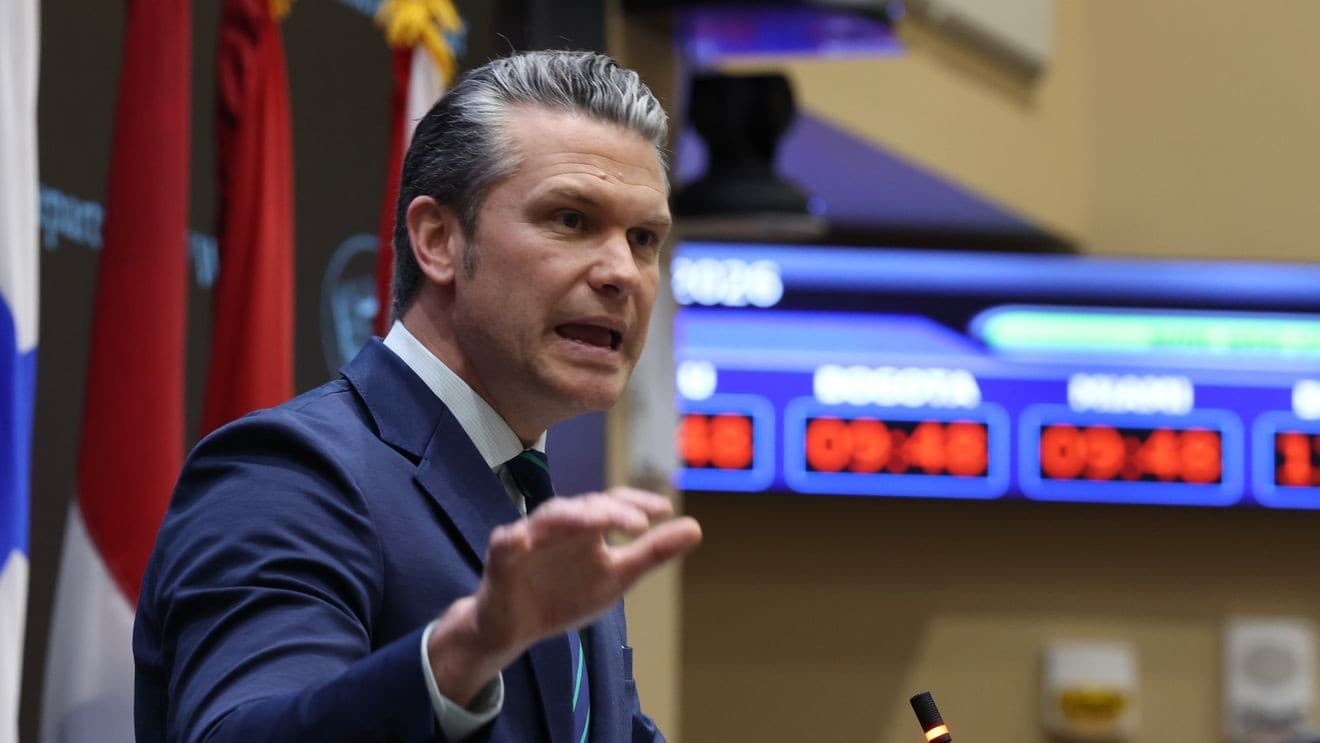
U.S., Israel Advance Operation Epic Fury, Seek Regime Change in Iran
Key Takeaways
- U.S. and Israeli forces launched sustained airstrikes against Iranian military and strategic targets
- Operation Epic Fury began February 28, 2026, initiating sustained U.S.-Israeli attacks
- Khamenei's killing preceded Iranian missile barrages and reprisal strikes against U.S. and regional targets
Operation Epic Fury overview
The United States and Israel launched a large, coordinated military campaign called Operation Epic Fury on Feb. 28, 2026, carrying out a massive opening wave of strikes and continuing intensive operations into early March.
“Games & Quizzes History & Society Science & Tech Biographies Animals & Nature Geography & Travel Arts & Culture ProCon Money Videos 2026 Iran conflict Introduction & Top Questions Conflict Reactions and impact Background References & Edit History Quick Facts & Related Topics Images Related Questions What is Operation Epic Fury”
Britannica reports that "On Feb. 28, 2026, the United States and Israel launched a large joint military campaign against Iran called Operation Epic Fury, carrying out nearly 900 strikes in the first 12 hours against missiles, air defenses, military infrastructure and leadership."

The Debrief describes the campaign as having entered its fourth day after beginning on Feb. 28, 2026, with widespread airstrikes by U.S. and Israeli forces on Iranian targets.
WJAR notes that U.S. officials said Operation Epic Fury has struck nearly 200 targets in Iran over the past 72 hours, including sites around Tehran.
Strikes, claims, and damage
The strikes targeted Iran’s senior leadership and key institutions, producing leadership casualties and damage to the Assembly of Experts' meeting place.
Britannica states that 'The opening wave killed Iran’s supreme leader, Ali Khamenei, and dozens of other senior officials.'
The Debrief reports that 'Israeli strikes have reportedly hit near the Assembly of Experts compound in Qom, which Israeli sources told The Jerusalem Post was ‘flattened.’'
The Debrief also reports that Israeli ground forces are moving in Lebanon.
WJAR records that 'Trump has claimed Supreme Leader Ayatollah Ali Khamenei was killed during the initial strikes.'
Sources differ on Khamenei's fate, as Britannica states he was killed while The Debrief reports strikes near the Assembly of Experts without confirming his death and WJAR attributes a claim of his death to Trump.
Iran's regional attacks
Iran responded with large-scale missile and drone waves that reverberated across the region, testing defenses and causing wide destruction.
“As the war in the Middle East spirals further, U”
The Debrief reports that "Iran has responded with coordinated waves of missile and drone attacks across the region, testing U.S. air defenses and exposing vulnerabilities at fixed military sites and critical energy infrastructure."
Britannica similarly describes that "Iran responded with hundreds of missiles and thousands of drones across the Middle East, producing widespread destruction, more than a thousand deaths, and major disruptions to travel, shipping and oil markets."
WJAR's description of the U.S. strike posture — including that "B-2 bombers dropped multiple 2,000‑pound 'Penetrator' bombs" — underscores the scale of the exchange between U.S./Israeli forces and Iranian systems.
Casualties and strikes
The campaign produced significant civilian and military casualties and specific high-casualty incidents.
Britannica documents a deadly strike that "hit a girls’ school near Bandar Abbas killed over 160 people," and notes the opening exchanges produced "more than a thousand deaths."
The Debrief records U.S. military losses, stating that "U.S. Central Command confirmed that six American service members were killed in a drone strike on a base in Kuwait, the deadliest U.S. loss since the conflict began."
WJAR's account of powerful ordnance and deep-penetration strikes further reflects the intensity of operations that coincide with those casualty reports.
U.S.–Iran campaign overview
Political and strategic calculations shaped the campaign’s tempo and U.S. domestic reaction while timetables remained unclear.
“'The mission is advancing decisively,' Hegseth says of Operation Epic Fury TAMPA, Fla”
The Debrief notes that timelines remain uncertain and that President Trump suggested the campaign could last four to five weeks.
WJAR reports congressional pushback and debate, saying the House voted 212–219 to block a war‑powers resolution intended to stop President Trump’s strikes on Iran, with supporters arguing the president is acting under his constitutional authority to defend the U.S.
Britannica frames the campaign within longer‑term U.S.–Iran hostility, saying it followed years of tensions centered on Iran’s nuclear program, ballistic missiles and regional influence, and failed attempts to revive the 2015 nuclear deal in 2025–26.
More on Iran
US Bombs Military Sites on Iran's Kharg Island
10 sources compared
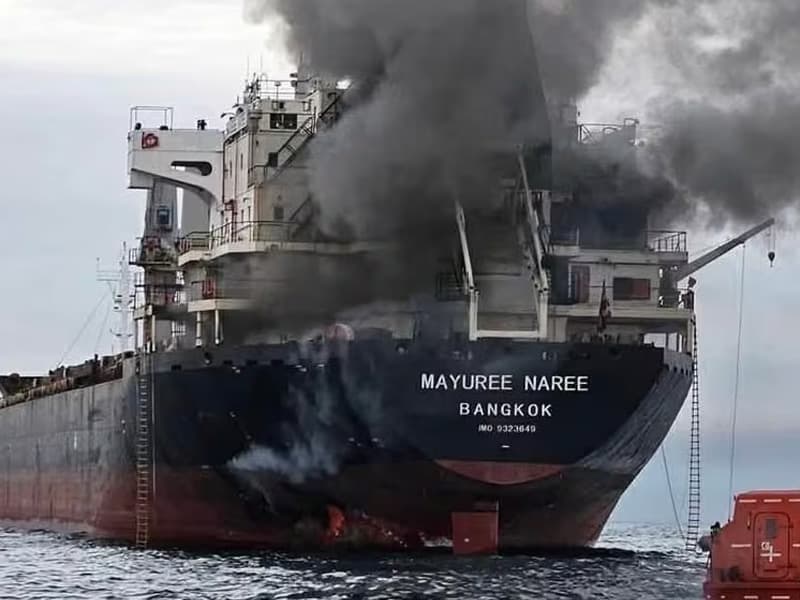
Iran Closes Strait of Hormuz, Chokes Global Shipping and Pushes U.S. Retail Prices Higher
41 sources compared
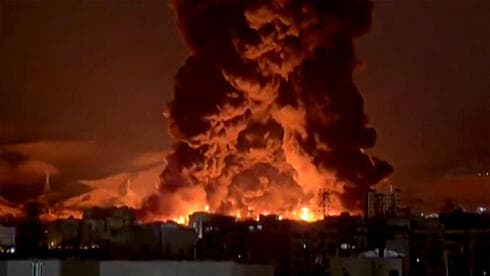
President Donald Trump Orders US Bombing of Iran's Kharg Island, Says Targets 'Totally Obliterated'
18 sources compared
US obliterates military targets on Iran’s Kharg Island, Trump warns
13 sources compared