
US-Israel-Iran War Triggers Oil Fires, Toxic Seas Across Region
Key Takeaways
- Attacks on oil facilities trigger regional oil fires and long-term environmental damage.
- Toxic pollution from strikes, including 'black rain,' contaminates air, water, soil, risking health regionwide.
- Pollution may persist for decades and spread across the Middle East as conflict expands.
Environmental Crisis
The US-Israel-Iran conflict has triggered severe environmental disasters across the Gulf region.
“Oil fires, toxic air and water risks: Environmental cost of Iran war expands to region The bombing of oil facilities in Iran and critical water infrastructure in the Gulf threatens the Middle East with long-lasting environmental destruction, as have similar tactics employed in previous conflicts”
Military operations are causing oil spills, toxic chemical releases, and widespread marine ecosystem damage.

CEOBS has documented substantial threats to the Gulf's marine environment from attacks on infrastructure.
These attacks can release dangerous chemicals like sodium hypochlorite, ferric chloride, and sulfuric acid into Gulf waters.
These environmental catastrophes pose direct risks to civilian populations and regional ecosystems.
The Gulf is one of the world's most heavily industrialized marine regions facing these threats.
The conflict has created a toxic environmental legacy extending beyond immediate human casualties.
Long-term ecological damage affects fisheries, habitats, and water quality for decades to come.
Sri Lanka Oil Spill
A recent environmental catastrophe occurred when the US military torpedoed an Iranian frigate near Sri Lanka's coast on March 4, 2026.
This caused a massive oil spill spanning roughly 12 miles (19 kilometers).
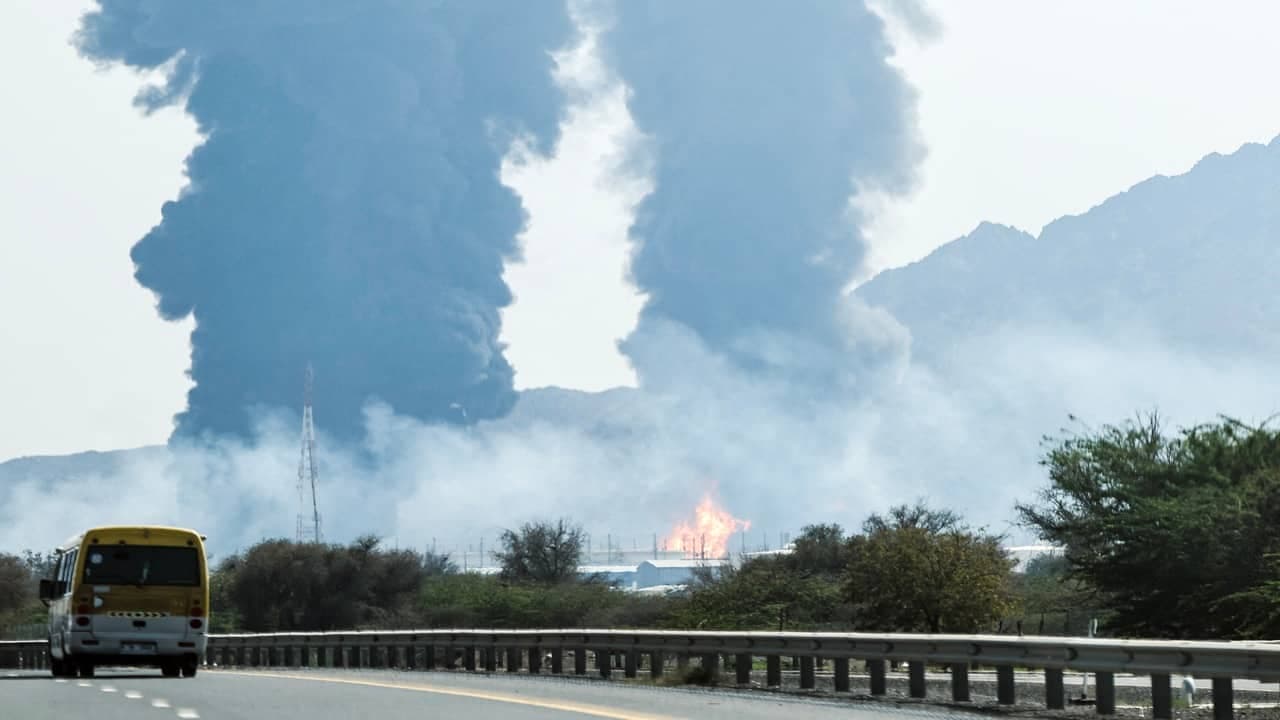
CEOBS shared satellite images documenting the spill, representing the latest in environmentally destructive military operations.
The sinking of Iranian frigate IRIS Dena occurred during Operation Epic Fury.
This demonstrates how naval warfare directly translates to marine pollution.
The spill threatens sensitive coastal ecosystems in the region.
It also potentially affects international shipping lanes in the Indian Ocean.
This incident highlights immediate environmental consequences of modern naval conflicts in strategically vital waterways.
Historical Pollution
Environmental devastation from current operations echoes historical precedents from the 2006 Israel-Hezbollah conflict.
“‘Black rain’: Iran war’s toxic pollution will spread and last for decades Missiles and bombs contain pollutants which are released into the air, soil and water when they explode and crash, posing many health risks News of black rain falling on Tehran felt all too familiar to Nejat Rahmanian as he scrolled through alerts on social media feeds and tried to contact relatives on March 8”
An Israeli strike on Lebanon's Jiyeh thermal power plant caused one of the worst Mediterranean oil spills.
The spill was roughly six miles wide, spreading across more than 100 miles of coastline.
It killed marine life and destroyed habitats across the region.
The spill raised serious health concerns about potential cancer risks.
Waves continued crashing on rocks covered with black oil more than a year later.
This demonstrates the long-term persistence of environmental damage from wartime pollution.
This historical precedent warns about lasting ecological consequences of targeting energy infrastructure.
White Phosphorus Damage
Israeli military operations have used white phosphorus munitions over populated Lebanese areas.
This causes immediate human suffering and long-term environmental degradation.
Human Rights Watch reported illegal use over southern Lebanese town of Yohmor on March 3.
This continues a pattern documented by Amnesty International and American University of Beirut.
White phosphorus ignites on oxygen contact, burning at extremely high temperatures.
It causes severe chemical burns that can be fatal even when covering just 10% of the body.
The substance damages environment by burning land and degrading soil quality.
It reduces agricultural fertility and causes algal blooms in waterways.
These algal blooms disrupt aquatic ecosystems when phosphorus runoff enters rivers.
Planning Failures
Military planners consistently fail to address environmental considerations in operations.
“My Account Follow us on: Powered By See the top gainers, losers, invest and get updated what's happening in the crypto market Invest Now Powered By Discover the secret world of unlisted shares — analyse India's top pre-IPO companies and invest before they hit the markets Invest Now Discover the latestBusiness News,Sensex, andNiftyupdates”
Environmental experts have expressed 'very little confidence' that environmental factors are being considered in planning.
This disregard represents a significant gap in modern warfare planning.
Conflicts increasingly target industrial infrastructure and sensitive marine environments.
The lack of environmental safeguards means civilians bear dual burdens.
They face immediate conflict effects and long-term ecological damage.
This includes contaminated water supplies and destroyed fisheries.
Agricultural land may take generations to recover from such damage.
Long-term Legacy
Military conflict and environmental disaster intersect in the Gulf region.
This creates complex long-term challenges for regional stability and public health.
Oil spills and chemical contamination threaten delicate marine ecosystems.
These ecosystems support vital fisheries and provide critical ecosystem services.
The toxic legacy of white phosphorus use persists long after hostilities cease.
This creates hazardous conditions for civilian populations.
There may be generational health impacts from continued contamination.
As the conflict continues, environmental consequences multiply.
Experts describe this as a 'toxic environmental legacy' affecting entire coastal communities.
More on Iran
Russia Secretly Airlifts Iran's Supreme Leader Mojtaba Khamenei to Moscow for Surgery
11 sources compared
Iranian Drone Strike Shuts Dubai International Airport, Thousands Stranded
25 sources compared

Iran Drone Strike Shuts Dubai International Airport, Triggers Global Travel Disruption
16 sources compared

Iran's New Supreme Leader Mojtaba Khamenei Travels to Moscow for Leg Surgery
15 sources compared