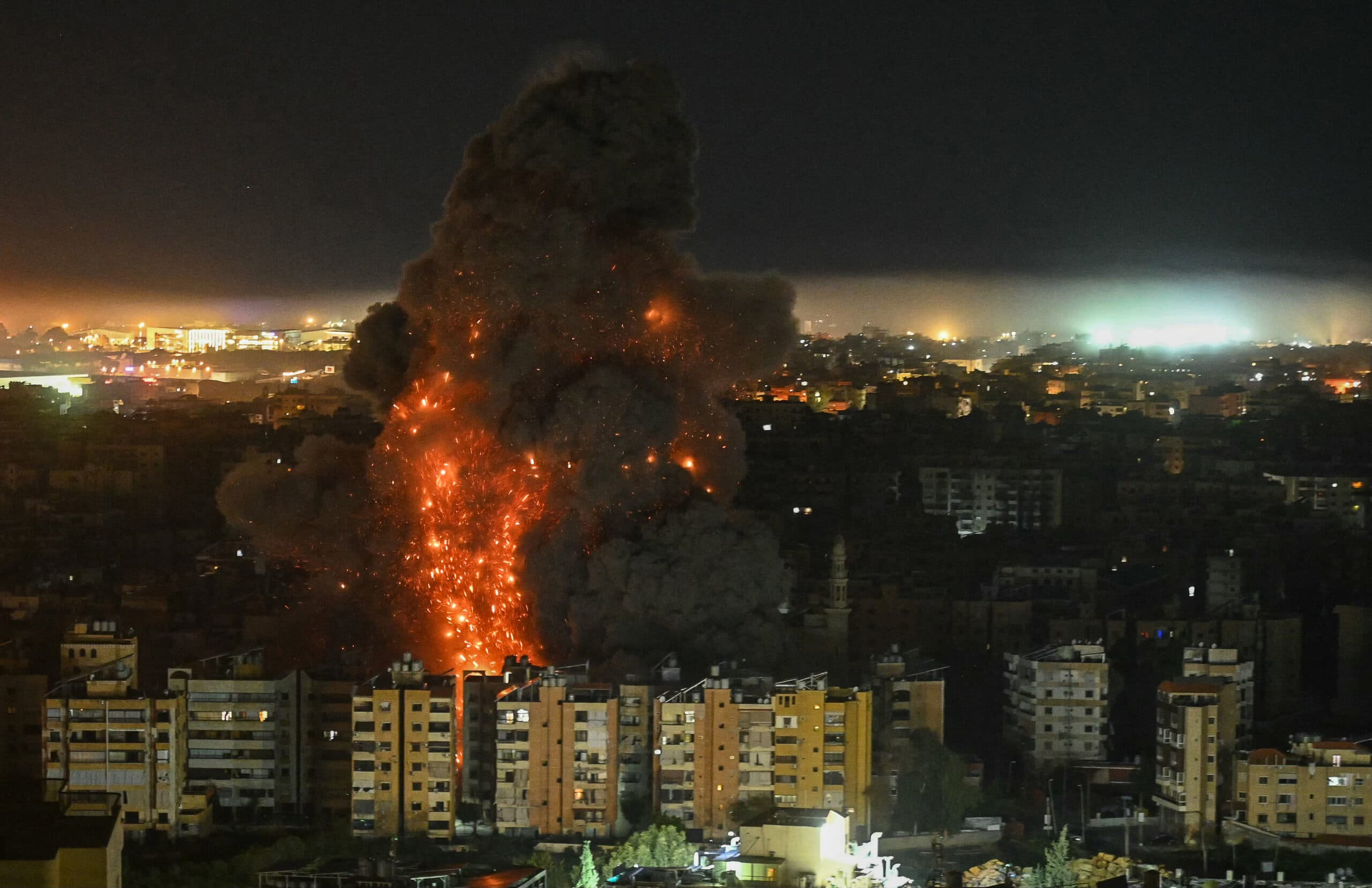
U.S., Israel largely aligned on Iran war aims, but public opinion and political timelines diverge
Key Takeaways
- U.S. and Israel largely share Iran war aims.
- Domestic support and political timelines diverge, potentially shaping campaign duration.
- Analysts say tight coordination masks growing differences in priorities and strategy.
Public alignment vs domestic opinion
Over two weeks into the war with Iran, U.S. and Israeli leaders’ public statements about the effort and their goals remain largely in sync, with President Trump praising Israel for helping secure the Strait of Hormuz, while other oil-interested countries have yet to offer to help.
Yet, the two publics diverge: Israel’s population is broadly supportive of the war, while most Americans oppose it, which could influence political timelines.
Differing goals and regime-change emphasis
Analysts say there are significant differences in goals and priorities that could shape how long Washington and Jerusalem sustain the campaign.
Assaf Orion notes that despite a joint operation, much depends on Trump.
Dan Diker says Israelis believe Trump shares goals like completely neutralizing Iran's ballistic and nuclear programs and removing 440 kilograms of highly enriched uranium, arguing that without regime change this would be 'for naught'.
Israel seeks to topple the regime.
The U.S. and Israel are cooperating more closely than ever, described as a 'real partnership,' with daily coordination among presidents, defense chiefs, and ministers, because surprises are unacceptable.
Strategic aims and risk tolerance
Orion notes that differences in aims include the U.S. goal to destroy Iran’s navy, which Israel has not stated.
Israel seeks to destroy long-range missiles that could reach its shores.
The U.S. prioritizes China and sees Iran as existential but less so for Washington.
Orion adds that Israel is willing to take greater risks, while the U.S. must explain why it is taking those risks.
Despite this, both sides remain tightly coordinated.
Endgame prospects and timelines
Kharg Island strikes could cut off about 90% of Iran’s oil revenue.
There may be boots on the ground—likely by the U.S.—to locate and destroy enriched uranium; if achieved, the American role could end.
Israel, meanwhile, will likely continue fighting to topple the regime and will also press Hezbollah in Lebanon.
Orion cautions that it remains unlikely the U.S. would simply withdraw; Trump must be convinced that Iran cannot build a nuclear weapon, a condition not yet satisfied in the view of the sources.
The two sides must manage their stockpiles and regional considerations, and if the U.S. stops in Iran, Israel may continue in Lebanon with American approval.
More on Iran
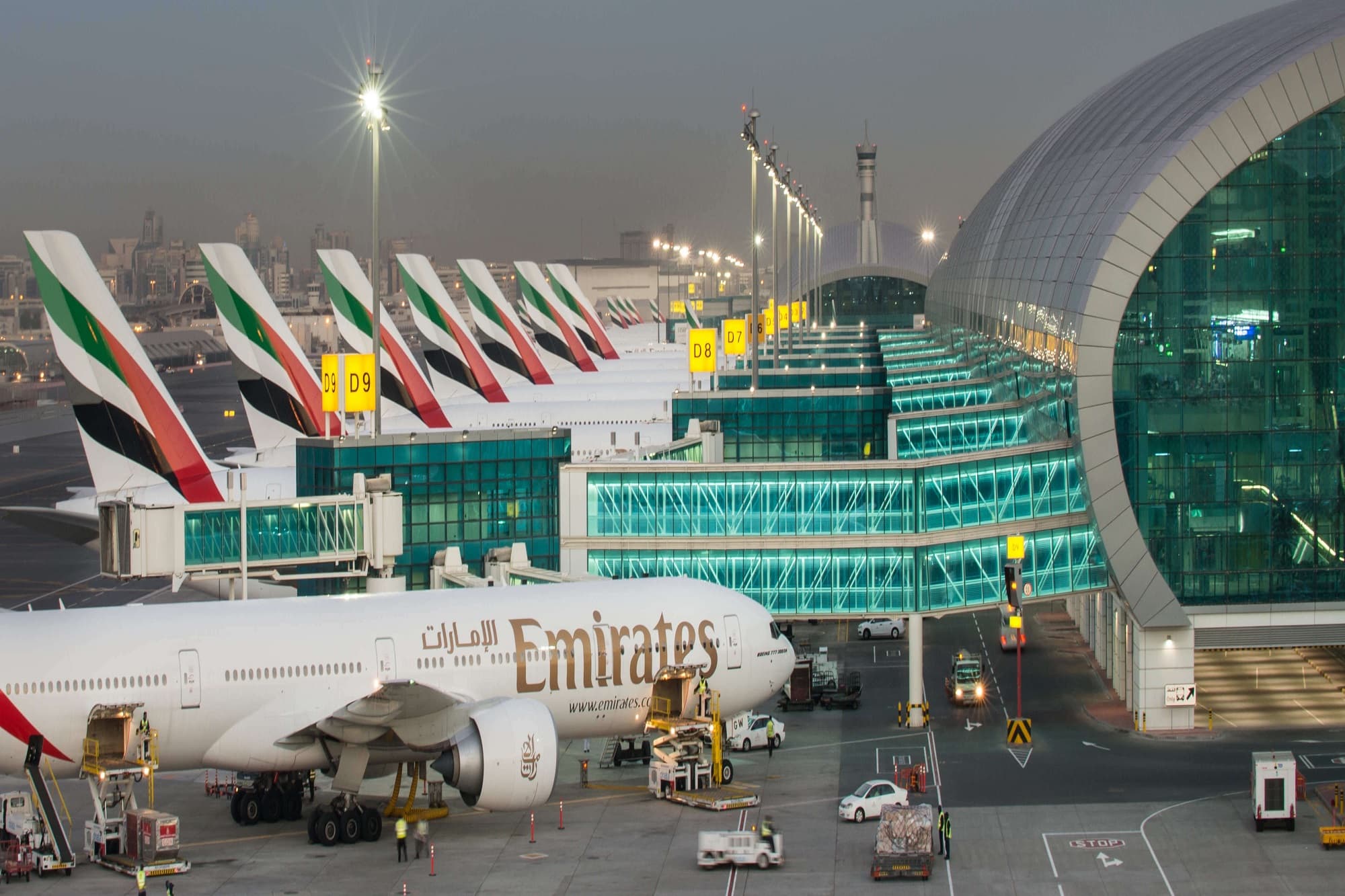
Iranian Drone Strike Shuts Dubai International Airport, Thousands Stranded
25 sources compared

Iran Drone Strike Shuts Dubai International Airport, Triggers Global Travel Disruption
16 sources compared

Iran's New Supreme Leader Mojtaba Khamenei Travels to Moscow for Leg Surgery
15 sources compared

Trump Threatens to Delay Xi Summit Over Iran War and Strait of Hormuz
21 sources compared