
U.S.-Israeli Strikes Hit Bushehr Nuclear Plant Third Time In Ten Days
Key Takeaways
- A projectile struck Bushehr plant, third attack in ten days, per Iran's AEOI.
- No casualties or material damage reported; plant operations continued without disruption.
- IAEA confirmed no damage or radiation risk and urged maximum restraint.
Third Bushehr strike escalates West Asia
Escalation marker: Tehran confirms the Bushehr Nuclear Power Plant has been struck for the third time in ten days, signaling a rapid intensification of American-Israeli strikes on Iran’s civilian nuclear infrastructure.
“Trump said Monday that U”
The Iranian Atomic Energy Organization described the Friday strike as the plant’s third assault, reporting no casualties or material damage.

International monitors warned that such attacks heighten radiological safety risks in the region, with the IAEA urging maximum restraint to prevent a nuclear incident.
Iran frames attack as illegal
Iran’s statements frame the strikes as illegal aggression and demand accountability rather than negotiation.
The Atomic Energy Organization labeled those behind the attack as the criminal American-Zionist enemy, and it warned that attacking peaceful nuclear facilities is a blatant violation of international law.

Iranian outlets and state-linked media also highlighted that such actions threaten regional security, while Iran’s foreign ministry and top officials signaled a heavy price in response and stressed that diplomatic negotiations have not been established on this basis.
Nuclear-safety risk, IAEA cautions
Nuclear-safety risk alongside regional contingency dominates the technical frame.
“ANKARA The Iranian Atomic Energy Organization said Saturday that a projectile struck the Bushehr Nuclear Power Plant in what it described as the third attack on the facility, with no reported casualties or damage”
The IAEA director-general warned that continued attacks on peaceful nuclear facilities could trigger a major radiological incident and urged maximum restraint to avoid nuclear safety risks during conflict.
Independent monitoring outlets in West Asia and Asia also reported no structural damage or injuries at Bushehr, while flagging an ongoing danger if attacks persist and the facility remains vulnerable in a high-intensity theater.
Diplomacy, talks, and off-ramps
Diplomatic dynamics and potential off-ramps surface alongside confirmation of the attack.
Pakistan’s prime minister offered to facilitate talks to end the war, while U.S. and Israeli messaging leaned toward a continuing military campaign, with President Trump publicly asserting that negotiations were underway and that the war could have a diplomatic off-ramp even as a broad coalition maintained pressure.
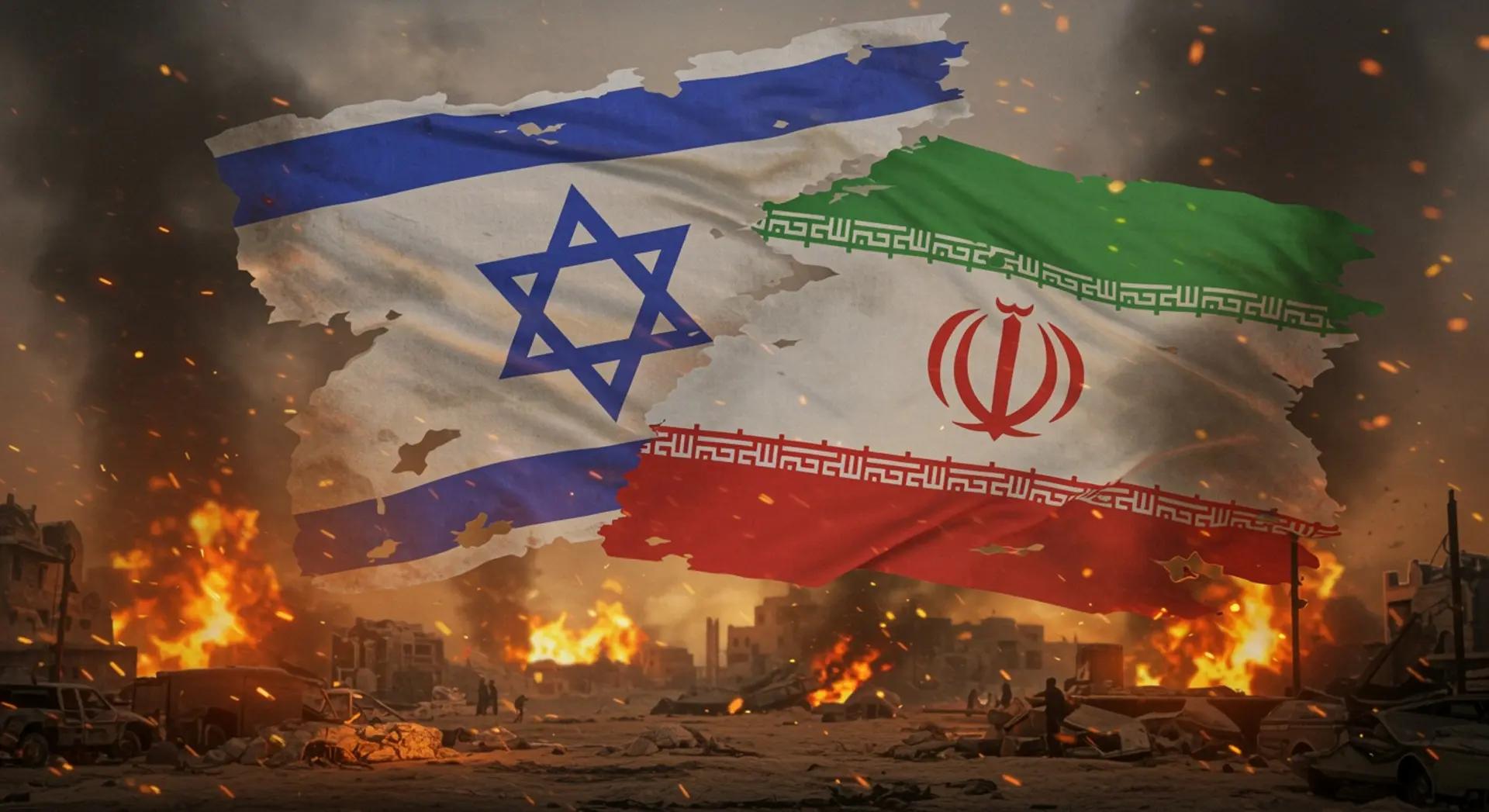
The framing in Western and non-Western outlets diverges: Western reports emphasize negotiations, while Tehran signals readiness to punish aggression and seek accountability.
Regional ripple effects, energy security
Western and non-Western observers note that the Bushehr campaigns, along with missile and drone exchanges across West Asia, have disrupted shipping and heightened energy-price volatility.

Analysts cite broad market ripples and potential price shocks as the region’s security architecture is tested by a wider war, far beyond Iran’s borders.
More on Iran

Iran Strikes Prince Sultan Air Base With Missiles, 29 Drones; Refueling Plane Destroyed, 10–15 Wounded
13 sources compared
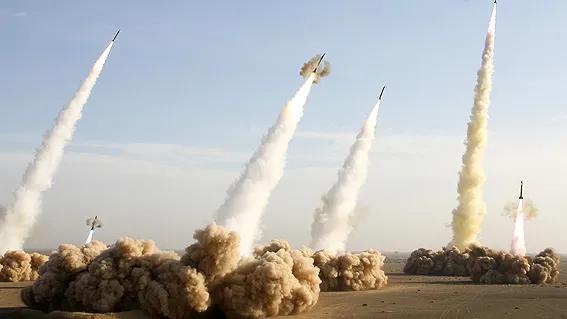
Iran Claims To Have Destroyed Multiple KC-135 Tankers At Prince Sultan Air Base
16 sources compared

U.S. Fires Over 850 Tomahawk Missiles at Iran in Four Weeks, Pentagon Alarmed
11 sources compared
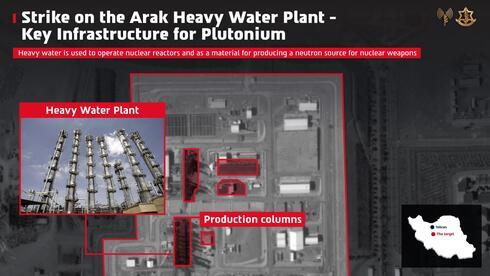
President Trump Extends 10-Day Pause On Iran Energy Strikes To April 6, Sends 15-Point Plan
21 sources compared