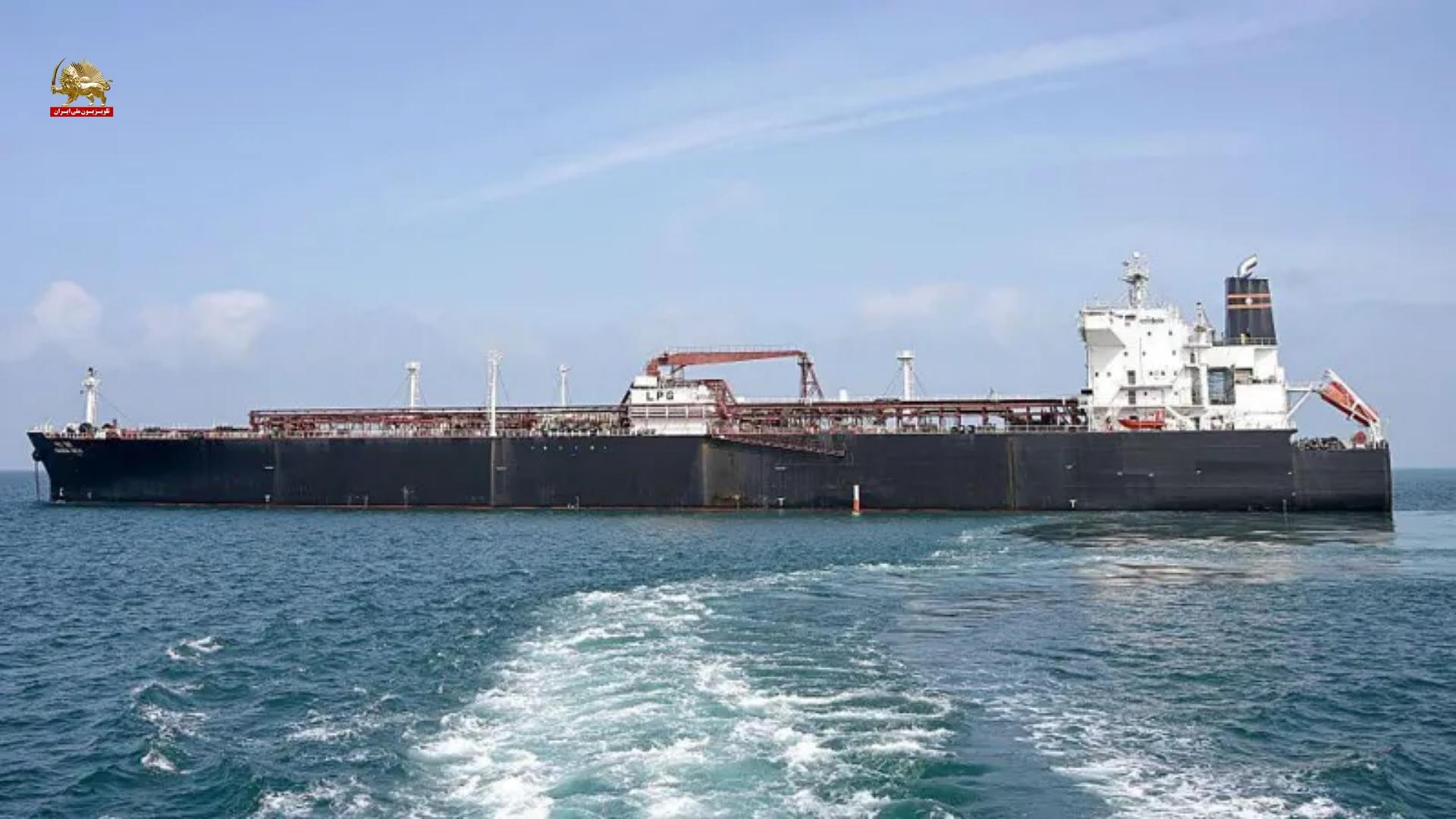
U.S. Lifts Blockade of Iranian Ports as U.S. and Iran Sign Initial Peace Deal
Key Takeaways
- U.S. and Iran sign an initial 14-point memorandum of understanding to end the war.
- Blockade of Iranian ports is lifted as part of the agreement.
- Deal envisions reopening the Strait of Hormuz and broader negotiations within 60 days.
Deal signed; blockade lifted
The United States and Iran signed an initial peace deal to end the war, with the agreement aiming to reopen the Strait of Hormuz and begin a 60-day period of negotiations on a final settlement.
Vice President JD Vance responded to Israeli criticism by telling reporters, “If I was in the cabinet of the Israeli government, I might not be attacking the only powerful ally that I have anywhere left in the entire world,” as the U.S. military said it had lifted a blockade of Iranian ports.

The Washington Post reported that the U.S. military said Thursday it had lifted “the blockade on all maritime traffic entering and exiting Iranian ports and coastal areas,” and a U.S. official said 146 vessels were directed over the span of the blockade, with nine disabled.
CNN said the signed Wednesday agreement would “reopen the Strait of Hormuz immediately” and initiate broader direct negotiations between the U.S. and Iran on issues including Tehran’s nuclear program.
The BBC reported that the deal includes reopening the Strait of Hormuz, a $300bn (£224bn) plan for Iran’s “reconstruction,” and the US terminating “all types of sanctions” on Iran, while the nuclear program remains to be negotiated over the extendable 60-day period.
Israel, Iran, and U.S. reactions
Iran’s supreme leader authorized the signing despite holding a “different view,” and CNN said Ayatollah Seyyed Mojtaba Khamenei told Iran’s state broadcaster IRIB that Trump had “out of desperation, resorted to various forms of pressure and leverage to bring about this outcome.”
In the same reporting, CNN said Iran’s parliament speaker and key negotiator Mohammad Bagher Ghalibaf warned that any breach or excessive demands would be met with a “crushing response,” adding, “They were once slapped during the war; if they wish to tread this path again, they will receive an even harder slap.”

The Washington Post framed Vance’s remarks as a sharp rebuttal to Israeli criticism, quoting him as saying, “Anybody in Israel who thinks their biggest problem is the president of the United States needs to wake up and smell the reality of the situation that country is in.”
The BBC reported that Ghalibaf said in an interview aired on state TV that the Strait of Hormuz “will not return to pre-war conditions,” and suggested Iran would charge ships after the 60-day period lapsed.
CBS News reported that Israel would not withdraw from the security zone in southern Lebanon, quoting Netanyahu saying, “This requires maintaining the security zone in southern Lebanon, and it dictates that we will not withdraw from there as long as Israel's security needs require it.”
What’s at stake next
The agreement’s immediate effect is tied to maritime access, with CBS News saying at least 10 commercial vessels were transiting the Strait of Hormuz Thursday morning and that the signed Wednesday agreement would reopen the strait while direct negotiations begin on contentious issues including Tehran’s nuclear program.
CBS News also reported that the text calls for “the immediate and permanent termination of military operations on all fronts, including in Lebanon,” while Hezbollah said the language means Israeli forces must leave Lebanese territory and would consider it a breach if they don’t.
The Washington Post said the 60-day clock for negotiations over Iran’s nuclear program started ticking Thursday after Trump and Iranian President Masoud Pezeshkian signed the deal a day earlier, and it said those talks are scheduled to begin in Switzerland in coming days.
The BBC reported that Trump defended the proposal as averting an “economic catastrophe” and warned the U.S. would “bomb the hell” out of Iran if no final deal emerged, while also noting the memo leaves open the possibility of future charges for ships through the strait.
In the Guardian’s account, the memorandum is described as deferring the hardest issues, while it also points to a proposed $350bn Iran reconstruction fund and says the memorandum text shows free navigation of the strait could end after 60 days, when Iran would conduct dialogue with Oman about future administration and maritime services.
More on Iran

Trump Signs Iran MOU, Lifts Blockade, Reopens Strait of Hormuz for 60-Day Talks
14 sources compared
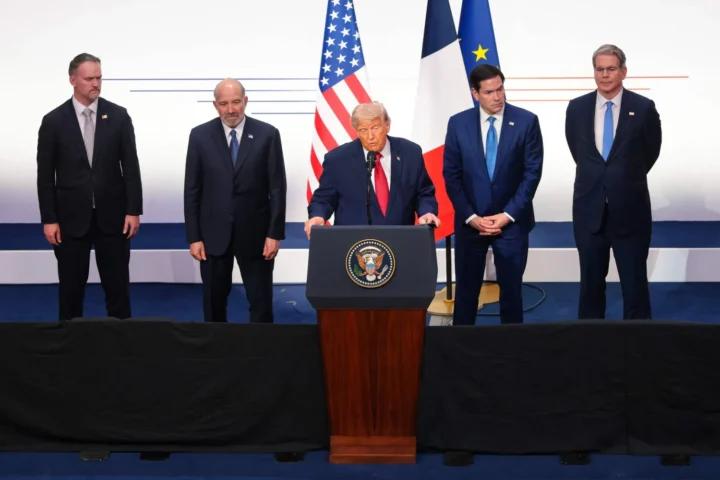
Donald Trump and Masoud Pezeshkian Sign U.S.-Iran MOU to Halt Fighting and Reopen Strait of Hormuz
15 sources compared
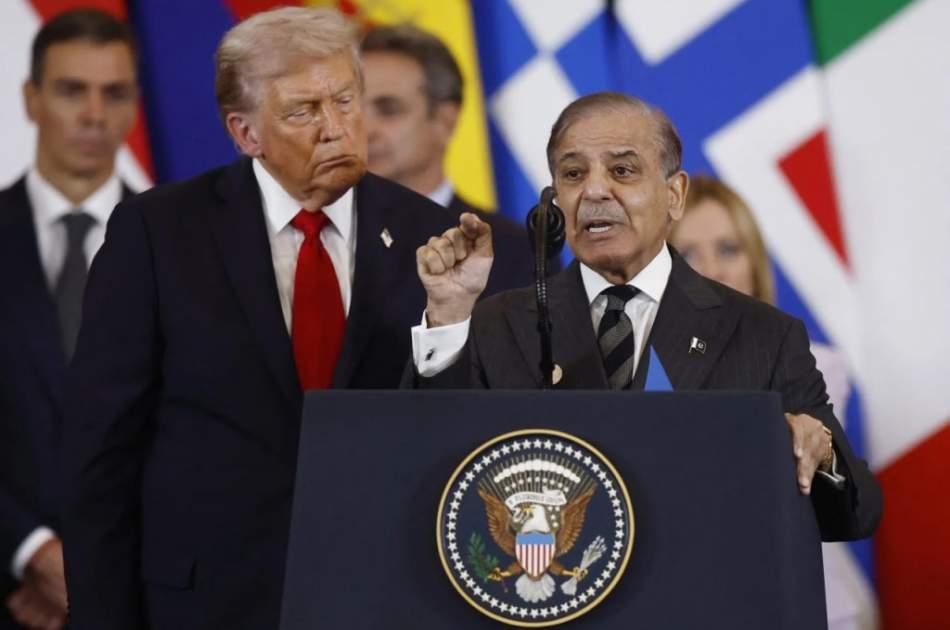
US Lifts Naval Blockade of Iranian Ports as JD Vance Says Oil Flows Through Strait of Hormuz
18 sources compared

Iran’s Supreme National Security Council Exempts Hormuz Transit Fees for 60 Days
28 sources compared