
U.S. Lifts Russian Oil Sanctions; Antonio Costa Says Move Fuels Putin’s War
Key Takeaways
- U.S. issued a 30-day license allowing sale of Russian oil already loaded on vessels.
- U.S. frames the move as a short-term measure to stabilize global energy markets.
- European leaders, Ukraine, and Antonio Costa warn the easing boosts Russia’s revenues and war resources.
What Washington authorised
The U.S. Treasury issued a short-term licence allowing the delivery and sale of Russian crude and petroleum products that were already loaded onto vessels by March 12, a narrow waiver meant to ease a sudden oil supply shock from the war involving the United States, Israel and Iran.
“The ongoing crisis in the region has severely affected activity in the Strait of Hormuz, a key shipping route through which roughly one-fifth of the world’s oil supply typically passes”
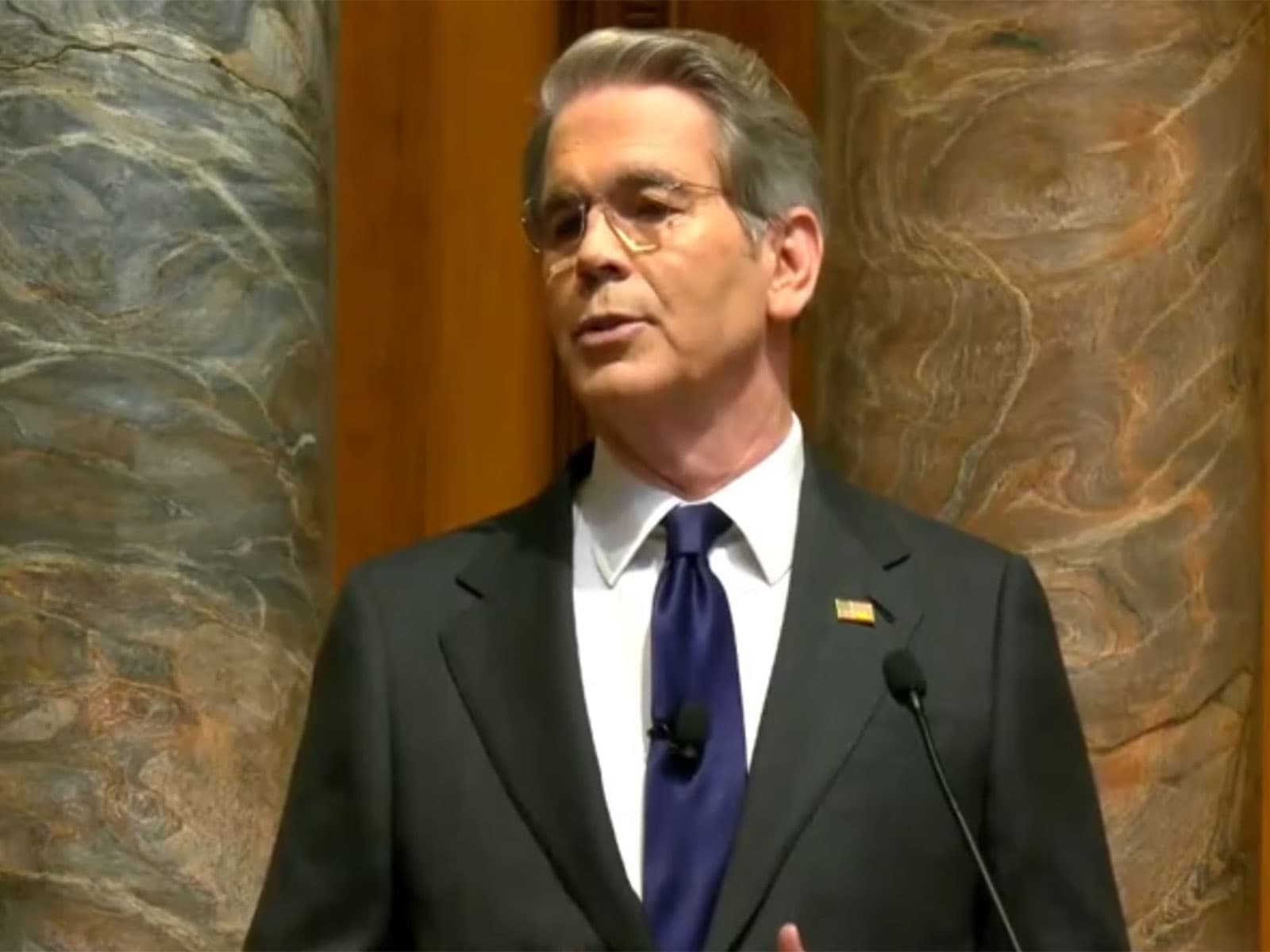
Treasury Secretary Scott Bessent framed the move as limited and stabilising, saying the waiver "applies only to oil already in transit and will not provide significant financial benefit to the Russian government," and noting it was part of "decisive steps to promote stability in global energy markets".

The licence runs for 30 days, effectively permitting shipments loaded on or before Mar. 12 to be sold through Apr. 11, and U.S. officials emphasised the measure was intended to soothe markets disrupted by attacks in the Gulf and the effective closure of the Strait of Hormuz.
U.S. justification
U.S. officials and the White House argued the waiver was narrowly tailored and would not meaningfully bolster Kremlin finances, with Bessent asserting that most Russian energy revenue "derives the majority of its energy revenue from taxes assessed at the point of extraction" and thus that allowing sale of oil already loaded would not give Moscow major new income.
The administration paired the licence with other market measures — including tapping the Strategic Petroleum Reserve — and framed the actions as part of President Donald Trump's pro-energy agenda to lower prices and stabilise supply amid the Middle East disruptions.
Allied backlash
European leaders and Ukraine reacted strongly, saying the waiver undermines collective sanctions pressure and risks refilling Russia's "war chest."
European Council President António Costa warned the U.S. move "raises serious concern because it affects European security," while German Chancellor Friedrich Merz and other NATO allies publicly criticised Washington for taking the step unilaterally.
Ukrainian President Volodymyr Zelensky said easing sanctions "will, in any case, lead to a strengthening of Russia’s position" and warned possible extra revenues could be used to buy weapons.
Russian response and impact
Moscow and its economic envoys framed the waiver as pragmatic and welcomed the relief; Kirill Dmitriev said Washington was "effectively acknowledging the obvious: without Russian oil, the global energy market cannot remain stable" and Russian officials highlighted that about 100-125 million barrels were already at sea and could now be sold.
Analysts and watchdogs offered divergent estimates of the financial effect — some Ukrainian and Western commentators warned the move could yield as much as roughly $10 billion for Moscow if disruptions persisted, while other research groups put lower figures but still warned the waiver would allow Russia to clear some stocks and gain market leverage.
Market reaction
Markets reacted unevenly: prices briefly eased after the licence announcement but then rose again as supply fears and the effective closure of the Strait of Hormuz kept Brent crude above $100 a barrel.
“US easing of Russia oil sanctions draws criticism The US has loosened sanctions preventing other countries buying Russian oil and petroleum already loaded on vessels at sea to try to ease the energy supply crunch sparked by the US-Israel war with Iran”
Observers warned the waiver was a narrow fix that would not solve the deeper disruption to flows from the Gulf, and analysts cautioned that if the Iran-linked conflict lasted longer the short-term authorisation could materially ease pressure on Russian oil revenues and prolong the broader geopolitical strains on energy markets.

More on Russia
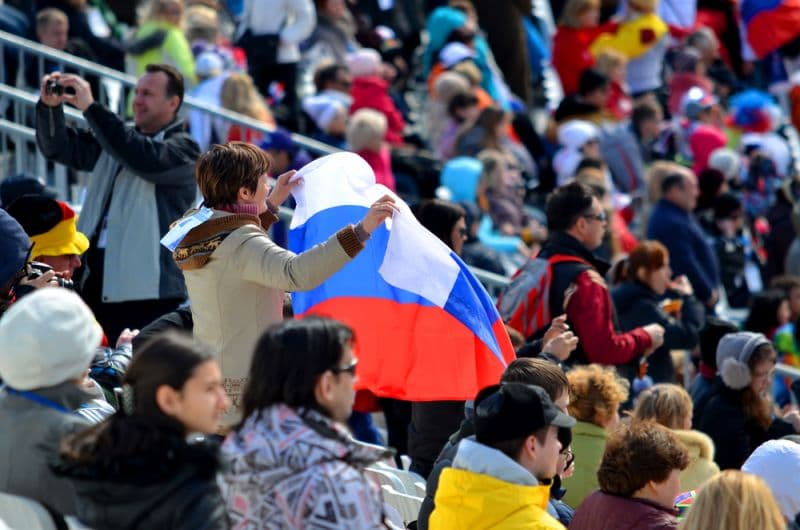
UK Government Boycotts Opening Ceremony After IPC Allows Russian, Belarusian Flags
13 sources compared
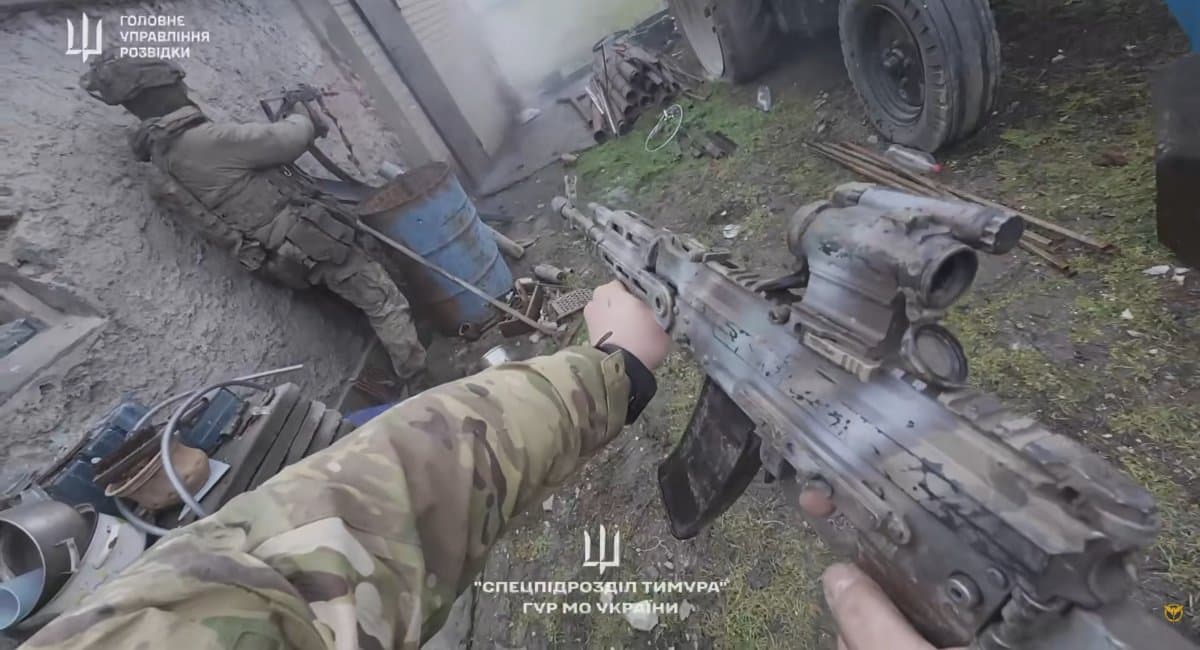
Ukrainian Forces Halt Russian Advance Toward Zaporizhzhia; HUR Claims 300 Russian Casualties
12 sources compared

Russia Kills at Least 10 in Kharkiv Apartment Missile Strike, Including Two Children
19 sources compared
Putin Urges Immediate Halt, Condemns Israeli-American Attacks on Iran After Heavy Civilian Casualties
16 sources compared