
US Military Not Ready to Escort Tankers Through Strait of Hormuz, Focused on Striking Iran
Key Takeaways
- U.S. military is currently not ready to escort tankers through the Strait of Hormuz
- U.S. military assets are focused on striking Iran, limiting escort capabilities
- Officials expect naval escorts to begin soon, potentially by the end of the month
Why US says “not ready”
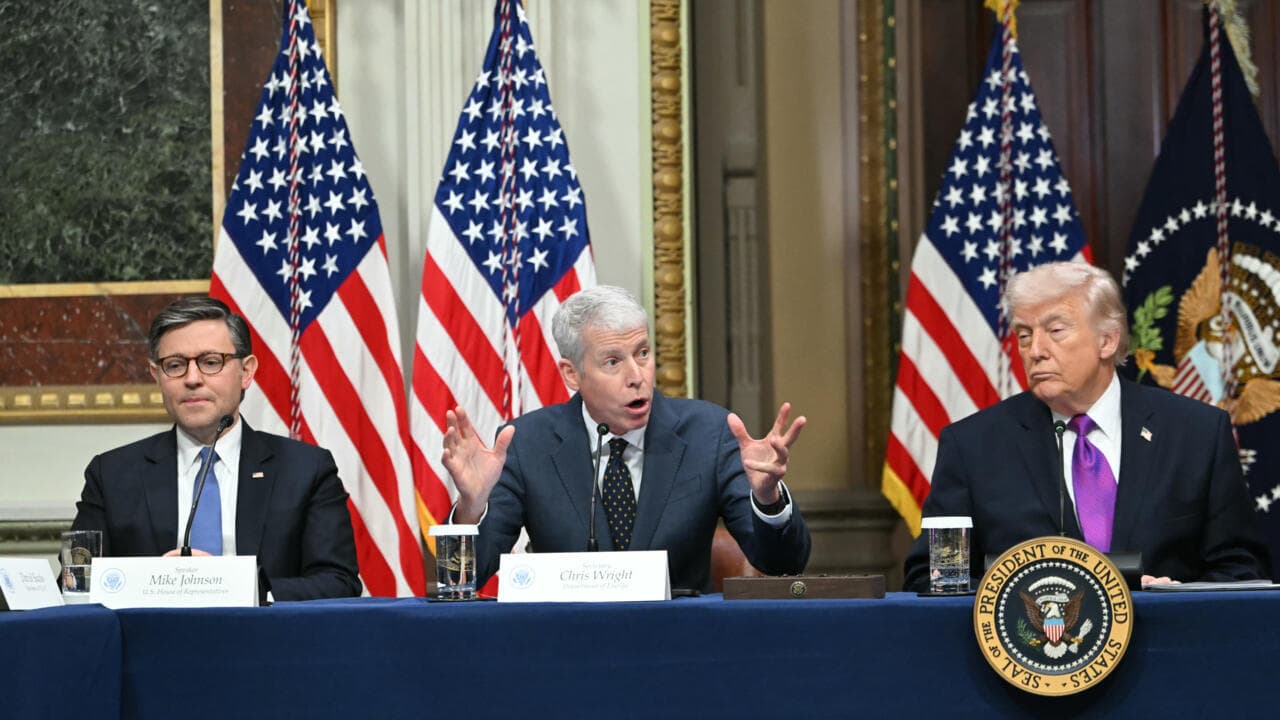
U.S. Energy Secretary Chris Wright told reporters that the U.S. military is “not ready” to escort tankers through the Strait of Hormuz because its forces are concentrated on striking Iran, a statement that reflects the Pentagon’s current prioritisation of offensive operations over convoy protection.
“Energy Secretary Chris Wright on Thursday said that while the U”
Wright said the military is focused on eliminating Iran’s offensive capacities and the industry that supplies them, while also acknowledging on television that escorts “can’t happen now” even if they may be possible “relatively soon.”

Officials and briefings have also corrected public claims about escorts, with the White House confirming the Navy “has not escorted a tanker or a vessel at this time,” underscoring the gap between public statements and operational reality.
Strait security collapse
The security environment in and around the Strait of Hormuz has deteriorated sharply: attacks on tankers off Iraq have killed at least one person and prompted a halt in traffic through a passage that transits about 20% of the world’s oil supply, driving Brent prices briefly above $100 a barrel.
Iranian officials have signalled they will use the strait as a lever, with a senior Revolutionary Guards adviser saying the Strait of Hormuz is closed and will remain a “tool of pressure,” while Tehran also warned oil could spike to $200 per barrel.
Media and shipping sources report that transit has largely stopped since strikes began on Feb. 28.
When escorts become feasible
U.S. officials and outside analysts describe a possible but conditional path to escorted transits: Wright suggested escorts could be on the table “in the near future” and even projected they might be possible by month’s end, while military leaders said they are evaluating options and required resources and risks.
Experts quoted in coverage warned escorts would demand substantial elimination of Iran’s offensive installations, persistent monitoring, and high levels of intelligence and unmanned and manned assets.
One analyst estimated a seven- to ten-day initial timeline once conditions permit.
Operational difficulties
Analysts stress that escorts would face hard operational challenges because Iran retains multiple maritime threat options that are difficult for warships to counter, including fast-attack craft with rockets and small missiles, mines possibly laid covertly, and uncrewed surface systems; these capabilities complicate simple convoy solutions and support Pentagon caution.
U.S. military leaders say any escort mission would require air, sea and unmanned assets and careful command-and-control planning to mitigate risks before resuming commercial transits.
Economic & messaging impact
The disruption has immediate economic and communications consequences: crude shipping firms and industry sources say they are reluctant to be the first to resume transits even with escorts, while a deleted social post and subsequent administration statement highlighted confusion in public messaging about naval protection.
“Energy Secretary Chris Wright on Thursday said that while the U”
Coverage links elevated oil prices and warnings of much higher spikes to the current standoff, and U.S. officials stress that any decision to escort would be weighed against resource needs, risks, and long-term strategic objectives.
More on Iran
US Bombs Military Sites on Iran's Kharg Island
10 sources compared
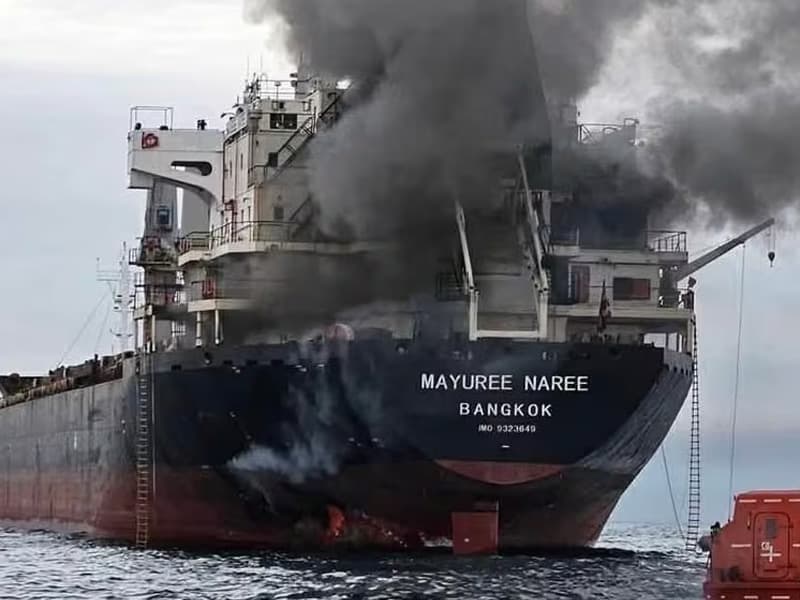
Iran Closes Strait of Hormuz, Chokes Global Shipping and Pushes U.S. Retail Prices Higher
41 sources compared
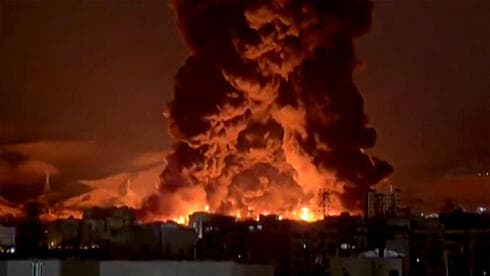
President Donald Trump Orders US Bombing of Iran's Kharg Island, Says Targets 'Totally Obliterated'
18 sources compared
US obliterates military targets on Iran’s Kharg Island, Trump warns
13 sources compared