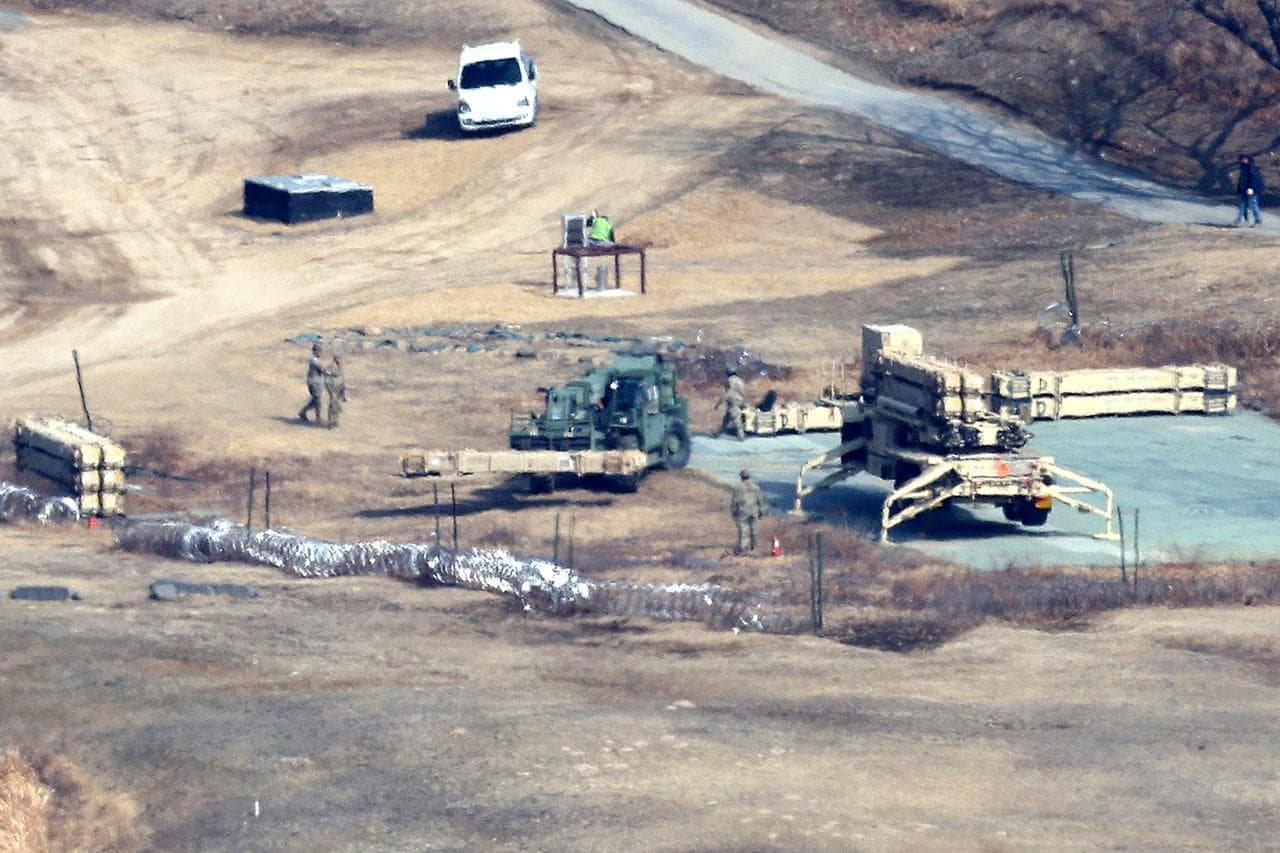
US Moves THAAD-Linked Vehicles Out Of South Korea Toward Middle East
Key Takeaways
- U.S. moving THAAD-linked vehicles and system parts from South Korea toward the Middle East
- U.S. cites intensifying war with Iran to justify redeploying missile defenses to the Middle East
- Seoul warns the redeployment could create a high-altitude defense gap in South Korea
Reports and footage
Multiple news outlets published footage and reports showing U.S. military vehicles in South Korea that experts and officials linked to THAAD systems, amid wider reporting that parts of those systems may be moved to the Middle East.
“South Korea’s president said this week that some U”
Türkiye Today reported that “Video obtained by CNN shows U.S. military vehicles associated with transporting a key missile interceptor system moving through South Korea, amid reports that parts of THAAD systems may be redeployed to the Middle East.”

The Global Times said “the Pentagon is reportedly moving parts of the Terminal High Altitude Area Defense (THAAD) anti-missile system from South Korea to the region, due to the intensifying war in Iran.”
The Korea Times noted related reporting that the U.S. military is also drawing on Patriot interceptors to strengthen Middle East defenses, underscoring the broader redeployment of air-defence assets.
Vehicle movement details
The television- and security-camera footage and military reporting gave specific details about the vehicles and local movements while leaving final destinations unclear.
Türkiye Today described the clip as showing “several heavy expanded mobility tactical trucks driving through a street in Soseong-ri” with “the backs of several trucks were covered with tarps, concealing their cargo from view,” and CNN geolocated the video to Soseong-ri near a THAAD radar base.
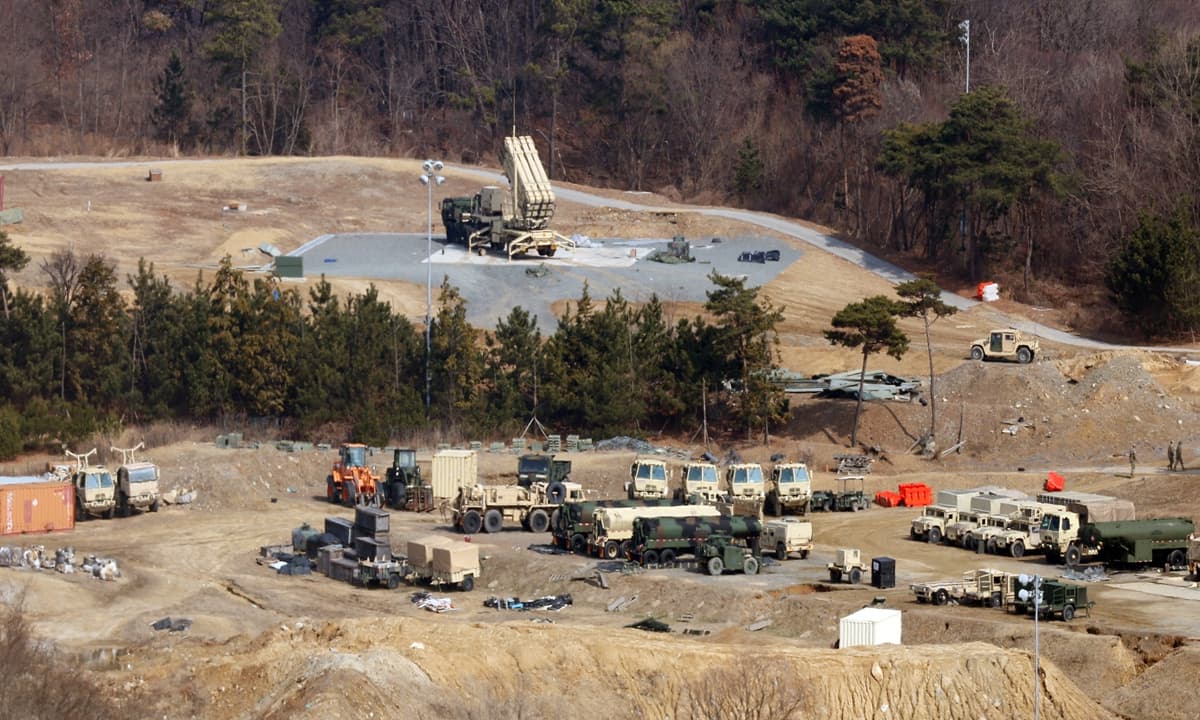
The Korea Times provided complementary reporting on unit movements, saying “six THAAD launcher vehicles that were recently moved from a base in Seongju, North Gyeongsang Province, to Osan Air Base in Pyeongtaek, Gyeonggi Province, have since returned to Seongju after unloading their interceptor missiles,” and that “The missiles are believed to remain at Osan and are expected to be transported to the Middle East aboard C-5 or C-17 U.S. military cargo aircraft.”
Rationale for redeployment
Reporting across outlets tied the redeployment to the wider war in the Middle East and immediate operational needs, including concerns about damage to existing systems.
“It has been almost a decade since the sleepy South Korean village of Seongju was transformed overnight into a key location in the country’s ability to counter an attack from North Korea”
The Global Times said the move was driven by the “intensifying war in Iran” and quoted a Chinese military expert saying the relocation revealed that THAAD units already deployed in the Middle East “have become so ineffective that it must be redeployed from the other region.”
The Korea Times reported the U.S. was also drawing on Patriot interceptors to “strengthen defenses against Iranian drone and ballistic missile attacks,”
Türkiye Today noted the footage surfaced after a Washington Post report that U.S. forces were moving parts of THAAD systems to the Middle East to “strengthen regional air defenses.”
Seoul's reaction
The redeployment has produced political and strategic concern in Seoul and among regional observers about alliance assurance and deterrence.
Global Times reported that the move has “triggered doubts over US' security commitment to South Korea,” and quoted South Korean President Lee as saying that while Seoul had opposed the relocation, “it is an undeniable reality that our stance cannot be fully implemented.”
The Guardian recorded Lee’s attempt to reassure the public, noting he said “If asked whether that would seriously hinder our deterrence strategy against North Korea, I can say with certainty that it would not,” but also relayed analysts who warned that the weakening of US defences could prompt miscalculations.
Strategic consequences and uncertainty
Observers said the episode raises broader strategic questions about U.S. force posture and partner reliance, and many details about the transfers remain unconfirmed.
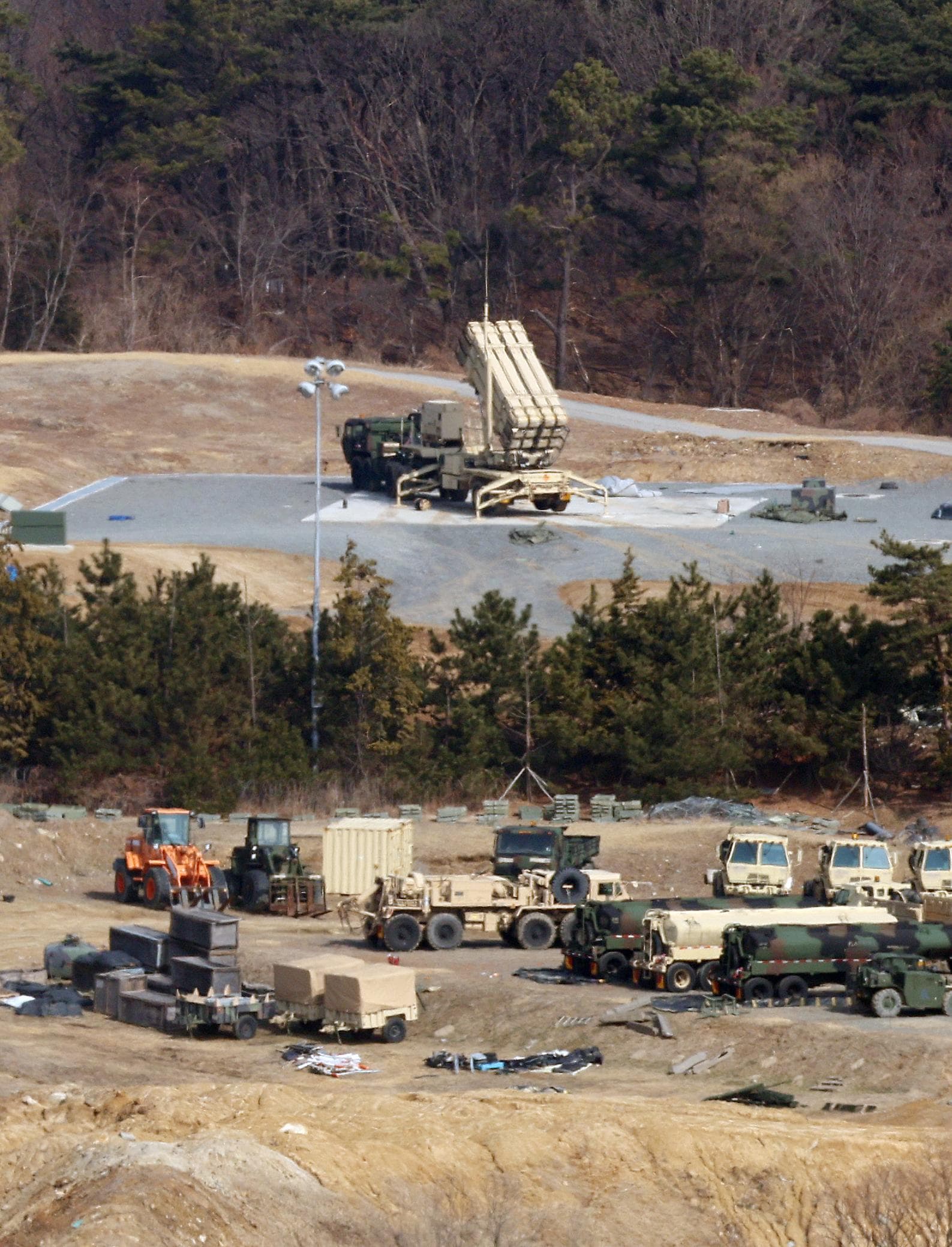
“THAAD redeployment sparks fears of high-altitude defense gap in South Korea A launcher for a U”
The Guardian highlighted concerns that the redeployment could be seen as a downgrading of US commitment to Northeast Asia and warned allies such as Japan would need to adapt,
while the Global Times quoted critics asking why South Korea should have invested political capital in a system that could be removed.
Türkiye Today underlined that some reporting could not confirm final destinations, noting CNN “said it could not immediately confirm the final destination of the trucks seen in the video,” leaving uncertainties about the scale and permanence of the movements.
More on Iran
US Bombs Military Sites on Iran's Kharg Island
10 sources compared
Iran Closes Strait of Hormuz, Chokes Global Shipping and Pushes U.S. Retail Prices Higher
41 sources compared
President Donald Trump Orders US Bombing of Iran's Kharg Island, Says Targets 'Totally Obliterated'
18 sources compared
US obliterates military targets on Iran’s Kharg Island, Trump warns
13 sources compared