
US Naval Blockade Halts Iranian Ports While Iran Bypasses With Offshore Oil Transfers
Key Takeaways
- U.S. blockade of Iranian ports is fully implemented, halting most maritime trade.
- Pakistan proposes hosting a second round of US-Iran talks.
- Mediators include Pakistan, France, and Qatar urging talks.
US-Iran Strait of Hormuz Blockade
The United States imposed a naval blockade on Iranian ports and coastal areas in the Strait of Hormuz on April 13.
“Tehran, Iran – Iranian authorities say a continued United States naval blockade in the Strait of Hormuz could end the current pause in fighting as mediators try to secure a diplomatic solution”
CENTCOM Commander Adm. Brad Cooper claimed the blockade had completely halted economic trade going into and out of Iran by sea within 36 hours.

Iran's Foreign Ministry spokesman Esmail Baghaei responded that Iran is not blockadable and warned the move could be considered a prelude to violating the ceasefire.
CBS News documented multiple vessels transiting the Strait after the blockade began, including the crude oil tanker Alicia.
Windward AI reported at least 11 tankers carrying approximately 20 million barrels of Iranian oil positioned offshore Malaysia within a ship-to-ship transfer hub.
The Guardian noted the blockade's legal ambiguity, as blockading an international waterway like the Strait of Hormuz is illegal under maritime law.
Iran's Defiance and Regional Reactions
Iran responded to the blockade with defiance.
Major General Ali Abdollahi warned that continued US naval blockade will constitute a prelude to a violation of the ceasefire.

Abdollahi declared that the powerful armed forces of Iran will not allow any exports or imports to continue in the area of the Persian Gulf, the Sea of Oman and the Red Sea.
The blockade came amid ongoing diplomatic efforts, with Pakistan's military chief and interior minister arriving in Iran as part of a delegation.
The Guardian reported that European fashion retailers supplying Rahman Textile faced fresh questions over supply chain oversight as the blockade intensified economic pressure on Iran.
Economic and Diplomatic Fallout
The blockade's economic impact rippled beyond Iran.
CNBC reported that roughly 98% of Iranian oil exports were bound for China.
Indian Prime Minister Narendra Modi said India supports de-escalation and restoration of peace at the earliest.
The blockade intensified scrutiny of European brands after the Rahman Textile fire.
Rahman Textile produced clothing for brands including the German retailer Hessen and the Dutch chain BrandBox.
Clean Clothes Campaign spokesperson Ineke Zeldenrust told the Guardian that the audit system was fundamentally broken.
Blockade Enforcement and Legal Ambiguity
CENTCOM released audio recordings warning vessels not to breach the blockade.
Vessels will be boarded for interdiction and seizure transiting to or from an Iranian port.

The blockade was enforced by approximately 12 warships, over 100 aircraft and more than 10,000 personnel.
The Institute for the Study of War noted that the US blockade does not have a defined geographic boundary.
The Guardian highlighted the legal ambiguity, noting that blockading an international waterway is illegal under maritime law.
More on Iran
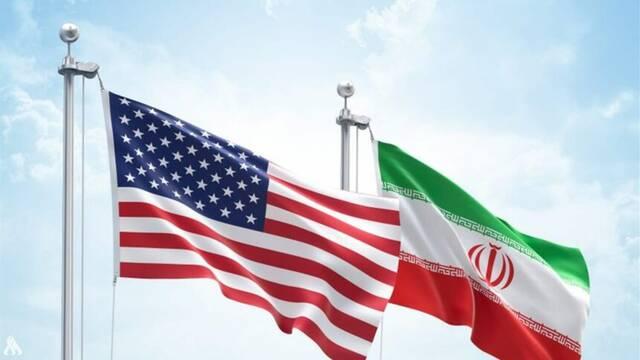
Iran Threatens To Block Red Sea And Persian Gulf Shipping Over US Naval Blockade
23 sources compared

Iran Threatens to Block Red Sea and Persian Gulf Trade Over US Naval Blockade
12 sources compared
Iran Threatens To Block Persian Gulf, Red Sea Trade If US Naval Blockade Continues
21 sources compared
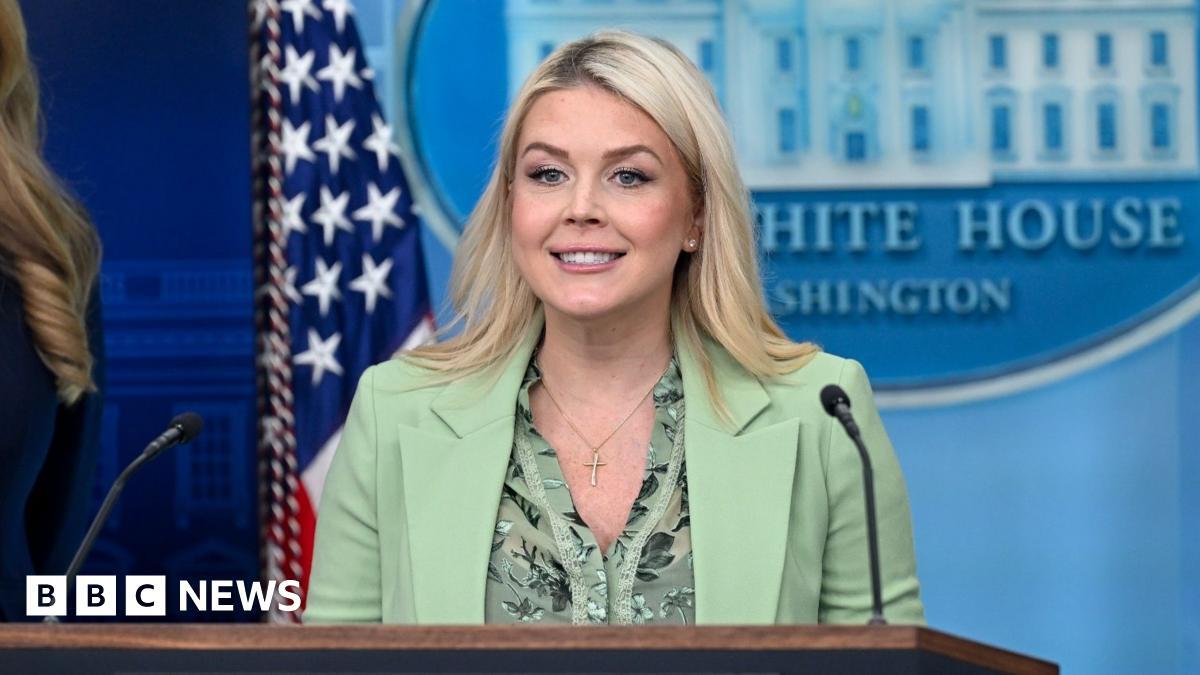
Trump Administration Optimistic as Pakistan Mediates Ongoing Iran Peace Talks
14 sources compared