Iran15 April, 20262 min read
Iran Threatens to Block Red Sea and Persian Gulf Trade Over US Naval Blockade
Iran's military warns it will block Gulf and Red Sea trade if U.S. blockade persists. Blocking could affect Bab el-Mandeb and global oil shipments, risking worldwide price spikes.

Iran Threatens Regional Blockade
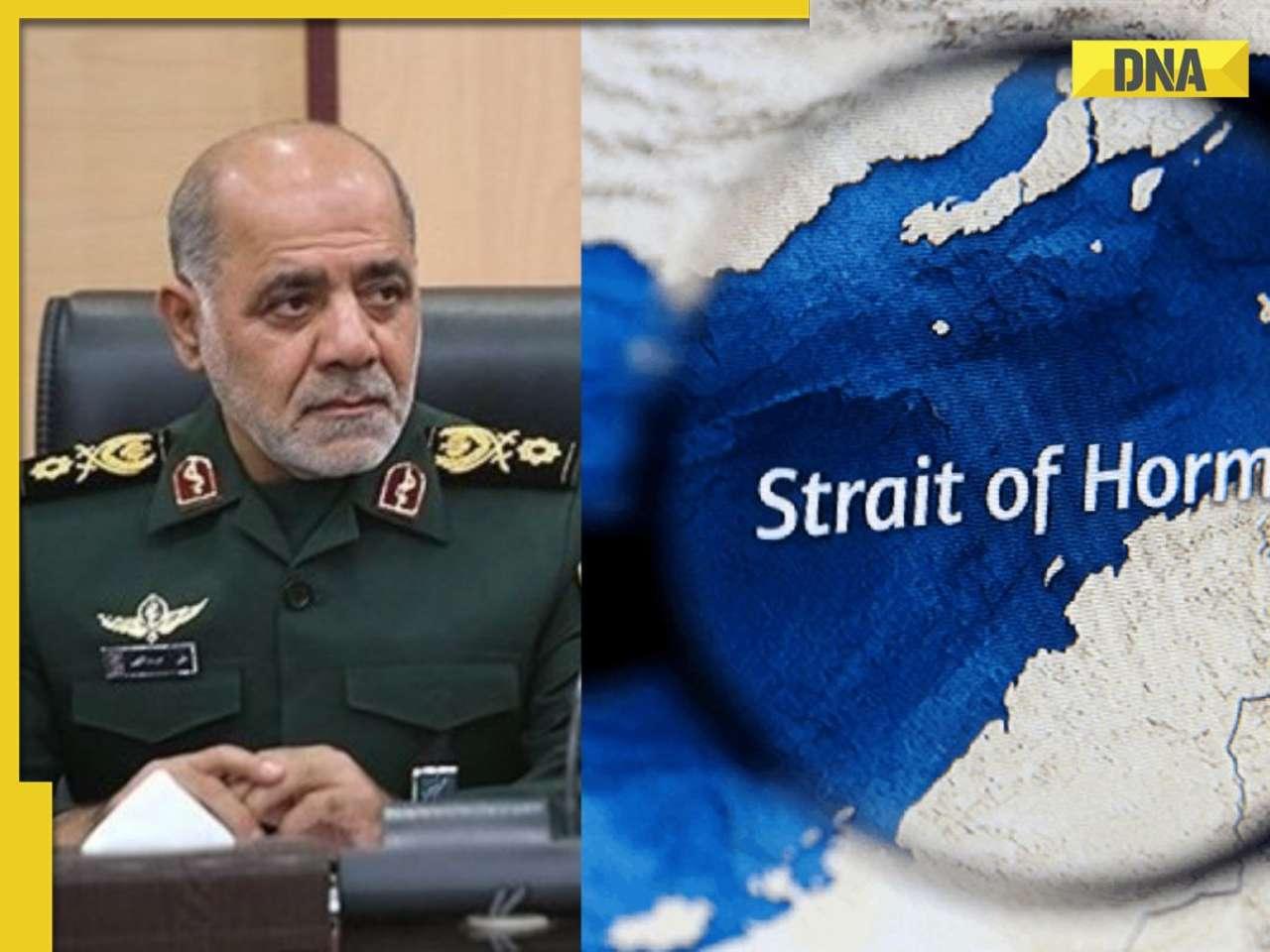
Iran's military issued a stark threat to block all trade routes across the Persian Gulf, the Sea of Oman, and the Red Sea if the US does not lift its naval blockade. Major General Ali Abdollahi declared that the powerful armed forces of the Islamic republic will not allow any exports or imports to continue. The threat came after the US began enforcing a blockade of Iranian ports on April 13.
Centcom commander Admiral Brad Cooper said US forces have completely halted economic trade going into and out of Iran by sea. The Iranian threat extended beyond the Persian Gulf to the Red Sea, a critical global trade route.

Blockade Enforcement and Retaliation
The US blockade began with American warships issuing warnings to six vessels in the first 24 hours. Fox News reported that nine vessels had been stopped by US forces, all oil tankers. The blockade targeted Iranian-linked trade, not neutral shipping.
Iran responded by threatening to block trade across a much wider area, including the Red Sea. Iran's ambassador to the UN called the blockade a grave violation of sovereignty.
Red Sea Stakes and Regional Impact
The Red Sea is a vital artery for global trade, connecting the Mediterranean to the Indian Ocean. Approximately 10% of global maritime trade passes through the Bab el-Mandeb Strait. Even minor interruptions can lead to higher freight costs and delivery delays.
If Iran extends its blockade to the Red Sea, it could disrupt oil exports from Saudi ports like Yanbu. The Israeli military raised its readiness in the Red Sea amid escalating Houthi threats.
Diplomatic Backdrop and Negotiations
The threat came amid ongoing diplomatic efforts to extend the two-week ceasefire.
In-person talks between the US and Iran could resume as early as the week of April 15.

Trump said the war was very close to over.
Pakistan's Field Marshal Gen. Asim Munir played a key role as a mediator.
Trump had sent a letter to Xi Jinping asking China not to supply weapons to Tehran.
Economic and Global Consequences
The blockade and Iran's retaliatory threats have sent shockwaves through global markets. The crisis could evolve into a prolonged disruption affecting global trade flows for months or even years. European fashion retailers were facing fresh questions over supply chain oversight after the Rahman Textile factory fire.
Analysts cautioned that sustained instability could slow global economic growth. The stakes are high for the stability of the global economy.