Iran16 April, 20266 min read
Iran Declares Strait of Hormuz Open as Trump Keeps U.S. Blockade in Force
Iran declares Strait of Hormuz completely open to commercial shipping. U.S. blockade on Iran remains in force until a peace deal is reached.
Hormuz declared open
Iran’s foreign minister Abbas Araghchi said the Strait of Hormuz “is declared completely open” for commercial vessels for the remaining period of the ceasefire, while President Donald Trump said the U.S. blockade of Iranian ports “will remain in full force” until the two sides reach a peace deal. NBC News reported that Araghchi said ships “will have to use a coordinated route,” and that the move was made “in line with the Israel-Lebanon ceasefire.” NBC News also said Iran threatened “necessary measures” if the blockade is not lifted, and it quoted Iran’s parliament speaker Mohammad Bagher Ghalibaf warning that “If the blockade continues, the Strait of Hormuz will not remain open.”
In parallel, The New York Times reported that Iran’s foreign minister said on Friday the strait was “completely open” for all commercial ships, but it said uncertainty remained after Trump declared the U.S. blockade of Iran’s ports would remain in place. The New York Times added that Iran’s top negotiator said the strait would close if the United States continued its blockade, and it described Trump’s public comments as raising hopes negotiations were going well enough to sustain the cease-fire. Reuters described the same moment as Tehran reopening the strait while Trump said a deal would come “soon,” and it framed the development as part of fast-moving live updates around the cease-fire and negotiations.
Talks shift to Pakistan
As Iran and the United States traded signals over the Strait of Hormuz, CNN reported that the next round of U.S.-Iran talks would take place in Pakistan on Monday, with Iranian sources saying U.S. and Iranian delegations were expected to arrive in Pakistan this weekend and hold negotiations Monday. CNN also said the U.S. hadn’t confirmed talks were scheduled, while it described sticking points remaining even as Trump expressed confidence Friday that the sides were close to a deal. The New York Times said Trump’s public comments raised hopes negotiations were going well enough to sustain the cease-fire as they worked on a long-term peace deal, and it reported that Trump said U.S. and Iranian teams would probably meet this weekend for a second round of talks.
Axios reported that U.S. and Iranian negotiators made progress in talks on Tuesday and were inching toward a framework agreement, and it said the two adversaries were trying to bridge remaining gaps before the ceasefire expires on April 21. Axios also said a new round of direct in-person talks would likely take place in the coming days before the ceasefire expires, but that no date had been set. Al Jazeera’s report said Pakistan hosts the first direct U.S.–Iranian talks since the start of the war and cited sources saying Friday’s meeting in Pakistan would be the first face-to-face talks between Americans and Iranians since the start of the war.
Claims, denials, and “false”
The negotiations and the strait’s status were accompanied by competing claims from Washington and Tehran, with multiple outlets highlighting disputes over what Trump said and what Iranian officials denied. NBC News reported that Iran’s parliament speaker Mohammad Bagher Ghalibaf wrote on X that Trump “made 7 claims in one hour, all 7 of which are false,” and it quoted Ghalibaf adding that “Whether the strait is open or closed, and the rules governing it, are determined in the field, not by social media.” CNN similarly said Ghalibaf warned that the strait will close again if the U.S. doesn’t lift its naval blockade, and it repeated that he dismissed Trump’s claims as “false,” adding that he said “seven claims in one hour, all seven of which were false.”
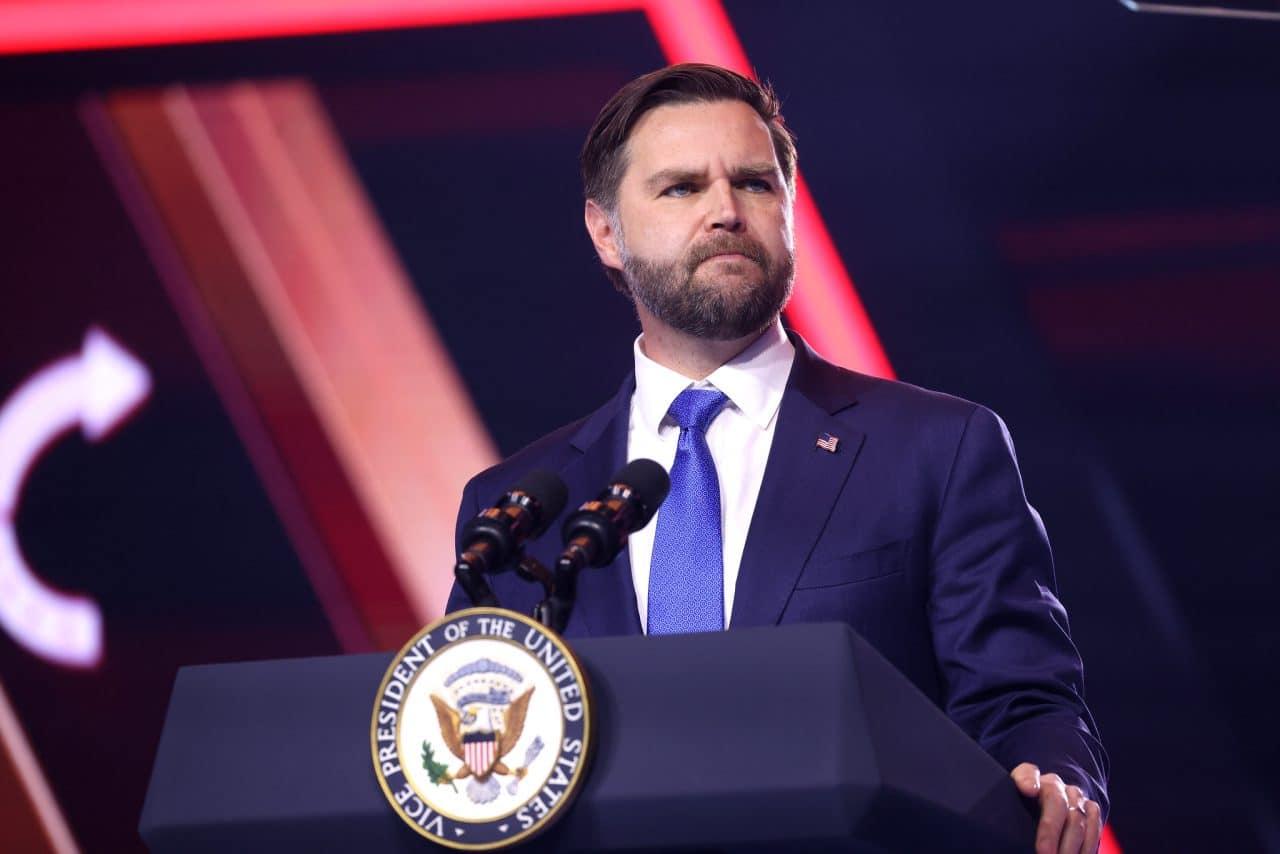
The New York Times described Trump’s media statements as including claims that Iran agreed to never close the Strait of Hormuz again and that the country would coordinate with the United States to send its enriched nuclear stockpile abroad, and it said both claims were denied in statements from Iranian officials. The New York Times also reported that Trump had asserted at a Turning Point USA event that Iran would “never have a nuclear weapon,” and it said Iran had previously offered to temporarily suspend uranium enrichment but had said it could never accept Trump’s zero-enrichment position. Mondoweiss argued that the first round of negotiations showed “the challenges ahead,” and it described Vance’s remarks as making clear that “This had not been a serious attempt to reach a deal.”
Ceasefires and the Lebanon link
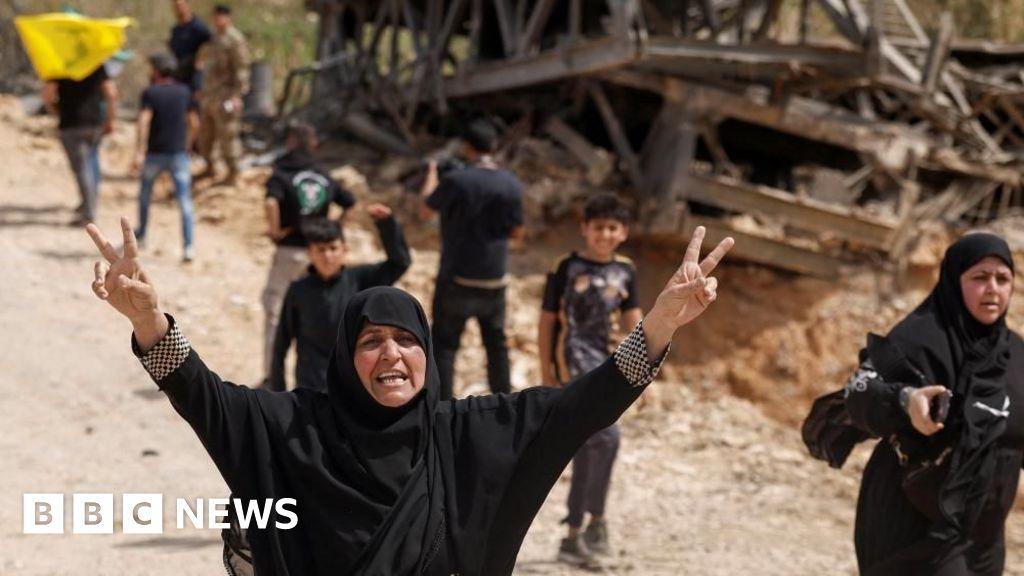
Several reports connected the Iran talks to a separate ceasefire between Israel and Lebanon, describing overlapping diplomatic and military timelines that shaped how each side framed the Strait of Hormuz.
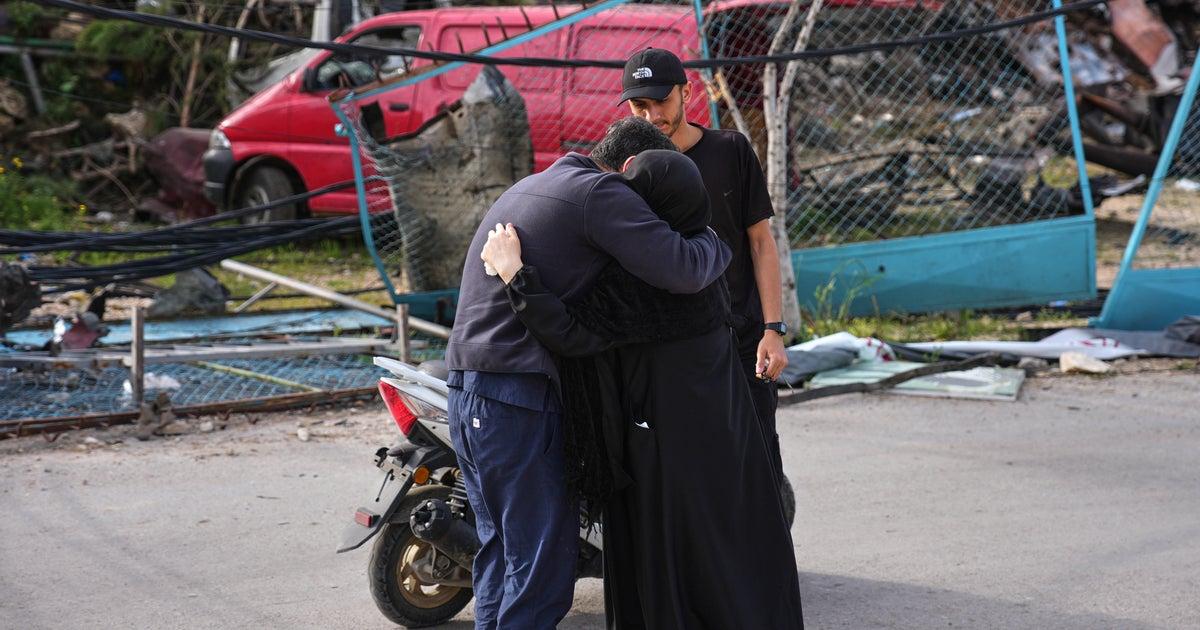
NBC News said a 10-day ceasefire between Israel and Lebanon appeared to be holding, and it reported that Trump said Israel had been “prohibited” from bombing Lebanon by the U.S., while Hezbollah said it was keeping its finger “on the trigger.”
CNN described the Lebanon truce as “a 10-day truce between Israel and Hezbollah appears to be largely holding,” while it also said Lebanon accused Israel of several ceasefire violations.
CBS News said the 10-day truce began at 5 p.m. EDT and that the Lebanese army posted on social media that there had been “a number of violations of the agreement, with several Israeli attacks recorded, in addition to intermittent shelling targeting a number of villages.”
The BBC described Thursday night’s 10-day pause in fighting between Israel and the Iranian-backed militia Hezbollah as “a win for Iran,” and it said Iran had demanded a ceasefire in Lebanon before talks with the U.S. could progress.
The BBC also reported that Iran responded to the pause by declaring the Strait of Hormuz “completely open,” and it quoted Hezbollah’s senior leader Wafiq Safa saying, “Not until a proper ceasefire, a real one. Not until Israeli withdrawal.”
Oil, markets, and next risks
The dispute over the strait and the blockade quickly fed into financial and logistical reporting, with outlets describing oil price moves and shipping behavior alongside the diplomatic timetable.
NBC News said “Stocks surged higher and the price of oil dropped 12% on the news,” while it also said shipping companies reported “outstanding questions that need to be answered.”

CNN reported that only a handful of ships passed through the key waterway Friday despite Iran’s foreign minister saying it was open to commercial vessels, and it said the Iranian parliament speaker warned the strait will close again if the U.S. doesn’t lift its naval blockade.
CNN also reported a Treasury Department waiver allowing the delivery and sale of sanctioned seaborne Russian crude, with the license applying exclusively to Russian crude and petroleum products loaded on vessels as of April 17 and authorizing shipments through May 16, and it noted that a previous license expired on April 11.
The Metals and markets angle appeared in Al-Mutawalli Al-Arabi’s report, which said spot gold was at $4,785.57 per ounce by 1:36 p.m. ET and that U.S. gold futures closed down 0.3% at $4,808.30, while it said traders saw roughly a 32% chance of a U.S. rate cut this year.
Looking ahead, Axios said the ceasefire was set to expire on April 21 and that negotiators were trying to bridge gaps before that deadline, while CNN said the next round was expected in Pakistan on Monday.