
Iran Partially Reopens Airspace, Six Airports Resume Operations for International Transit Flights
Key Takeaways
- Eastern Iran airspace opened for international transit as of 0330 GMT.
- Six Iranian airports resumed international flight operations.
- Reopening comes after seven weeks of closure amid US-Israel tensions.
Airspace reopens, cautiously
Iran partially reopened its airspace to international transit flights on Saturday, allowing aircraft to pass through the eastern section of the country for the first time in weeks, according to Iran’s Civil Aviation Authority as cited by multiple outlets.
“Iran partially reopens airspace -- aviation authority [](https://subscribe”
Xinhua reported that Iran “partially reopened its airspace and some airports,” while Madhyamam said “Air routes in the eastern section of the country's airspace are open for international flights transiting through Iran.”
Several reports tied the timing to a specific morning restart, with Madhyamam saying some airports resumed operations at 7 a.m. local time and NDTV Profit adding that the reopening came with airports resuming at 7 a.m. local time (0330 GMT).
Anadolu Ajansı likewise said the reopening was “as of 0330GMT on Saturday,” and Arab News reported that “some airports had also reopened at 7:00 am (0330 GMT).”
Even with the announcement, flight tracking showed limited immediate activity: Madhyamam said flight tracking data showed “limited immediate activity,” while Ukrinform reported that “more than three hours later, flight tracking websites still showed no international flights crossing Iran.”
NDTV Profit similarly said flight-tracking websites showed “limited immediate activity,” and Arab News stated that “more than three hours later, however, flight tracker websites still showed no international flights crossing Iran.”
In the same window, Deutsche Welle data cited by Ukrinform found only one aircraft in Iranian airspace, “a plane from the local airline Mahan Air heading to Muscat,” with the destination airport not specified.
Six airports restart
Alongside the airspace reopening, multiple outlets reported that six Iranian airports resumed operations, with the list of facilities repeated across coverage.
Madhyamam said operations restarted at “six airports,” naming “Imam Khomeini International Airport and Mehrabad International Airport in Tehran,” and adding “Mashhad, Birjand, Gorgan, and Zahedan.”

NDTV Profit likewise said the Association of Iranian Airlines listed airports “now operational include Imam Khomeini International Airport and Mehrabad International Airport in Tehran,” along with “Mashhad, Birjand, Gorgan and Zahedan.”
Anadolu Ajansı reported that “Six Iranian airports have been reopened,” and again specified “Tehran’s Imam Khomeini International Airport and Mehrabad Airport,” plus “Mashhad, Birjand, Gorgan, and Zahedan.”
Several reports described the reopening as gradual rather than instantaneous: MVNU said “operations will gradually resume” and that international flights are authorized to transit through Iranian airspace “on routes located in the east of the country.”
MVNU further said the “full resumption of operations will depend on the technical and operational readiness of the civil and military sectors responsible for airport management,” and that the reopening was decided after “an assessment of security conditions by the civil and military coordination committee.”
Anadolu Ajansı similarly said flight operations “will be progressively restored, depending on the technical and operational readiness of both military and civilian authorities, in order to resume passenger services for the public.”
Ceasefire and the wider conflict
The partial reopening was reported as occurring while a “fragile ceasefire continues to hold” in the broader conflict involving the United States and Israel, according to NDTV Profit.
“Print Edition Read pdf version Home {{tree}} {{link”
NDTV Profit said the reopening of eastern Iranian airspace came “as a fragile ceasefire continues to hold in the broader conflict involving the United States and Israel,” and it connected the airspace closure to strikes that began on February 28.
Madhyamam likewise said the reopening came “as a fragile ceasefire continues to hold in the wider conflict involving the United States and Israel,” and stated Iran’s airspace had remained closed since “February 28, when US and Israeli strikes on the country began.”
MVNU added a longer timeline, saying Iran’s airspace was closed after “the start of bombing by Israel and the United States of America on February 28,” and that it lasted “for 39 consecutive days,” until “a two-week ceasefire came into force on April 8.”
MVNU also said that ceasefire “expires next Wednesday,” tying the aviation restart to a countdown in the conflict’s timetable.
Anadolu Ajansı said “The war has been on hold since April 8, when Pakistan mediated a two-week ceasefire,” and it added that “Washington and Tehran held talks in Pakistan last weekend towards a lasting peace.”
Ukrinform’s account added a specific earlier trigger, stating that “on February 28 Israel carried out a preemptive strike against Iran,” and it described explosions heard in central Tehran and U.S. President Donald Trump confirming “large-scale combat operations” against Iran.
Strait of Hormuz tensions
Several reports linked Iran’s aviation decision to ongoing tensions over the Strait of Hormuz, describing a shifting stance on the waterway that carries a large share of global oil trade.
India Today said the development came “amid tensions between Iran and the US flared up over the Strait of Hormuz,” and it quoted Tehran saying on Saturday that it was “reimposing strict military controls on the vital route.”
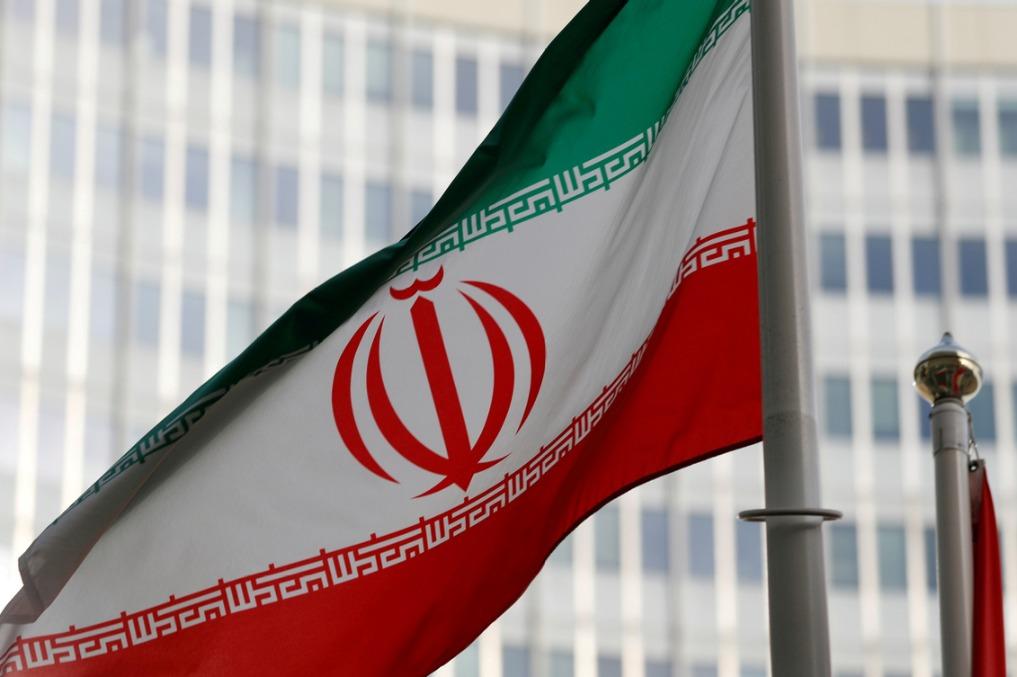
India Today described the route as “responsible for a fifth of global oil trade,” and it said Iran’s shifting stance “has deepened uncertainty over whether traffic will be allowed to continue through it.”
India Today also reported that Iran had announced a “temporary reopening of the Strait of Hormuz following a US-brokered 10-day ceasefire agreement between Israel and Lebanon,” but “it changed its stance a day later, blaming the US for violating the ceasefire under the guise of a blockade.”
It further said Iran’s joint military command stated on Saturday that “control of the Strait of Hormuz has reverted to its previous status,” and that the waterway was “now under strict supervision of the armed forces.”
The same report said Iran warned it “would continue to block transit through the strait as long as the US blockade of Iranian ports remained in effect,” and it added that U.S. President Donald Trump warned the ceasefire with Iran could be terminated if a broader agreement to end hostilities is not reached by Wednesday.
Türkiye Today offered a different angle on the Hormuz issue, saying the development came “a day after Iran said the Strait of Hormuz, a vital waterway that once carried 20% of the world’s oil, was fully open to commercial shipping.”
International flights still absent
Despite the reopening announcement, multiple outlets described a lack of immediate international traffic over Iranian airspace, with flight tracking showing no crossings for hours and carriers avoiding the area.
“Search HOME CHINA WORLD BUSINESS CULTURE TRAVEL VIDEO SPORTS OPINION REGIONAL MOBILE 中文双语Français HOME CHINA WORLD BUSINESS CULTURE TRAVEL VIDEO SPORTS OPINION REGIONAL China Daily E-paper MOBILE World Asia-Pacific Americas Europe Middle East Africa China-US China-Europe China-Japan China-Africa 1”
Ukrinform said that “more than three hours later, flight tracking websites still showed no international flights crossing Iran,” and it added that “some aircraft avoiding Iranian airspace and taking large detours.”

Deutsche Welle data cited by Ukrinform found only “one aircraft” in Iranian airspace, “a plane from the local airline Mahan Air heading to Muscat,” and it noted that “The destination airport for this flight was not specified.”
Arab News likewise reported that “Flight tracker websites still showed no international flights crossing Iran, and several avoiding its airspace by making long detours,” and it repeated that “more than three hours later, however, flight tracker websites still showed no international flights crossing Iran.”
Madhyamam said flight tracking data showed “limited immediate activity,” with “several international carriers still avoiding Iranian airspace and opting for longer alternative routes.”
NDTV Profit echoed that flight-tracking websites showed “limited immediate activity,” and it said “several international carriers still avoiding Iranian airspace and opting for longer routes.”
NDTV Profit also cited Al Jazeera that “flight radar data showed at least two aircraft crossing Iranian skies in recent hours after the partial reopening,” even as other tracking reports described no crossings for hours.
More on Iran
Iran’s IRGC Closes Strait of Hormuz Again, Warns Ships as U.S. Blockade Continues
20 sources compared

Trump Threatens To End Iran Ceasefire, Keep Blockade, Start Dropping Bombs Again
12 sources compared
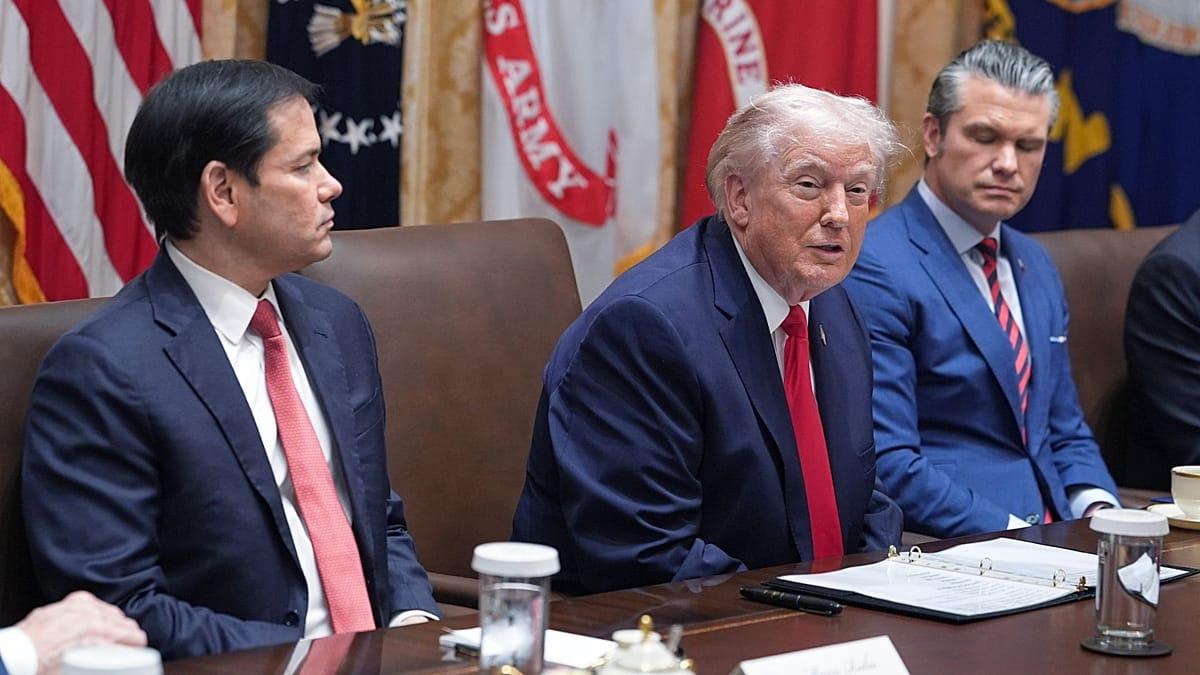
Iran Reimposes Strait of Hormuz Restrictions, Prioritizes Fee-Paying Vessels After IRGC Fire
82 sources compared
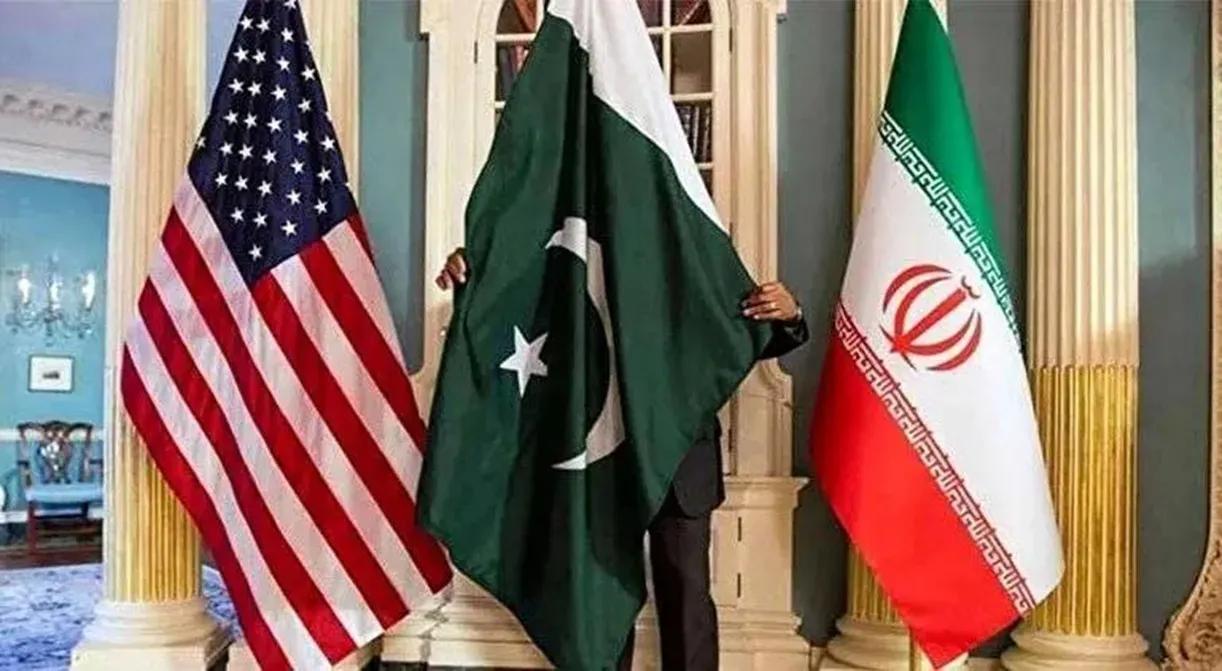
Iranian Deputy Foreign Minister Saeed Khatibzadeh Says U.S. Maximalist Demands Stall Talks
16 sources compared