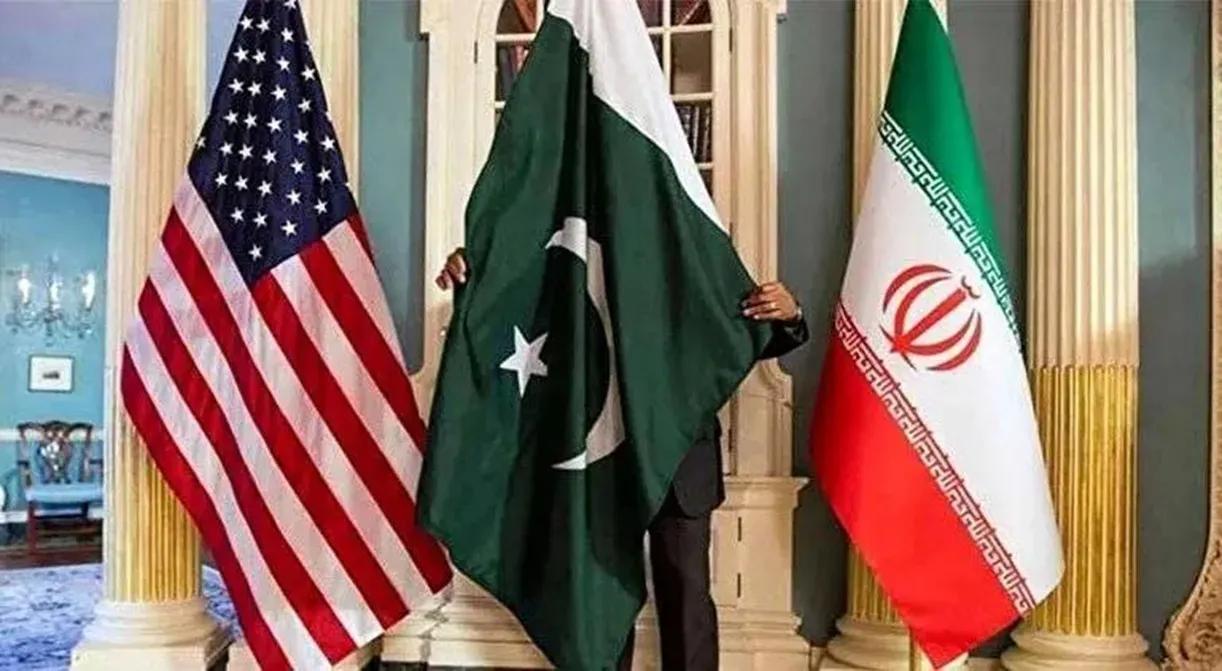
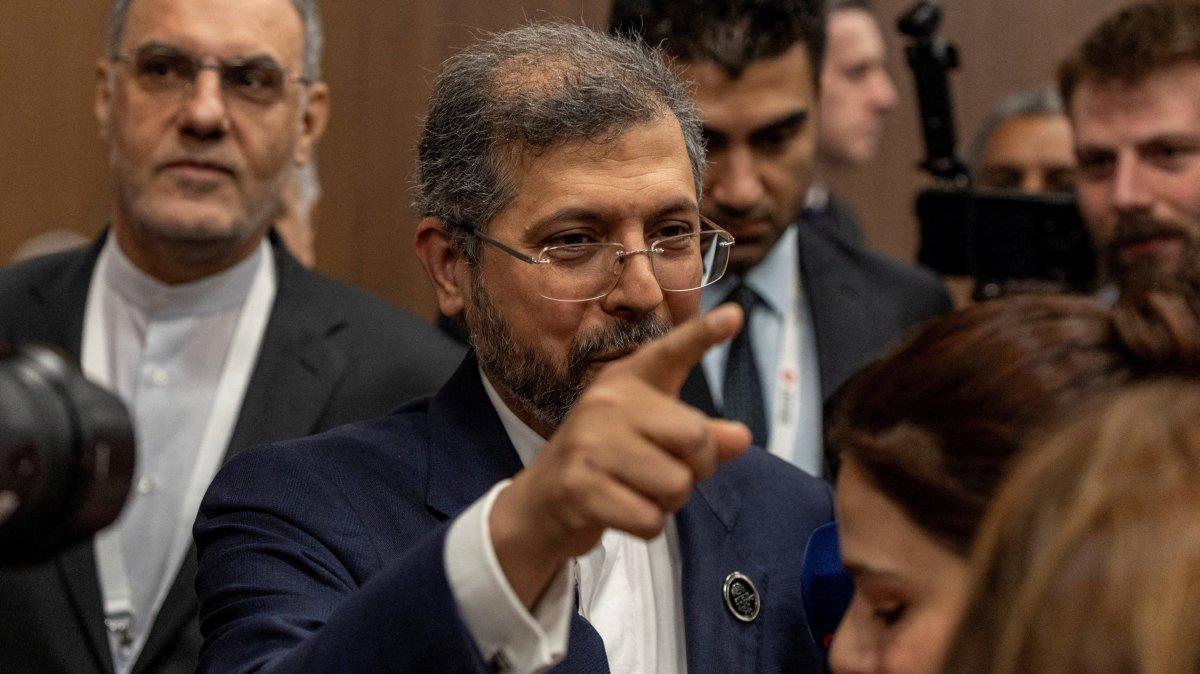
Iranian Deputy Foreign Minister Saeed Khatibzadeh Says U.S. Maximalist Demands Stall Talks
Key Takeaways
- No date set for next Iran-US talks as US maximalist demands stall negotiations.
- Framework of understanding with the United States must be agreed before talks resume.
- Comments delivered at a diplomacy forum in Antalya, Turkey, on the Iran-US talks.
Talks stall over uranium
Iran is not yet ready to hold a new round of face-to-face talks with U.S. officials, a senior Iranian official said Saturday, citing Washington’s refusal to abandon “maximalist” demands on key issues.
In an interview with The Associated Press on the margins of a diplomacy forum in Turkey, Iranian Deputy Foreign Minister Saeed Khatibzadeh said, “I can tell you that no enriched material is going to be shipped to United States,” and added, “This is non-starter and I can assure you that while we are ready to address any concerns that we do have, we’re not going to accept things that are nonstarters.”

Khatibzadeh said there have been “many exchanges of messages between the sides” but that the United States has not abandoned demands Iran deems excessive, saying, “We are still not there yet to move on to an actual meeting because there are issues that the Americans have not yet abandoned their maximalist position.”
Iran, he said, was seeking the finalization of a “framework agreement” before moving to an in-person meeting.
The Associated Press also reported that on Friday Donald Trump said the U.S. would go into Iran and “get all the nuclear dust,” referring to the 970 pounds (440 kilograms) of enriched uranium believed to be buried under nuclear sites badly damaged by U.S. military strikes last year.
Khatibzadeh called on Washington to address Iran’s concerns, including “illegal unilateral sanctions” and what he described as “economic terrorism which has targeted Iranian people to suffocate them and make them to revolt against the political structure inside Iran.”
Strait of Hormuz flips
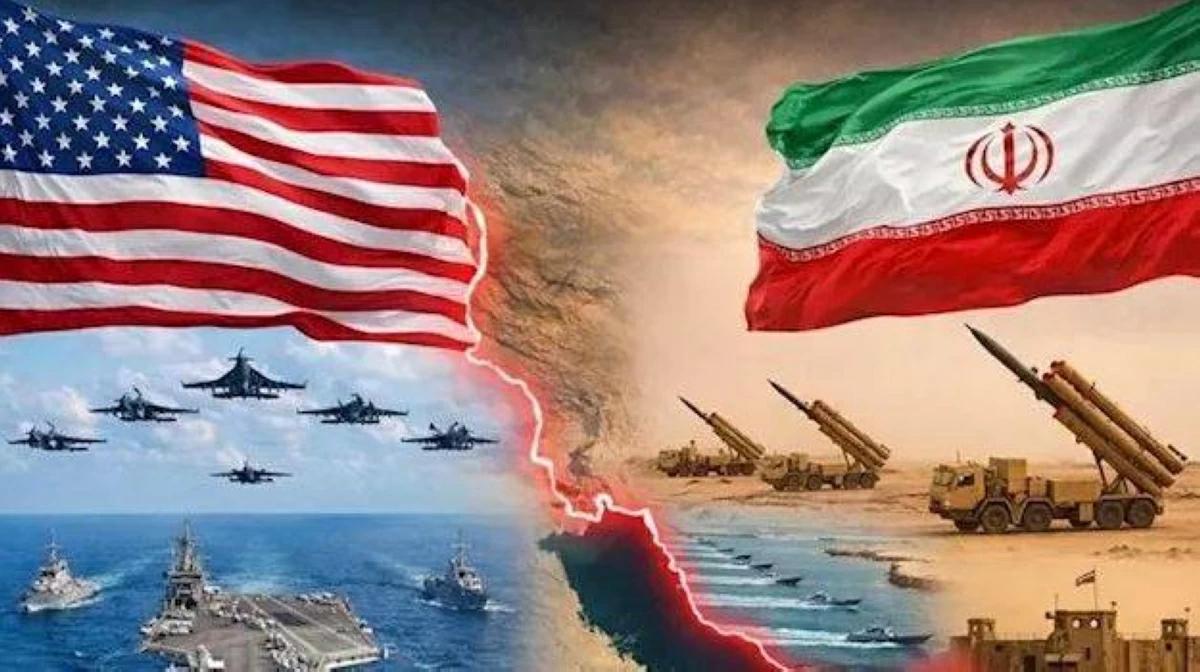
A separate dispute over the Strait of Hormuz has repeatedly interrupted the diplomacy, with Iran saying it reopened the strait after a Lebanon truce and then later closing it again.
The Associated Press reported that after Israel launched airstrikes on central Beirut, Iran announced it was once again closing the Strait of Hormuz, but then said that following implementation of a truce in Lebanon Friday, Iran said it had reopened the strait.
Khatibzadeh told the Associated Press that Iran negotiated in good faith and said, “Iran negotiated with good faith, accepted a ceasefire and told everybody that this ceasefire should include all countries, including Lebanon,” before adding, “Then the other side said that, it is not committed to this and then started atrocities.”
He said a “new protocol” would be put in place for the Strait of Hormuz as part of negotiations with the U.S., and it would “remain open and safe for all civilian passage.”
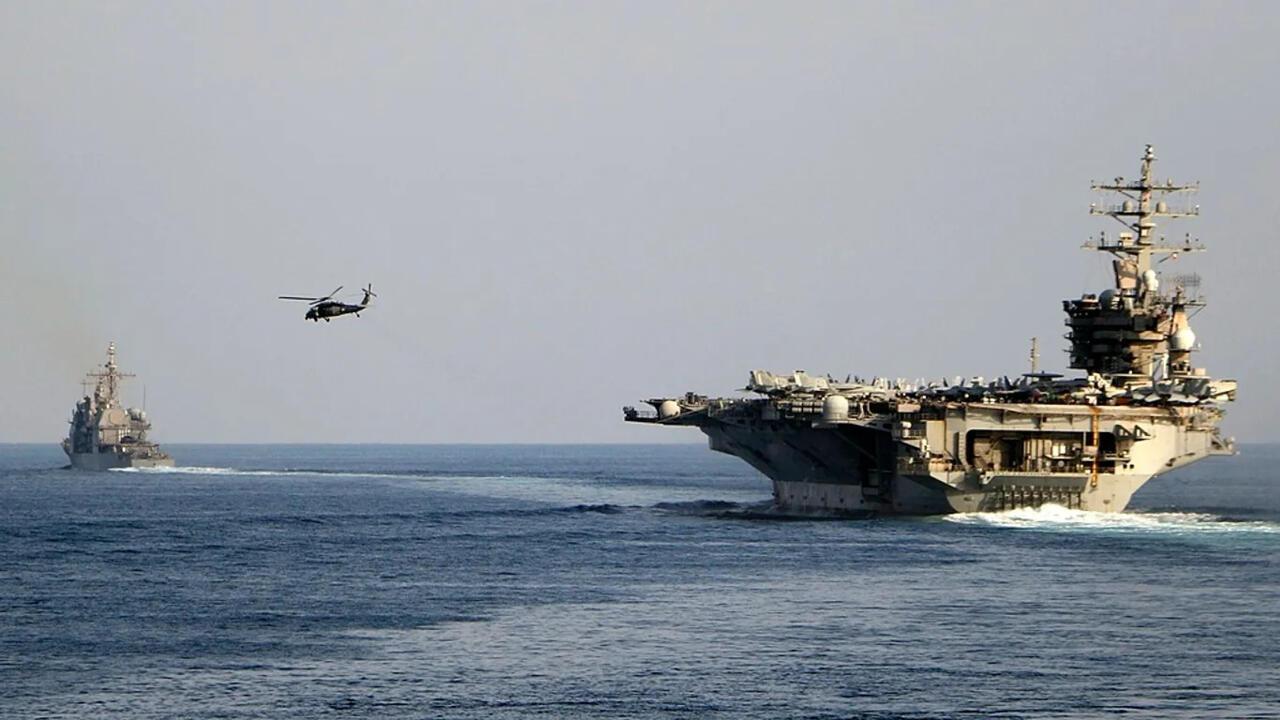
In another account, Iran International described the IRGC’s position that one day after Foreign Minister Abbas Araghchi announced the full reopening of the Strait of Hormuz and Trump’s pledge that it would not be closed again, the U.S. naval blockade of Iran’s southern ports violated the ceasefire and prevented commercial ships and oil tankers from passing through the strait.
Iran International also quoted a Saturday April 18 statement from Iran’s Supreme National Security Council saying that as long as the enemy intends to disrupt navigation and impose tactics such as a naval blockade, Iran regards this as a violation of the ceasefire and will prevent the conditional and limited opening of the Strait of Hormuz.
The IRGC Navy’s Public Relations office then said, “Therefore the Strait of Hormuz will be closed from tonight until this blockade is lifted.”
Araghchi’s post sparks backlash
The Guardian traced the latest diplomatic turbulence to what it described as “mismanaged and premature media announcements” by Donald Trump and Tehran, saying the sequence ended with Iran reinstating a complete block on commercial shipping through the strait of Hormuz and refusing to export any of its stockpile of highly enriched uranium.
The Guardian said the chain of events started when Iranian foreign minister Abbas Araghchi posted on X on Friday soon after U.S. markets opened, writing, “In line with the ceasefire in Lebanon the passage of all commercial vessels through the strait of Hormuz is declared completely open for the remaining period of the ceasefire [Lebanon ceasefire] on the coordinated route as already announced by the Ports and Maritime Organisation of the Islamic Rep of Iran.”
The Guardian reported that the post knocked “$12 off the price of a barrel of oil” and was welcomed by Pakistan, whose officials had been in Tehran for three days trying to find a way to address Iranian preconditions for holding talks with the U.S.
Within minutes, the Guardian said Tasnim described the post as either wrong or incomplete and said it was “published without the necessary and sufficient explanations, created various ambiguities regarding the conditions for passage, details and mechanisms of passage, and led to a great deal of criticism”.
The Guardian also reported that Iranian lawmaker Morteza Mahmoudi said if it wasn’t for wartime conditions, Araghchi should face impeachment over remarks on X, accusing him of repeated “ill-timed” statements.
The Guardian said hardline press such as Kayhan demanded Araghchi withdraw his post when the newspaper hit the streets on Saturday, while politician Mahmoud Sadeghi said the announcement should have been made officially rather than through a post.
The Guardian further reported that Trump threatened to restart bombing next week after the ceasefire between the two sides expires on Wednesday, and it said the renewed impasse set up another confrontation in the strait that had so far avoided a direct naval clash between the U.S. and Iran.
Next talks: Monday in Pakistan
As the standoff over the strait and enrichment continued, multiple outlets pointed to a new round of negotiations in the coming days, with Pakistan appearing as the venue.
Asr Iran reported that CNN wrote the second round of negotiations between Iran and the United States would be held on Monday, citing Iranian sources that “American and Iranian delegations are set to hold talks on Monday.”
Asr Iran added that the United States had not yet confirmed the scheduled talks, and it said the Wall Street Journal wrote that talks were “likely to be held on Monday in Pakistan,” citing a senior Trump administration official and noting that “Donald Trump’s negotiating team is on standby to participate in these talks.”
The same thread of reporting appeared in Al Jazeera Net, which said eyes were turning to a new round of negotiations scheduled to be held in the next two days in the Pakistani capital Islamabad.
Al Jazeera Net said Trump spoke to American and Israeli media outlets and global news agencies on Friday, suggesting a new meeting with Iran by next Sunday, and it said he told Reuters that negotiations were moving quickly and that “The naval embargo will remain fully in place on Iran until all understandings with it are completed 100%.”
Al Jazeera Net also reported that a senior official told The Wall Street Journal that talks with Iran are likely to be held on Monday next in Pakistan, and it said Axios cited a knowledgeable source saying the next round of talks between Washington and Tehran is expected to be held on Sunday in Islamabad.
It further said Reuters cited a Pakistani source saying the upcoming meeting could yield a memorandum of understanding followed by a comprehensive deal within 60 days.
Money, uranium, and hard lines
The negotiations described across outlets also included competing proposals on uranium and financial incentives, alongside Iranian denials of any uranium transfer.
In Al Jazeera Net’s account, it said U.S. media reported Washington offered Tehran the chance to obtain $20 billion if it surrendered its stockpile of fissile materials, and it quoted an American official telling Axios that Iran “has moved but not enough,” adding that Washington would assess what it would take to push Tehran to advance.
Al Jazeera Net said the official noted that current indicators show Iran is seeking about $20 billion “and more,” along with a desire to freely sell its oil on world market prices without restrictions, and to return to the international financial system.
It also reported that sources familiar with Axios said the United States had previously signaled willingness to earmark about $6 billion to buy food, medicine, and humanitarian supplies, while Tehran demanded up to $27 billion.
Al Jazeera Net said Tehran insisted on preserving its nuclear program and continuing to support groups the United States designates as terrorists, including Hamas, and it said it did not appear willing to make concessions on these files in exchange for what was offered.
The same Al Jazeera Net report described technical provisions, including a voluntary freeze of uranium enrichment by Iran, with part of the highly enriched uranium transferred to a third country, and partial reduction inside Iran under international supervision.
It then quoted Iran’s Foreign Ministry spokesman Ismail Bagheri telling state television on Friday evening that “Iran’s enriched uranium will not be moved anywhere.”
More on Iran
Iran Closes Strait of Hormuz Again, IRGC Fires on Tanker Near Oman
16 sources compared

Trump Convened Situation Room as Iran Closed Strait of Hormuz and Fired on Ships
12 sources compared
Iran’s Navy Fires on Ships as It Reimposes Strait of Hormuz Restrictions
19 sources compared

Iran Reimposes Strict Control Over Strait of Hormuz, Fires on Ships as U.S. Blockade Continues
24 sources compared