
Trump Convened Situation Room as Iran Closed Strait of Hormuz and Fired on Ships
Key Takeaways
- Trump convened a White House Situation Room meeting amid renewed Hormuz crisis
- Iran closed the Strait of Hormuz and fired on ships near the chokepoint
- Crisis jeopardizes ongoing US–Iran ceasefire negotiations near deadline
Hormuz flips shut again
Iran reversed course on the Strait of Hormuz again on Saturday, closing it to commercial vessels after it had allowed other ships to pass through the route just one day earlier.
“Live updates: Iran fires on ships in Strait of Hormuz as Tehran imposes restrictions again Confusion over the critical chokepoint threatened to deepen the energy crisis roiling the global economy and push the two countries toward renewed conflict, even as mediators expressed confidence a new deal was within reach”
The renewed closure triggered a fresh scramble in Washington: President Donald Trump convened a Situation Room meeting on Saturday after Iran announced it was closing the strait again, according to reporting cited by Axios.
A senior US official told Axios that unless there is a breakthrough in peace talks, “it appears that the war could reopen within days,” with no firm date for negotiations to resume this weekend.
Iran’s joint military command said on Saturday that “control of the Strait of Hormuz has returned to its previous state ... under strict management and control of the armed forces.”
The Islamic Revolutionary Guard Corps warned that “no vessel should make any movement from its anchorage in the Persian Gulf and the Sea of Oman, and approaching the Strait of Hormuz will be considered as cooperation with the enemy” and be targeted.
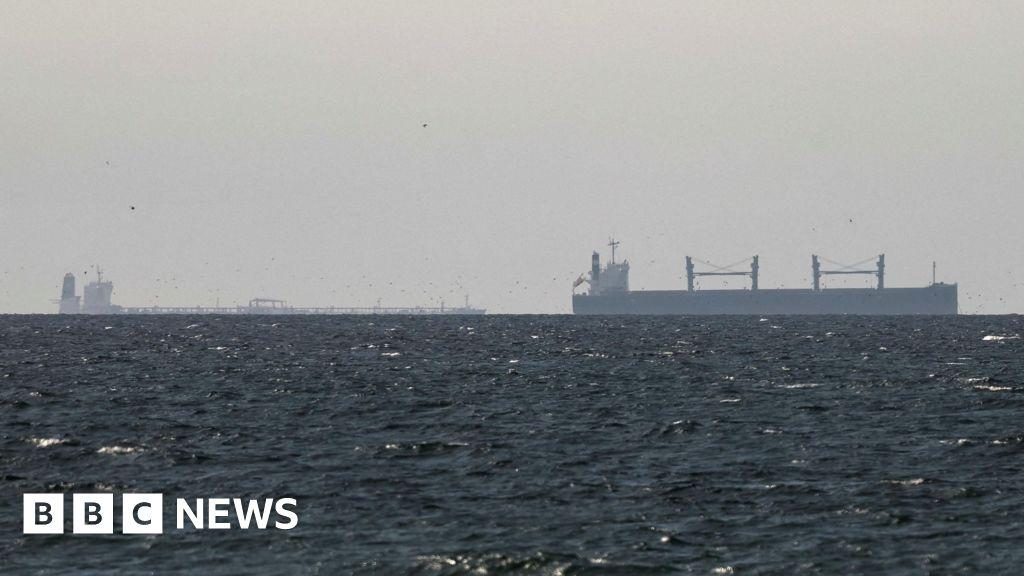
The BBC described the closure as coming “to commercial vessels,” adding that any ship that approaches it will be targeted.
In the same window, Iranian forces fired on ships attempting to transit: the British military’s UK Maritime Trade Operations said a cargo vessel was attacked near the strait, damaging containers on board, and the attack was the second on Saturday after gunboats opened fire on a tanker.
Ceasefire clock and talks
The renewed Hormuz closure landed as a ceasefire deadline approached and negotiations remained unsettled.
The BBC said a two-week ceasefire was “due to expire on 22 April,” while the Daily Express US report said Trump had aspirations to end the conflict before the ceasefire closes on Tuesday and that “there is still no set timetable for negotiations to start this weekend.”
CNN similarly framed the moment as one where “Ceasefire deadline looms” and said Iran shut the strait again “blaming the US for ‘breaches of trust’ during the ongoing ceasefire.”
In Washington, Trump told reporters that “We have very good conversations going on. It's working out very well,” and he insisted the US was “taking a tough stand” in talks with Iran.
Trump also said, “We're talking to them. They wanted to close up the Strait of Hormuz again, as they've been doing for years, and they can't blackmail us,” while not addressing rumors of strikes on ships in the waterway in his remarks.
On the Iranian side, the CNN live updates described Iran’s shift as citing “repeated breaches of trust” as the US maintained a naval blockade on Iranian ports, and it noted that Iran had pushed for vessels to pay a fee for secure transfer across the waterway.
The New York Times reported that Iran’s Supreme National Security Council said the government “is currently reviewing” new proposals submitted by the United States through Pakistan, which hosted peace talks last weekend.
The Guardian added that after initial talks between the US and Iran last weekend in Pakistan, Iran’s deputy foreign minister, Saeed Khatibzadeh, said a second date cannot be set until both sides “have agreed on the framework”.
Voices clash over blame
The dispute over Hormuz and the negotiations produced sharply different portrayals of who is responsible and what the next move should be.
“Strait of Hormuz closed again, Iran says, as ships attacked Iran says it is closing the Strait of Hormuz again to commercial vessels and that any ship that approaches it will be targeted”
Trump framed Iran’s action as coercion and insisted the US would not be pressured, telling reporters, “It's going very well,” and later adding, “We're talking to them. They wanted to close up the Strait of Hormuz again, as they've been doing for years, and they can't blackmail us.”
Axios reported that a senior US official said that unless there is a breakthrough in peace talks, “it appears that the war could resume in the coming days,” while CNN described Trump’s frustration as he said Iran “got a little cute.”
In Tehran’s messaging, the Islamic Revolutionary Guard Corps warned that “Approaching the Strait of Hormuz will be considered cooperation with the enemy, and any offending vessel will be targeted,” and the BBC quoted the IRGC’s line that “no vessel is to move from its anchorage in the Persian Gulf or the Sea of Oman.”
Iran’s joint military command said the strait’s control returned “under strict management and control of the armed forces,” and the AP live updates said Iran reversed course on reopening the strait Saturday, warning it would continue to block transit as long as the US blockade of Iranian ports remained in effect.
On the diplomatic side, the Guardian said Iran’s supreme national security council was reviewing “new proposals” put forward by the US, and it described Iran’s deputy foreign minister, Saeed Khatibzadeh, saying a second date cannot be set until both sides “have agreed on the framework”.
Meanwhile, the New York Times reported that Mohammad Bagher Ghalibaf, speaker of Iran’s Parliament, portrayed the cease-fire as a victory for Iran and emphasized its “control over the Strait.”
In Washington’s political theater, Fox News quoted Kentucky Gov. Andy Beshear blasting Trump for “waging new wars” and “risking American lives,” while Fox also carried U.S. Ambassador to the United Nations Mike Waltz praising Trump’s approach as “playing chess” as negotiations continue and saying, “What do you say to a regime that is yelling death to America at every turn? And you know what? It worked.”
Different outlets, different emphases
While the core facts of the Hormuz reversal and ship attacks were consistent across outlets, the framing diverged in ways that shaped what readers saw as the central story.
The BBC foregrounded the closure itself, saying Iran “is closing the Strait of Hormuz again to commercial vessels and that any ship that approaches it will be targeted,” and it tied the decision to the IRGC’s claim that it was responding to a continuing US blockade.
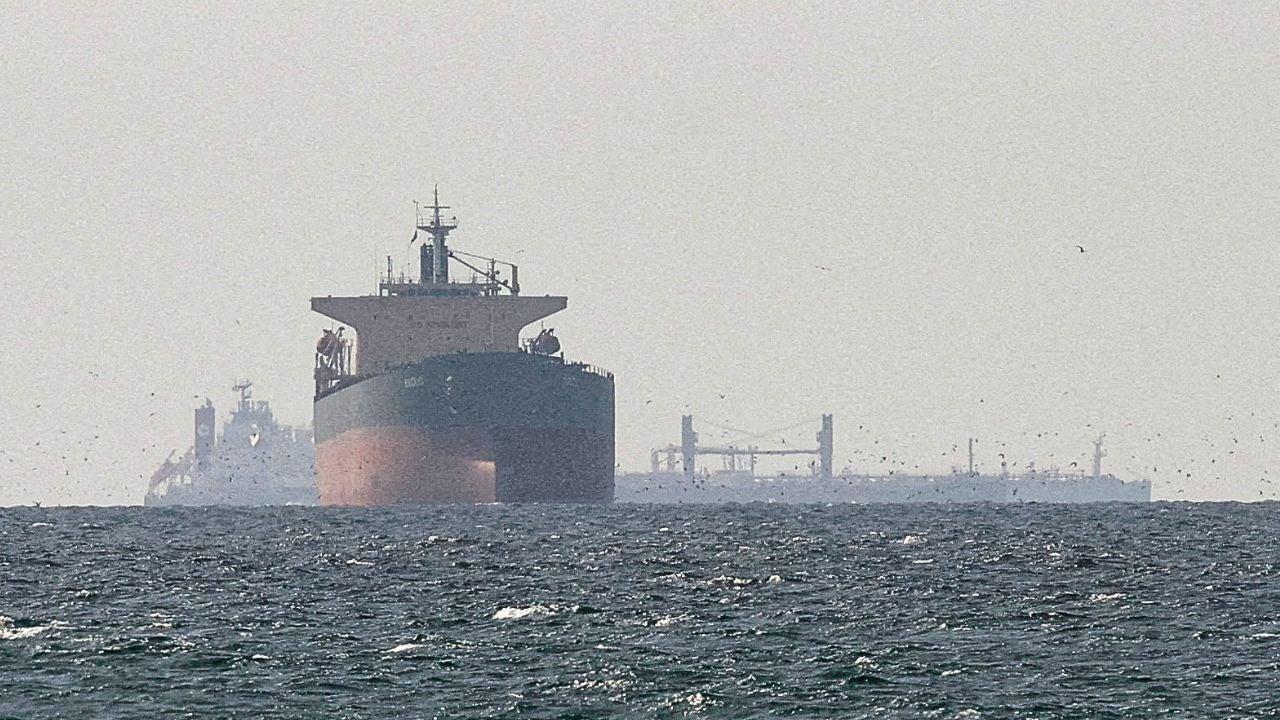
The AP live updates emphasized confusion at the chokepoint and the risk of renewed conflict, stating that “Confusion over the critical chokepoint threatened to deepen the energy crisis roiling the global economy and push the two countries toward renewed conflict,” while also describing the British military’s report of a cargo vessel attacked near the strait.
CNN, by contrast, built its narrative around the ceasefire deadline and the “breaches of trust” rationale, saying the closure “may threaten momentum toward a peace deal between the two countries,” and it highlighted that Iran had previously announced the strait was “fully open and ready for full passage. Thank you!” before reversing again.
The New York Times leaned into the back-and-forth and the fear of confusion, describing the “back and forth” as adding to “the fear and confusion looming over a narrow waterway” and citing tracking data that “17 vessels crossed the strait on Saturday before Iran declared it closed and 10 crossed on Friday.”
The Guardian’s live coverage, meanwhile, expanded the lens to include Iran’s reported war death toll, saying the war “has killed more than 3,400 people in the Islamic republic,” and it quoted Ahmad Mousavi saying “3,468 ‘martyrs … fell during the recent conflict’.”
Even within the same event, the Daily Express US and International Business Times UK both described Trump’s Situation Room meeting and the negotiations stalling, but the Daily Express US added a broader political narrative around Trump’s Oval Office remarks and the claim that Iran reversed course “just one day after the Islamic Republic allowed other ships to pass.”
Fox News framed the same Hormuz crisis through domestic political voices, quoting Beshear’s warning that Trump was “risking American lives” and Waltz’s defense that Trump’s rhetoric “worked” to “get them back to the table.”
What comes next
The sources portray the immediate future as a narrow window where the ceasefire’s expiration and the Strait of Hormuz’s status could determine whether the conflict reignites.
“President Donald Trump convened a Situation Room meeting on Saturday after Iran announced it was closing the Strait of Hormuz again, just one day after the Islamic Republic allowed other ships to pass through the route”
Axios said the situation with Iran is at a “critical point,” with the ceasefire expected to expire in three days and no final date set for a new meeting between U.S. and Iranian negotiators, while also noting that Iran’s Saturday announcement came less than 24 hours after Trump said a deal to end the war could happen “within a day or two.”
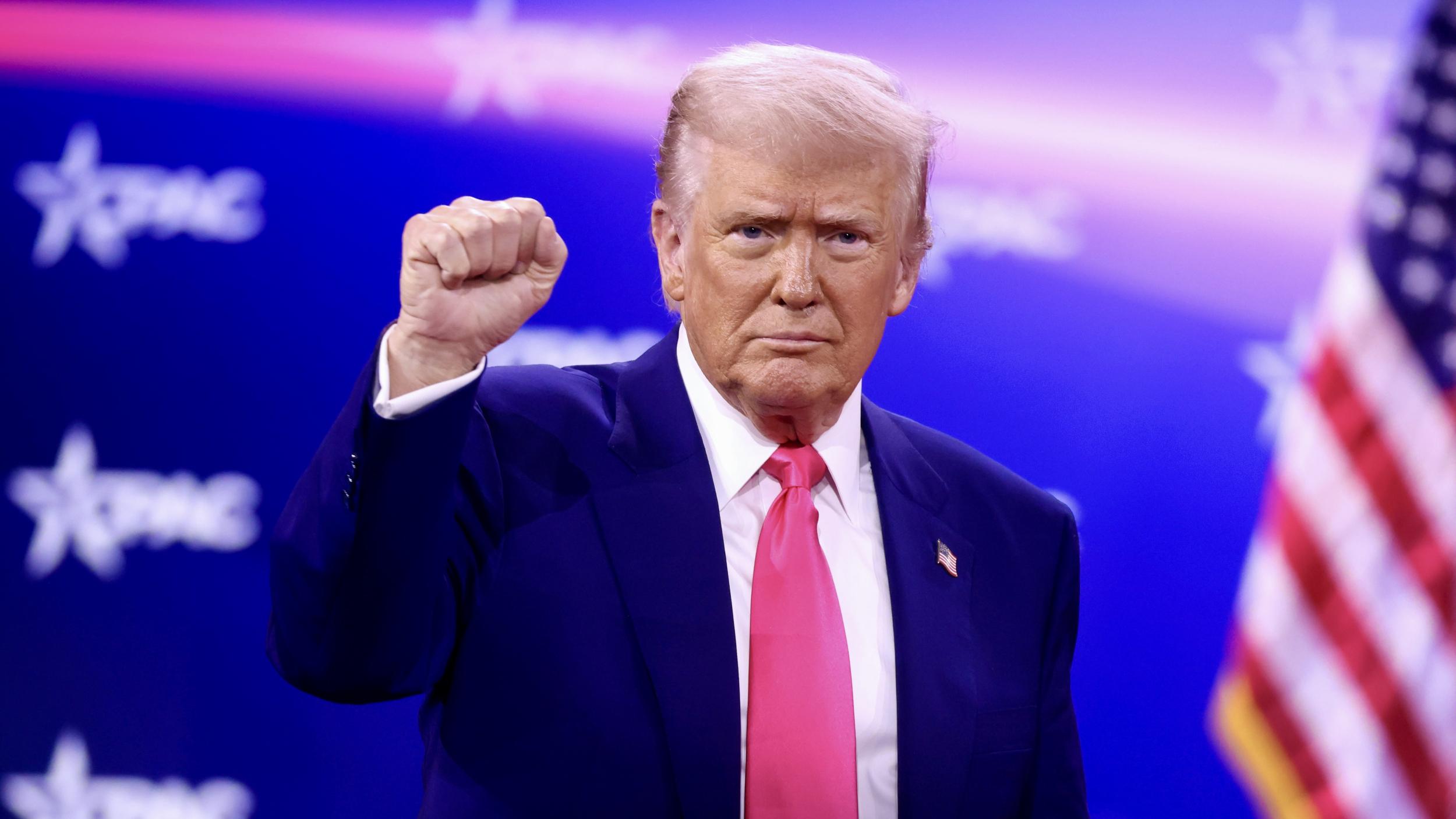
The Daily Express US reported that Trump convened the Situation Room after Iran announced it was closing the strait again, and it said “It looks like the battle could resume in a matter of days unless there is a breakthrough in peace negotiations,” citing a senior US official.
CNN similarly described “Ceasefire deadline looms” and said top US officials were seen arriving at the White House on Saturday as negotiations approached a critical juncture, with a ceasefire set to expire in three days.
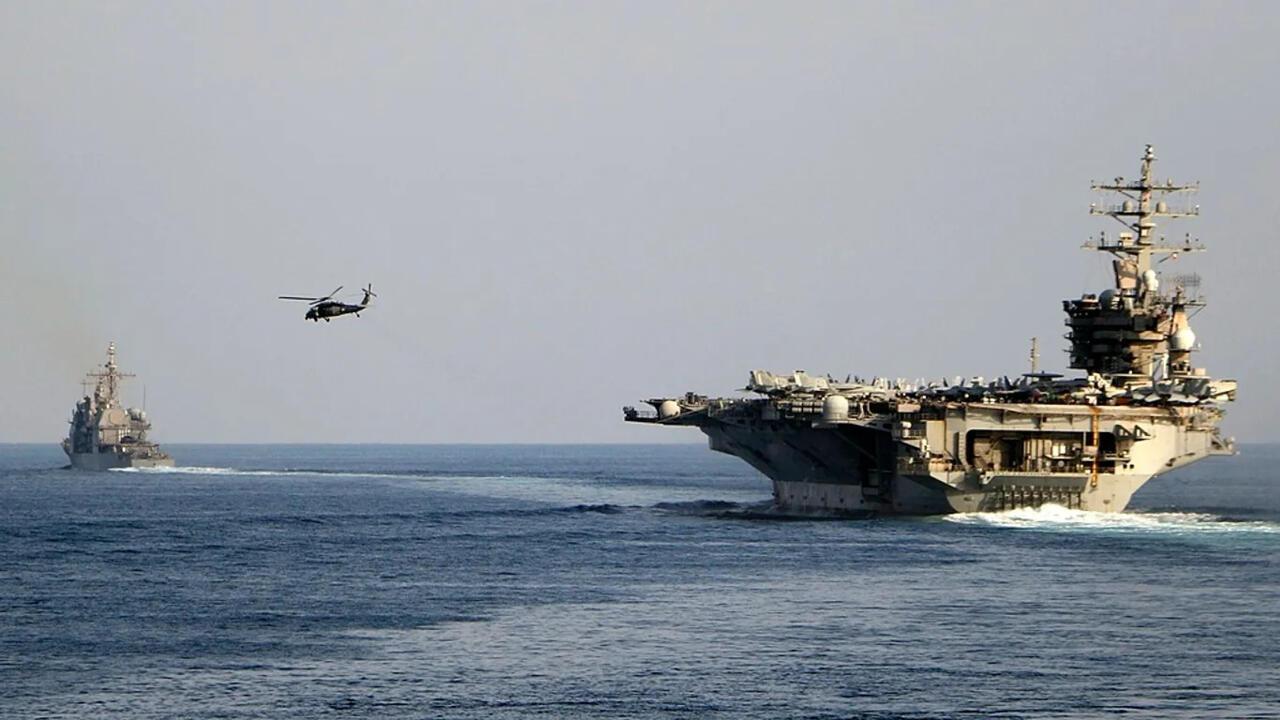
On the maritime front, the BBC said the IRGC Navy warned that it would shut the strait again until the US stopped its blockade of Iranian ports, and it quoted the IRGC’s warning that “no vessel is to move from its anchorage in the Persian Gulf or the Sea of Oman.”
The AP said the closure and attacks threatened to deepen the energy crisis and push the countries toward renewed conflict even as mediators expressed confidence a new deal was within reach.
Beyond the strait, the AP’s live updates also tied the wider conflict to other flashpoints, including a French soldier killed and three injured during an attack against UNIFIL in southern Lebanon, and it said the total number of soldiers killed in Lebanon brought to 15.
The Guardian added that Iran’s war death toll in the Islamic republic was reported as 3,468 “martyrs … fell during the recent conflict,” and it contrasted that with a previous toll of 3,375 from the head of the Iranian Legal Medicine Organization on 12 April.
More on Iran
Iran Closes Strait of Hormuz Again, IRGC Fires on Tanker Near Oman
16 sources compared
Iran’s Navy Fires on Ships as It Reimposes Strait of Hormuz Restrictions
19 sources compared

Iran Reimposes Strict Control Over Strait of Hormuz, Fires on Ships as U.S. Blockade Continues
24 sources compared

Iran Reimposes Strict Control of Strait of Hormuz as IRGC Gunboats Fire on Tankers
28 sources compared