
Iran Reimposes Strict Control of Strait of Hormuz as IRGC Gunboats Fire on Tankers
Key Takeaways
- Iran reimposes strict control over Strait of Hormuz amid US blockade claims
- IRGC gunboats fired on at least three commercial vessels in the Strait
- Tensions escalate as ceasefire negotiations approach a critical juncture
Hormuz shuts again
Iran reimposed “strict control” over the Strait of Hormuz on Saturday, after a brief period in which the route had been declared reopened, as gunboats linked to Iran’s Islamic Revolutionary Guard Corps (IRGC) fired on commercial vessels and the United States continued enforcing a naval blockade of Iranian ports.
“Iran’s military has once again shut down the Strait of Hormuz, claiming that the US continues to blockade Iranian ports”
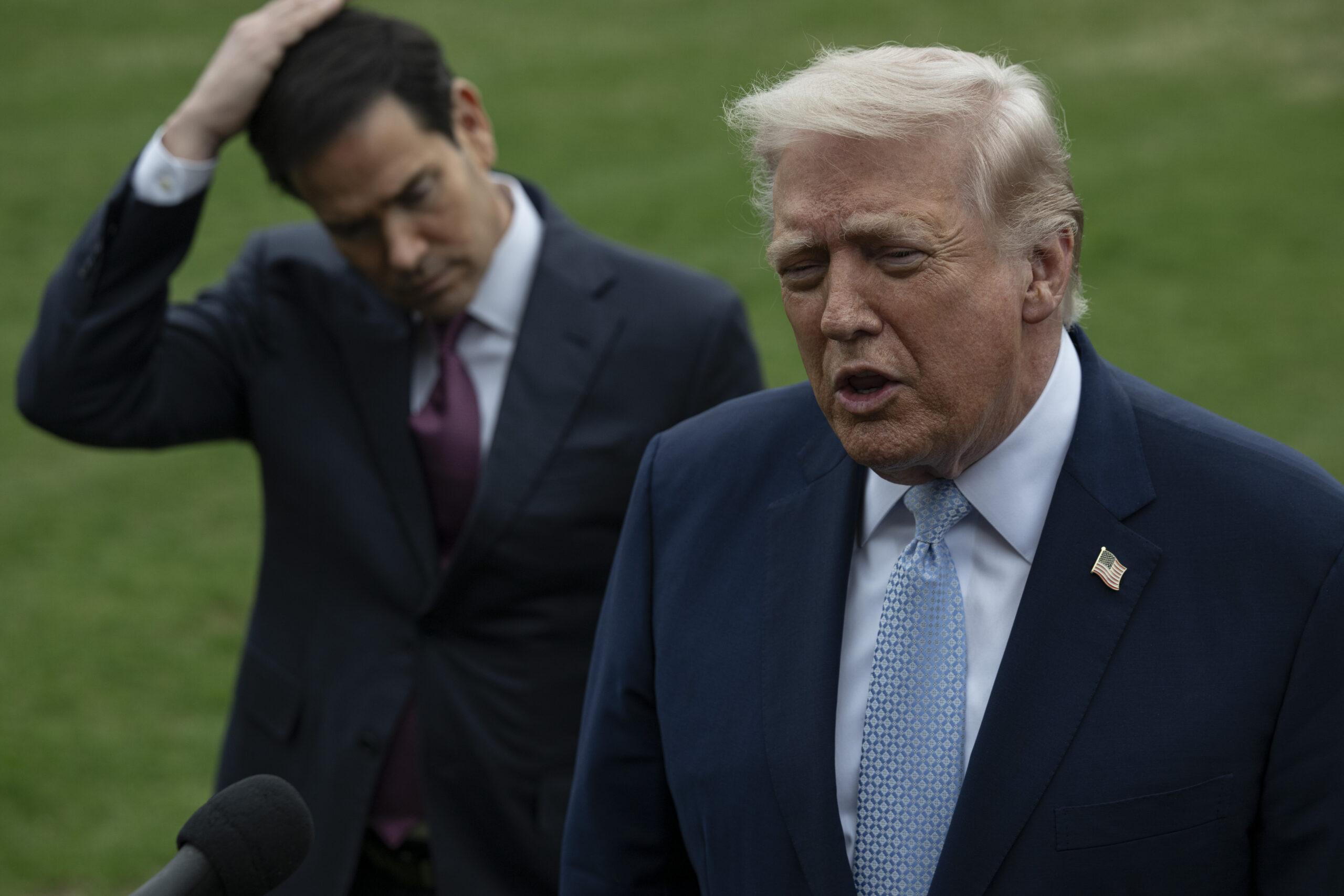
The AAPNews report said Iran’s top negotiator, Mohammad Baqer Qalibaf, told state media, “We have had progress but there is still a big distance between us,” while Iran’s President Donald Trump cited “very good conversations” with Tehran but warned against “blackmail” over the key shipping channel.
Reuters and other outlets described the renewed closure as Tehran’s response to what it called a continued US blockade of Iranian ports, which Iran said violated a ceasefire, and the conflict between the US and Iran was described as now in its eighth week.
Time Magazine reported that Iran’s gunboats fired on at least three commercial vessels, with UK Maritime Trade Operations (UKMTO) receiving a report of two gunboats opening fire on a tanker “20 miles north of Oman” without issuing a radio challenge.
Time Magazine also said UKMTO later reported a separate incident in which a container ship was hit by an “unknown projectile,” and Reuters cited merchant and shipping sources reporting additional vessels—including at least one Indian-flagged ship—had been hit by gunfire.
Hindustan Times said at least eight oil and gas tankers crossed the Strait of Hormuz on Saturday after Iran briefly signalled that the route was open, but later in the day “two merchant vessels reported being hit by gunfire while attempting to transit the strait.”
Negotiations and deadlines
The renewed tightening of Hormuz control unfolded alongside stalled US-Iran diplomacy and a looming ceasefire deadline, with multiple outlets tying the shipping disruption to the countdown toward Wednesday.
AAPNews said neither side offered specifics about the state of negotiations on Saturday, “days before a fragile ceasefire in the US-Israeli war against Iran is set to expire,” and it described the war as “now in its eighth week.”

It also reported that when American and Iranian negotiators met last weekend in Islamabad, the US proposed a “20-year suspension of all Iranian nuclear activity,” while Iran suggested a halt of “three to five years,” according to people familiar with the proposals.
AAPNews added that Iran’s deputy foreign minister, Saeed Khatibzadeh, said “no date had been set for the next round of negotiations,” and that “a framework of understanding must be agreed first.”
Time Magazine similarly said Tasnim news agency reported that Iran had not agreed to a date for a second round of talks, and it quoted Saeed Khatibzadeh telling reporters in Turkey, “We are now focusing on finalising the framework of understanding between the two sides. We don't want to enter into any negotiation or meeting which is doomed to fail and which can be a pretext for another round of escalation.”
The same Time Magazine account said Trump warned Iran not to “blackmail” the US with its closing of the Strait of Hormuz and quoted Trump saying, “We’re talking to them. They wanted to close up the Strait again—you know, as they’ve been doing for years—and they can’t blackmail us.”
It also said Trump struck a positive tone about talks and that “The main sticking point remains Iran’s enriched uranium stockpile,” with US officials pushing for it to be handed over as part of any deal.
In parallel, the AAPNews report said Trump defended the US blockade and threatened “to start dropping bombs again” unless the countries reached a long-term deal before the ceasefire expires on Wednesday.
Iran’s rationale and fees
Iran’s renewed control of the Strait of Hormuz was presented in the sources as both a security measure and a response to US actions, with Iranian officials describing the blockade as a breach of ceasefire understandings and framing the tightened regime as “strict management and control” by armed forces.
The Economic Times report, citing CNN, said an official stated, “Given the limitation on the number of vessels that will be allowed to pass, Iran has decided to give priority to those vessels that respond more quickly to the new Strait of Hormuz protocols and pay the costs of security and safety services,” and it added, “Vessels that do not pay the fees will have their passage postponed.”
Economic Times said the measure came after Iran reimposed restrictions on ship movements through the strait, citing “repeated breaches of trust” by the United States in implementing a ceasefire agreement, and it quoted an IRIB-attributed statement that said, “Following previous agreements in negotiations, the Islamic Republic of Iran agreed in good faith to allow a limited number of oil tankers and commercial ships to pass through the Strait of Hormuz in a managed manner.”
The same statement, as quoted by Economic Times, accused the Americans of “piracy and banditry under the guise of a so-called blockade,” and it declared that “control over the Strait has now been tightened, with the waterway placed under the ‘strict management and control’ of Iran’s armed forces.”
Economic Times further quoted the statement saying, “For this reason, control of the Strait of Hormuz has returned to its previous state, and this strategic strait is under the strict management and control of the armed forces,” and it said the situation would persist unless Washington ensured what Iran described as “complete freedom of movement” for Iranian vessels.
Modern Diplomacy described Iran’s Saturday announcement as tightening control and declaring the energy route closed once again, saying it was in response to what Iran described as a “U. S. blockade of its ports,” and it quoted Supreme Leader Mojtaba Khamenei stating Iran’s navy was prepared to deliver “new bitter defeats.”
It also said Iran’s Supreme National Security Council announced plans to control the strait, including charging for services related to security, safety, and environmental protection.
In parallel, 5Pillars quoted an IRGC statement that “Control over the Strait of Hormuz has returned to its previous state, and this strategic waterway is under the strict management and control of the armed forces,” and it added, “Until the US restores full freedom of movement for vessels travelling to and from Iran, the situation in the Strait of Hormuz will remain strictly controlled and unchanged.”
US pressure and seizures
The sources also describe a US response that combines continued maritime blockade enforcement with preparations to seize Iran-linked shipping, while US officials frame the campaign as pursuing support for Iran and pressuring Tehran’s economy.
New York Post reported that “US officials say the Pentagon is preparing to intercept and take control of commercial vessels tied to Iran — potentially far beyond the Middle East,” and it said the strategy is aimed at choking Tehran’s economy to force Iran to reopen the strait and bend in nuclear talks.
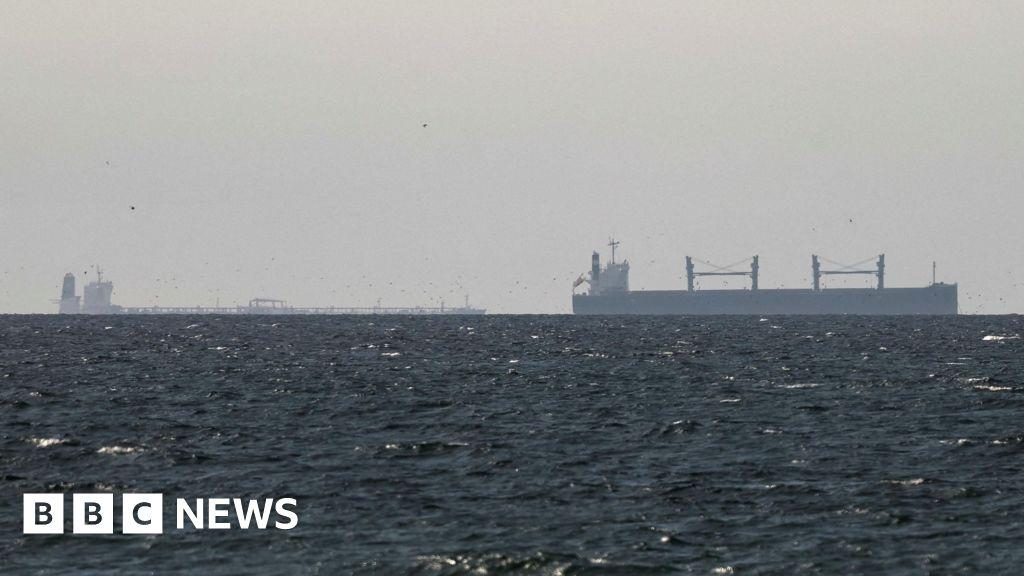
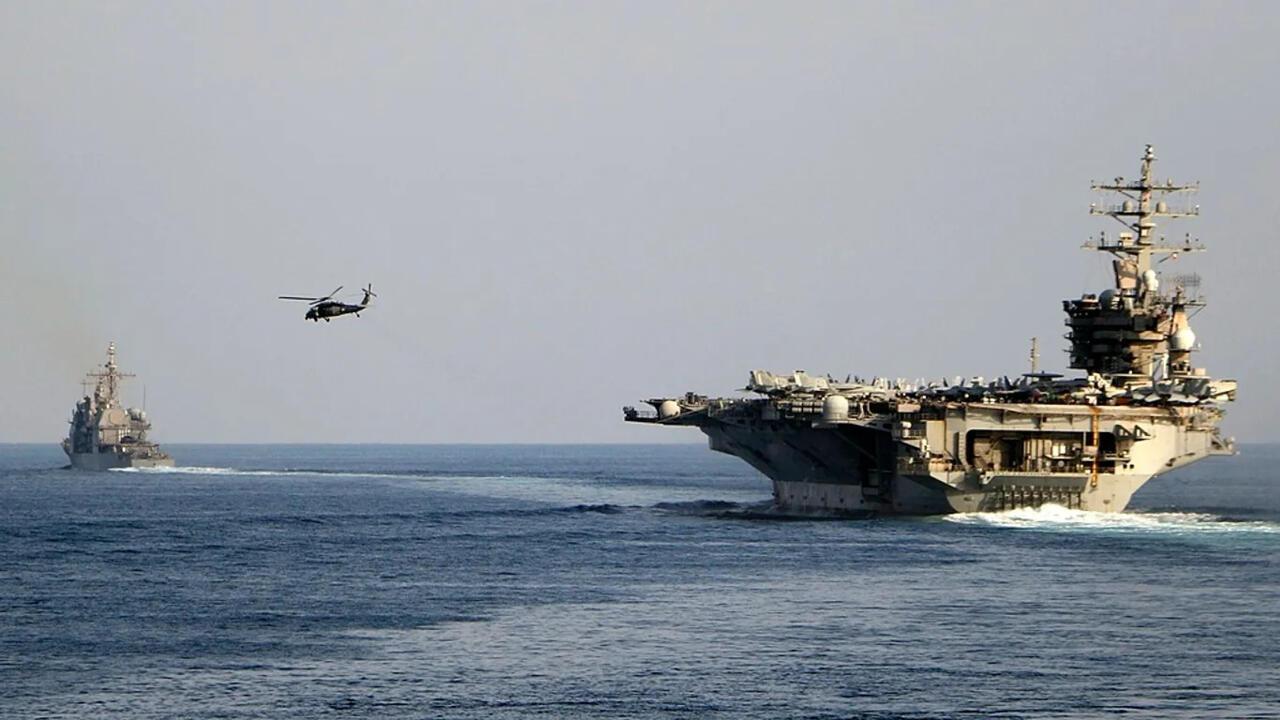
The New York Post account said the US has already blocked “23 ships” from leaving Iranian ports as part of a growing naval barricade, citing US Central Command posted on X Saturday, and it quoted Joint Chiefs Chairman Gen. Dan Caine saying, “The US will actively pursue any Iranian-flagged vessel or any vessel attempting to provide material support to Iran,” adding that “dark fleet” ships are also fair game.
Time Magazine similarly said the US military is preparing in the coming days to board Iran-linked oil tankers and seize commercial ships in international waters, describing it as a step that would “significantly expand the scope of the naval blockade.”
AAPNews said US Central Command said American forces were enforcing a maritime blockade of Iran but did not comment on the latest Iranian actions, and it said Tehran’s reversal raised the risk that oil and gas shipments through the strait could remain disrupted just as Trump weighs whether to extend the ceasefire.
The AAPNews report also said Trump threatened “to start dropping bombs again” unless the countries reached a long-term deal before the ceasefire expires on Wednesday, and it described the war as spreading to Israeli attacks in Lebanon and sending oil prices surging because of the de facto closure of the strait.
Hindustan Times added that the closure left “hundreds of vessels stranded in the Gulf” and contributed to rising oil prices and higher shipping costs, with many ship operators avoiding the region due to security concerns including attacks or sea mines.
Together, the sources depict a tightening loop: Iran closes and fires on shipping, while the US escalates enforcement and prepares broader seizures in international waters.
Shipping impacts and reactions
The renewed Hormuz disruption triggered immediate reactions from shipping and governments, with multiple sources describing both the movement of some vessels and the broader risk of continued disruption.
Hindustan Times said at least eight tankers crossed the strait on Saturday after Iran briefly signalled it was open, and it said maritime tracking data showed that several tankers approaching the strait had turned back near Iran’s Larak Island, which has been functioning as a checkpoint under Iranian control during the blockade.
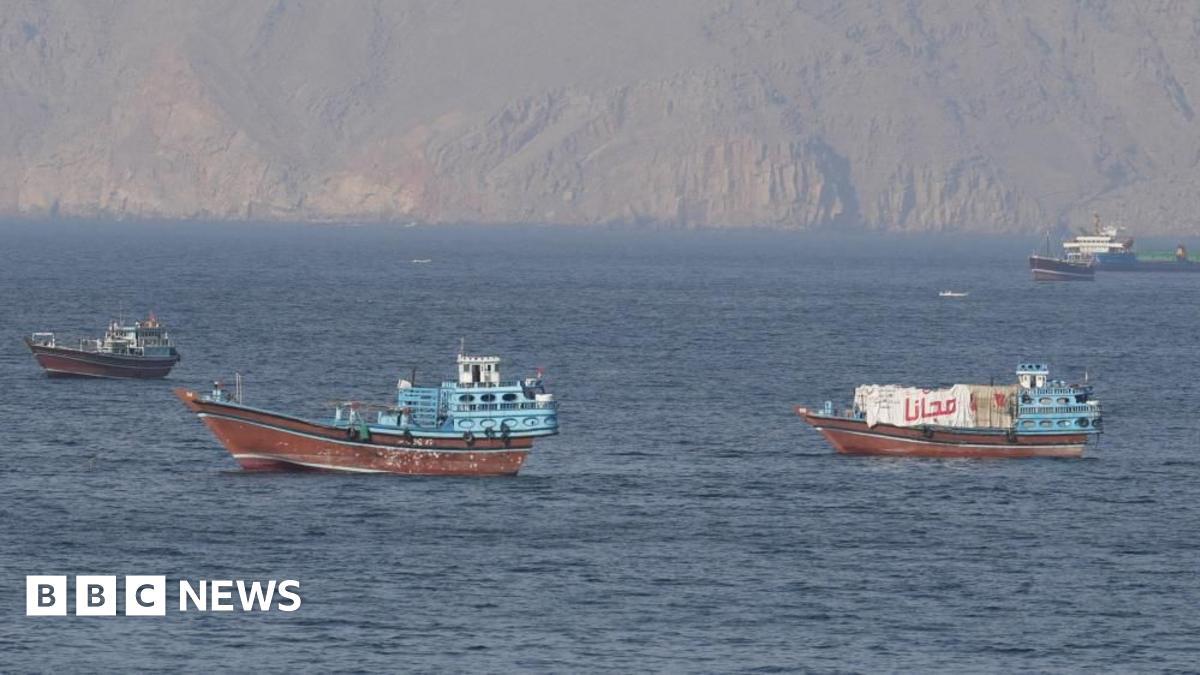
It also said the key trade route remained disrupted, with shipping activity slowed sharply since the conflict escalated on February 28, and it described the strait as handling “roughly one-fifth of global oil and liquified natural gas flows during normal conditions.”
Hindustan Times reported that at least three of the vessels that exited through the strait on Saturday were under US sanctions, and it said some ships transiting the area were broadcasting destinations linked to India or China, described as an attempt to signal neutrality.
It also said MarineTraffic data showed a limited presence of other cargo vessels, including container ships associated with the French shipping firm CMA CGM, and it noted that a cruise ship, Celestyal Discovery, crossed the strait on Friday, marking the first such passenger transit since the conflict began.
AAPNews said concern remained after at least two vessels reported being attacked on Saturday while trying to transit the waterway, and it added that India summoned the Iranian ambassador in New Delhi and expressed deep concern that two Indian-flagged ships had come under fire in the strait.
Time Magazine described UKMTO reports of gunfire incidents and said the strait closure by Iran during the war “has fueled volatility in global oil prices,” with a brief reopening on Friday sending oil prices tumbling while fuel shortages persisted.
Finally, Hindustan Times quoted BIMCO’s Jakob Larsen warning, “BIMCO believes shipping companies should consider avoiding the area,” and it said the status of mine threats in Iran’s maritime traffic separation scheme was unclear.
More on Iran
Iran Closes Strait of Hormuz Again, IRGC Fires on Tanker Near Oman
16 sources compared

Trump Convened Situation Room as Iran Closed Strait of Hormuz and Fired on Ships
12 sources compared
Iran’s Navy Fires on Ships as It Reimposes Strait of Hormuz Restrictions
19 sources compared

Iran Reimposes Strict Control Over Strait of Hormuz, Fires on Ships as U.S. Blockade Continues
24 sources compared