
US Naval Blockade of Strait of Hormuz Sparks China Condemnation and Trade Threats
Key Takeaways
- US blockade of Hormuz began, blocking maritime traffic to and from Iranian ports.
- China condemned the blockade as dangerous and irresponsible, warning it would heighten tensions.
- Tariffs on China were threatened amid the Hormuz crisis.
Hormuz Blockade
The United States implemented a naval blockade of the Strait of Hormuz on April 13, 2026, marking a significant escalation in the Middle East conflict.
“China has urged the United States and Iran to return to the negotiating table after Washington launched an operation to close the Strait of Hormuz on Monday and threatened to impose 50% tariffs on countries providing weapons to Tehran”
Trump announced the blockade on social media, framing it as a move to restore freedom of navigation and accusing Iran of extortion.
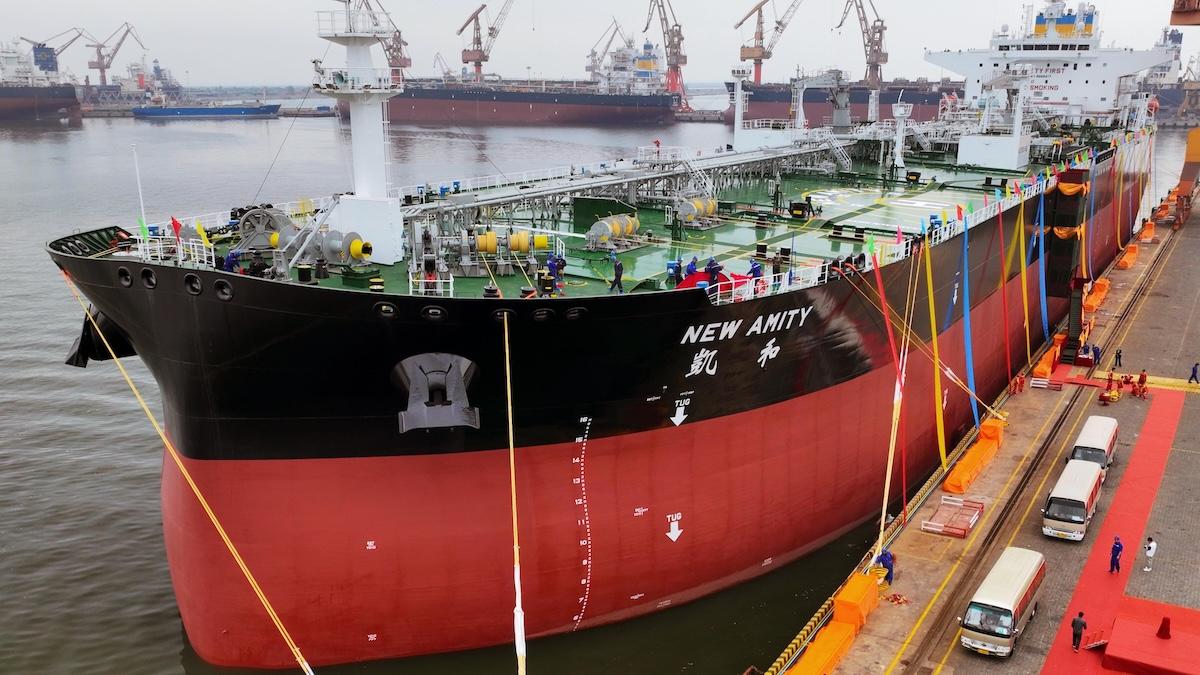
The strait handles roughly 20% of the world's oil supply, making it a critical global trade artery.
China condemned the blockade as a dangerous and irresponsible move.
Guo called reports of Chinese military support to Iran entirely fabricated and threatened countermeasures if the US imposed tariffs on China.
Trade and Tariffs
Trump threatened to impose 50% tariffs on China if it provided military assistance to Tehran.
Chinese commentators described the tariff threat as an attempt to exert extreme pressure on Beijing.
The trade war extended beyond the Middle East, with China's trade surplus falling significantly in March 2026.
Global Reactions
British Prime Minister Keir Starmer stated that Britain would not be drawn into a war with Iran.
“Trump declares ‘blockade’ on Hormuz after talks fail:Iran calls it ‘violation of ceasefire’; what does it mean for India”
NATO expressed willingness to participate in securing the waterway.
The Economist reported growing anger from European allies over America's unilateral actions.
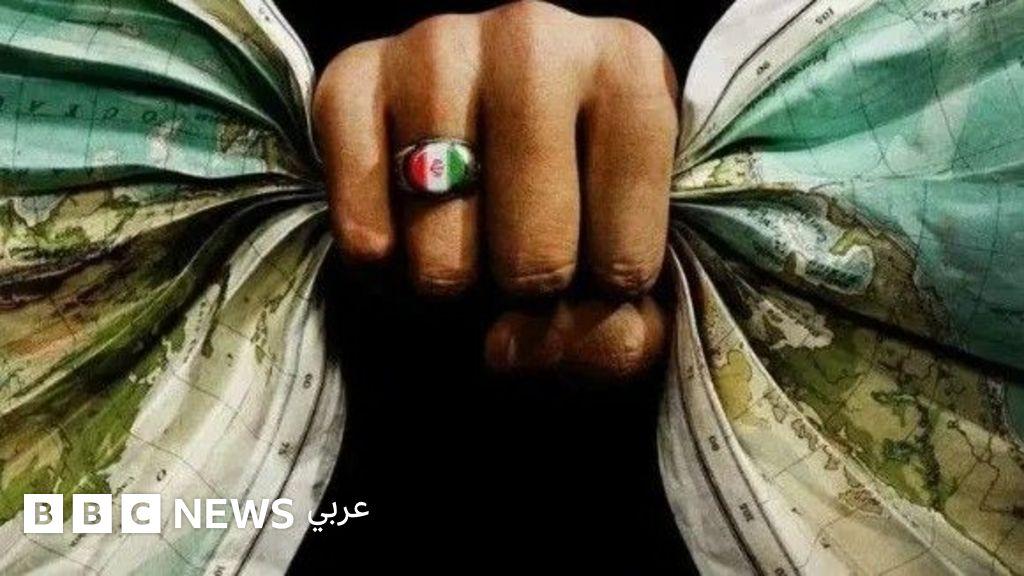
The BBC highlighted an article arguing that the war was making Iran a global great power.
Economic and Strategic Stakes
The blockade threatened to disrupt global energy markets and supply chains.
The Strait of Hormuz handles roughly 20% of the world's oil supply.

The Guardian reported that the blockade could cause oil prices to spike above $150 per barrel.
China, the world's largest crude importer, was particularly vulnerable.
The blockade raised questions about the future of global trade and economic coercion.
More on USA

7th Circuit Upholds Illinois Protect Illinois Communities Act Ban on Semiautomatic Guns
12 sources compared

Indiana State Police Trooper Justin Heflin Shot During Pursuit; Suspect Kevin W. Meyers Found Dead
10 sources compared

Donald Trump Fires Election Assistance Commission Members, Leaving No Commissioners
12 sources compared

Eight Accused Of Planning Terror Attack At Casa Blanca UFC Freedom 250 Event
18 sources compared