USA13 April, 20261 min read
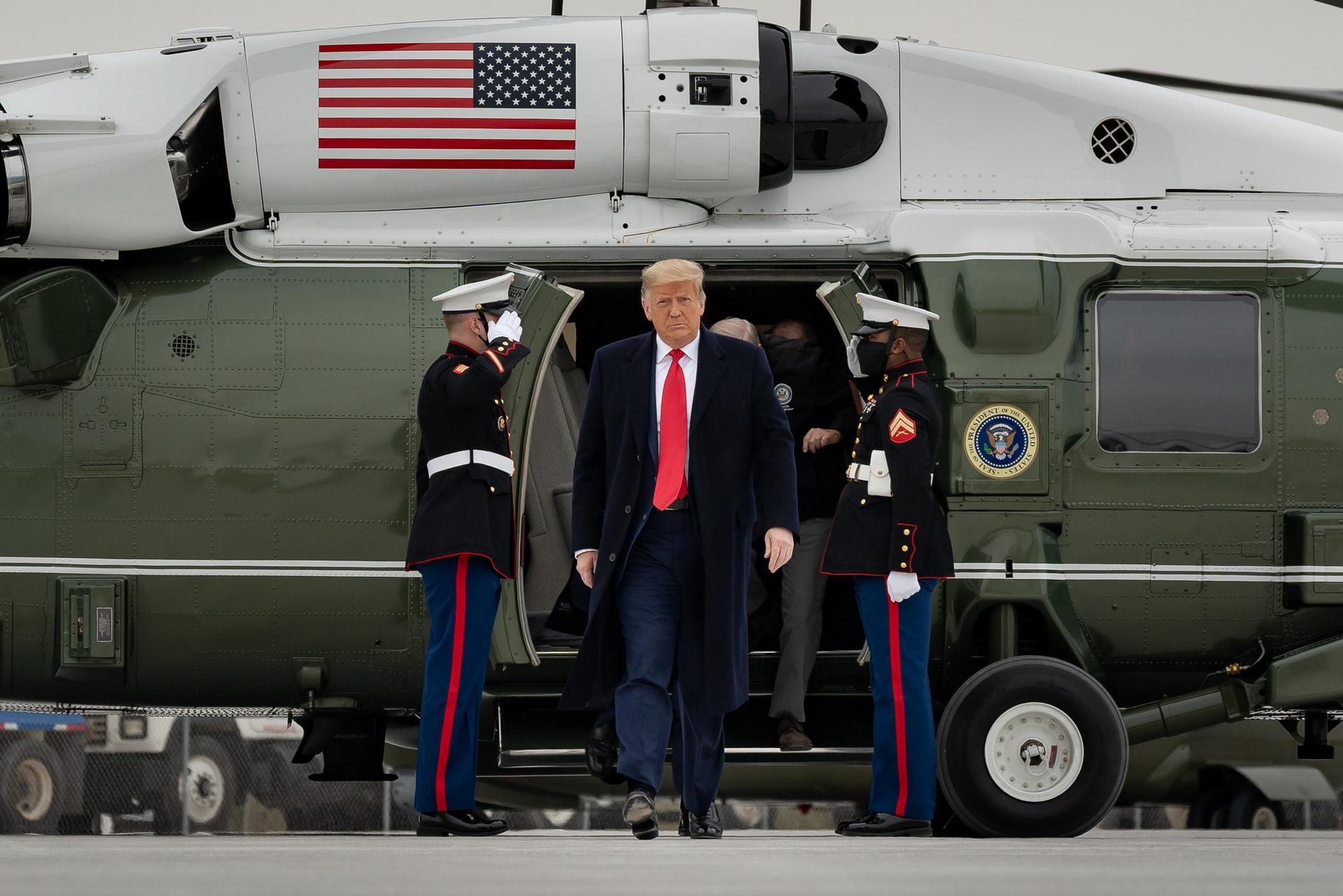
Trump Orders US Naval Blockade of Iranian Ports After Peace Talks Collapse
Trump ordered a naval blockade of Iranian ports in the Strait of Hormuz. Six merchant ships turned back; no vessel passed the blockade on day one.
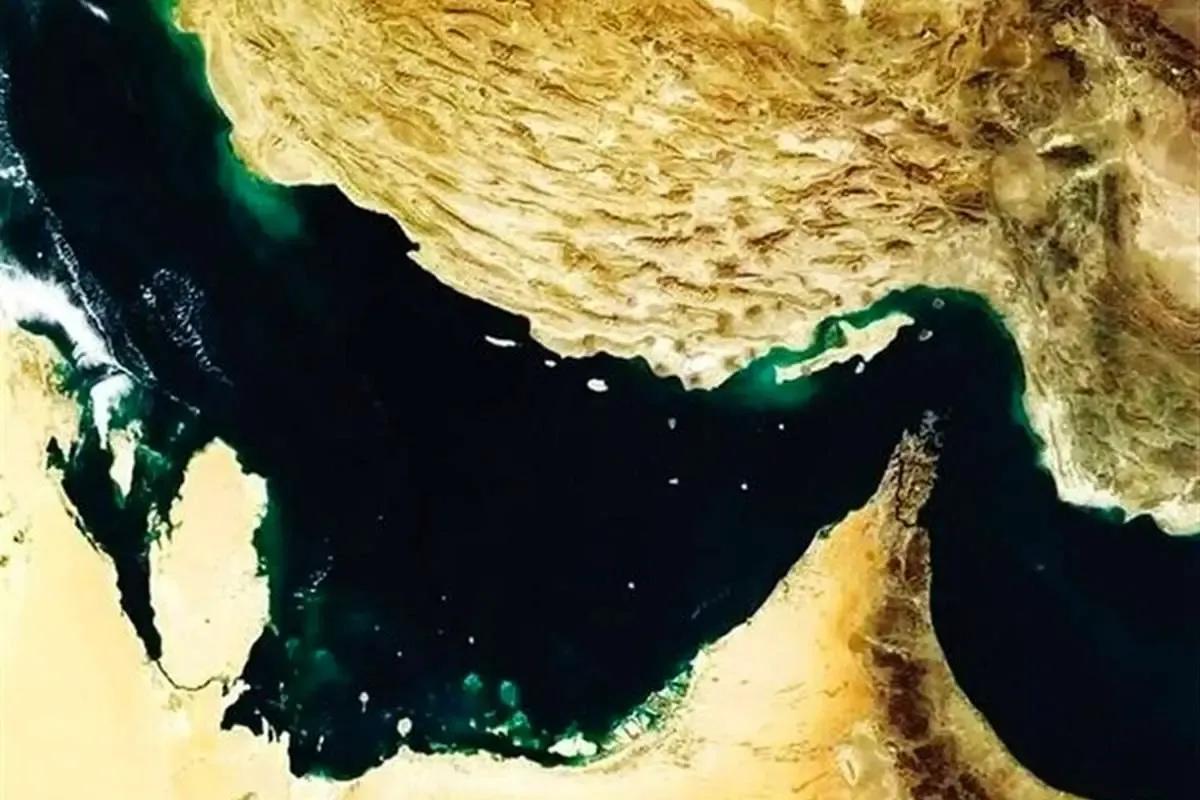
US-Iran Naval Blockade
President Trump ordered a US naval blockade of Iranian ports after peace talks collapsed. The blockade aims to prevent ships from entering or leaving Iranian ports but does not constitute a full closure of the Strait of Hormuz. The US military deployed more than 10,000 personnel and over a dozen warships to enforce the blockade.
In the first 24 hours, six merchant vessels complied with orders to turn around. A US-sanctioned Chinese tanker transited the strait, raising questions about enforcement. The blockade covers all of Iran's approximately 1,500-kilometer coastline.
Enforcement Challenges
Enforcing the blockade presents significant operational challenges given the volume of shipping traffic.
International law requires humanitarian aid to be allowed through.
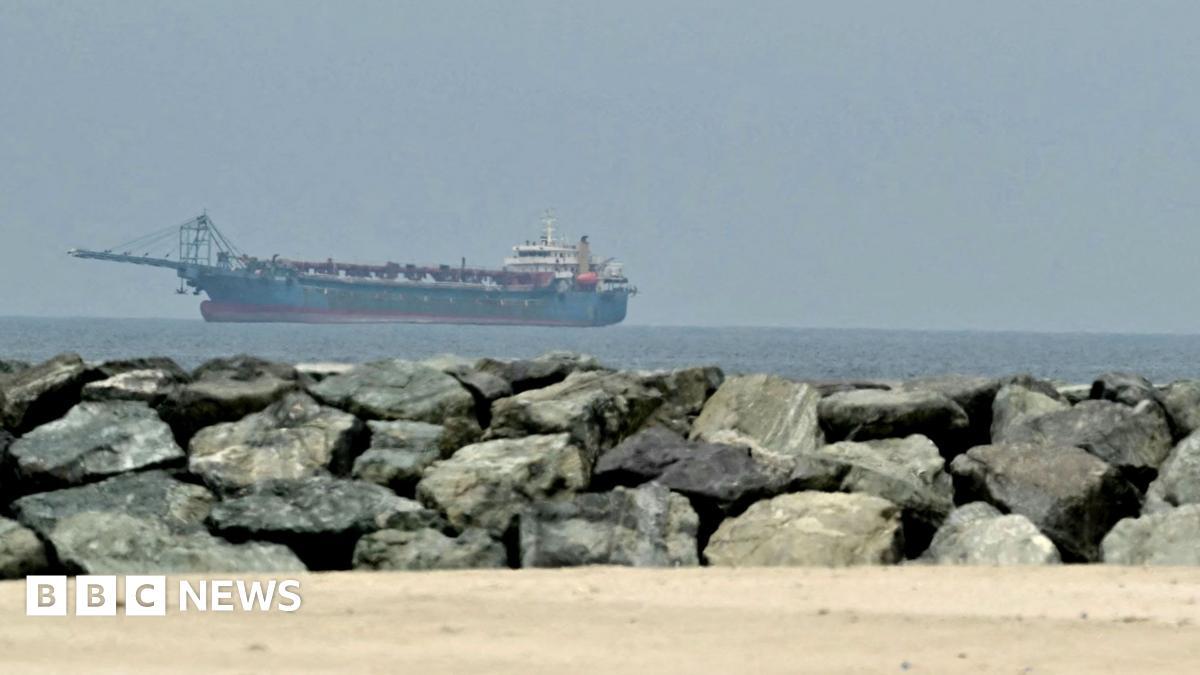
The blockade is selective and does not stop all shipping, creating a gray zone in enforcement.
Iran retains a powerful advantage due to the geography of the strait.
The USS George H.W. Bush carrier strike group rerouted around Southern Africa.
Global Economic Impact
The blockade has immediate implications for global energy markets and supply chains. Brent crude oil prices jumped above $100 per barrel after the announcement. The Strait of Hormuz facilitates about 20% of global oil flows.
Supply chain analysts warn that restrictions could disrupt essential goods. The International Rescue Committee called for a humanitarian corridor.
Diplomatic and Regional Fallout
Trump said talks with Iran could resume in Pakistan over the next two days. Israel and Lebanon held their first direct negotiations in Washington since the 1990s. China called the blockade dangerous and irresponsible.
Iran warned it would strike back if its ports were threatened. More than 3,000 people have been killed in Iran since the conflict began.