USA24 August, 20262 min read
United States Cancels Joint Amphibious Landing Exercises With South Korea Due To Iran War
U.S. canceled Ssangyong amphibious exercise with South Korea due to Iran war. South Korean Marines said Washington notified in June of limited forces.
18 outlets told this the same way.
Outlets did split on Trump Interrupted by Protesters at San Antonio Rally for Ken Paxton →
Ssangyong Cancelled
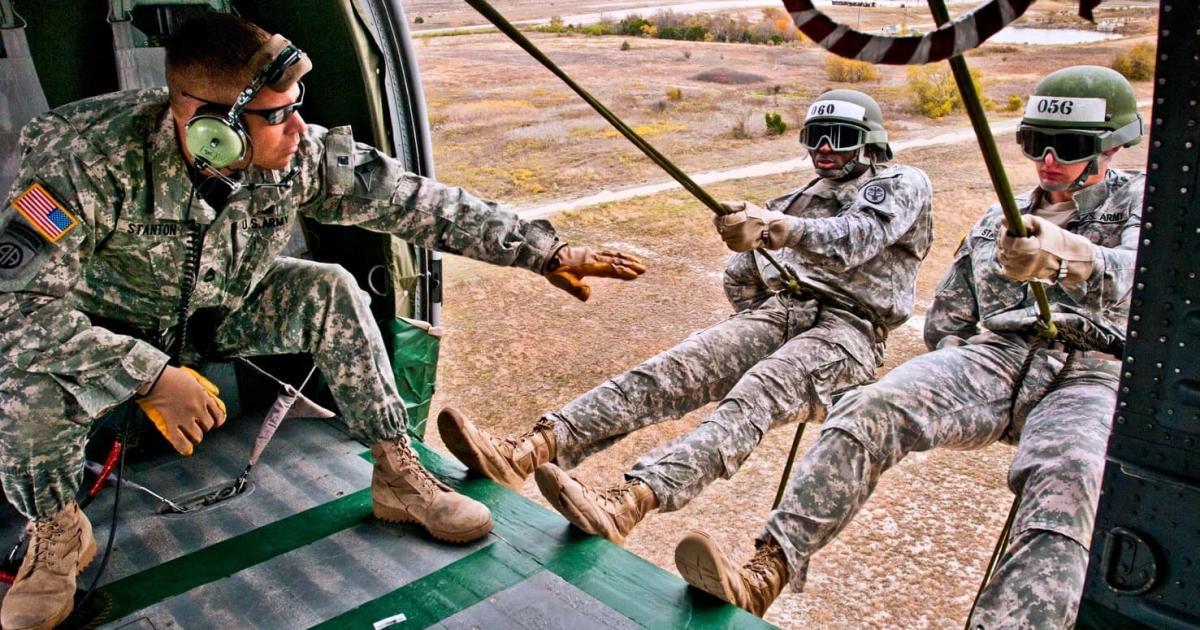
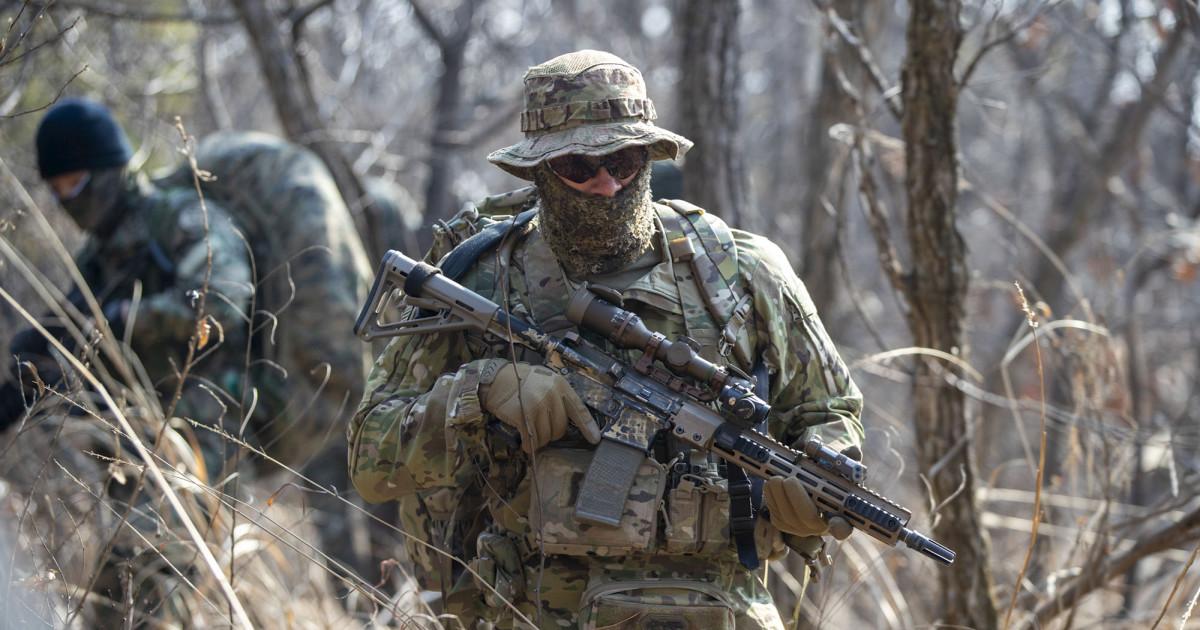
The United States canceled planned joint amphibious landing exercises with South Korea set for next month, after Washington cited limited American troop availability tied to the war in Iran. The Republic of Korea Marine Corps said the United States Marine Corps formally notified it in June that its ability to deploy personnel during this year’s edition of the Ssangyong exercise would be limited due to the situation in the Middle East, and Seoul said the cancellation followed that warning.
In parallel, the U.S. shortened the annual Ulchi Freedom Shield exercises, with Trump ordering the Pentagon to reduce their scope and with the exercise initially planned for 11 days ending on August 21, six days ahead of schedule. Reuters reported that the surprise decision Trump made last week to scale back joint military exercises with South Korea, which he described as hostile to Pyongyang, heightened fears among partners from Japan to India about the sustainability of U.S. security commitments in Asia.
Allies Question Reliability
Jeremy Chan of Eurasia Group said, "There is no doubt this decision will fuel growing skepticism in the region about the United States’ security commitments," as Japan feared becoming a target while Taiwan watched the anticipated summit between Trump and Chinese President Xi Jinping. A White House official told Reuters that Trump was frustrated by allies’ reluctance to back his war on Iran and stressed that many of them need to spend more on their defenses, while adding that Washington remains committed to working with Seoul.
In Japan, Itsunori Onodera said Trump’s push to meet Kim could backfire and embolden North Korea, calling it a "serious source of concern" for Tokyo in a Friday news program on Fuji TV. North Korea continued to denounce the reduced drills, with Reuters noting that Pyongyang launched a sequence of ballistic missiles off its eastern coast to declare South Korea and neighboring Japan on high alert.
What Comes Next
South Korea and the United States said they were continuing close consultations on resuming the Ssangyong exercise, but the Republic of Korea Marine Corps spokesperson Han Seung-jeon did not specify when it could be back in operation or what measures would offset lost training opportunities. The cancellation reopens questions about sustaining simultaneous commitments, because the Ssangyong exercise depends on having a substantial amount of U.S. personnel and assets available, while the war with Iran compels the United States to maintain and redistribute resources toward the Middle East.
“Seoul estimates that North Korea possesses between 80 and 120 such weapons.”
The stakes for deterrence and readiness were underscored by Reuters’ framing that partners reassess their ability to rely on Washington, and by the reporting that the reallocation of U.S. military assets to the Middle East fueled concerns that U.S. deterrence against China is eroding. In Seoul’s view, the Ulchi Freedom Shield reduction was justified by Trump’s claim that it sent an "inappropriate and hostile" signal to North Korea, while the RFI report said Seoul and Washington were continuing consultations on resuming the joint exercise without further details.