
US Navy Destroyers Transit Strait of Hormuz Without Iranian Coordination Amid Ceasefire Talks
Key Takeaways
- Two U.S. destroyers transited the Strait of Hormuz to commence mine-clearing operations.
- Transit occurred amid ongoing U.S.-Iran ceasefire negotiations targeting a 45-day agreement.
- Iran disputed the passage, denying the transit and warning off U.S. vessels.
US Navy Transits Hormuz
Two U.S. Navy guided-missile destroyers transited the Strait of Hormuz, the first since the offensive began.
CENTCOM announced the transit as part of a mine-clearing operation.
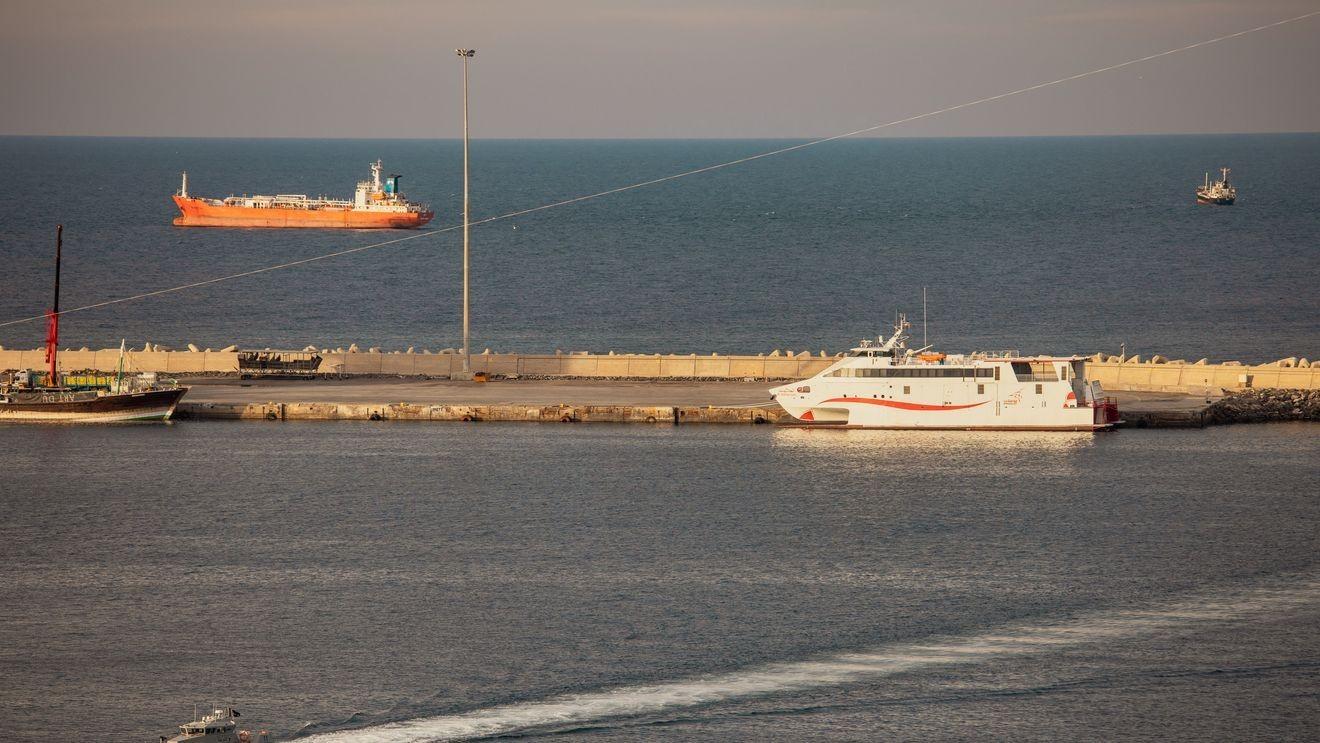
President Trump proclaimed the U.S. was starting the process of clearing out the Strait of Hormuz as a favor to Countries all over the World.
The transit occurred without coordination with Iranian authorities.
Iran initially warned a U.S. vessel it would be attacked within 30 minutes.
The passage came amid ongoing U.S.-Iran ceasefire talks in Islamabad.
Conflicting Reports
Conflicting accounts emerged over the transit.
Axios cited U.S. officials saying several Navy ships had passed through.

Iranian state television reported a warning was issued to a U.S. vessel threatening an attack within 30 minutes.
A senior Iranian military official later denied that any U.S. ship had crossed.
The Times of India reported the vessel reportedly retreated after the warning.
The competing claims left the situation unclear.
Strategic and Legal Implications
The Strait of Hormuz handles roughly 20% of global oil shipments.
The U.S. transit was described as a freedom-of-navigation operation.
Iran announced the presence of mines and laid out two paths for ships to avoid them.
The U.S. Navy's mine countermeasures rely on unmanned and helicopter-borne systems.
International law provides transit passage rights through international straits.
The current situation tests the boundaries between legal rights and diplomatic conventions.
Diplomatic Context
The transit occurred as U.S. and Iranian negotiators met in Pakistan for direct talks.
The talks were the first face-to-face contact since 1979.

The war that killed thousands entered its seventh week.
The blockade of the Hormuz Strait had been the key leverage held by Tehran.
The question of whether the ceasefire would extend to Lebanon was a thorny point.
More on Iran
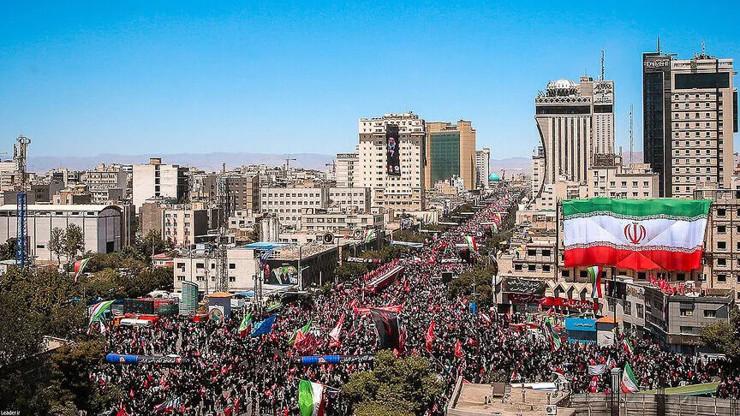
Israeli Strike Kills Ayatollah Ali Khamenei, Buried at Imam Reza Shrine in Mashhad
19 sources compared
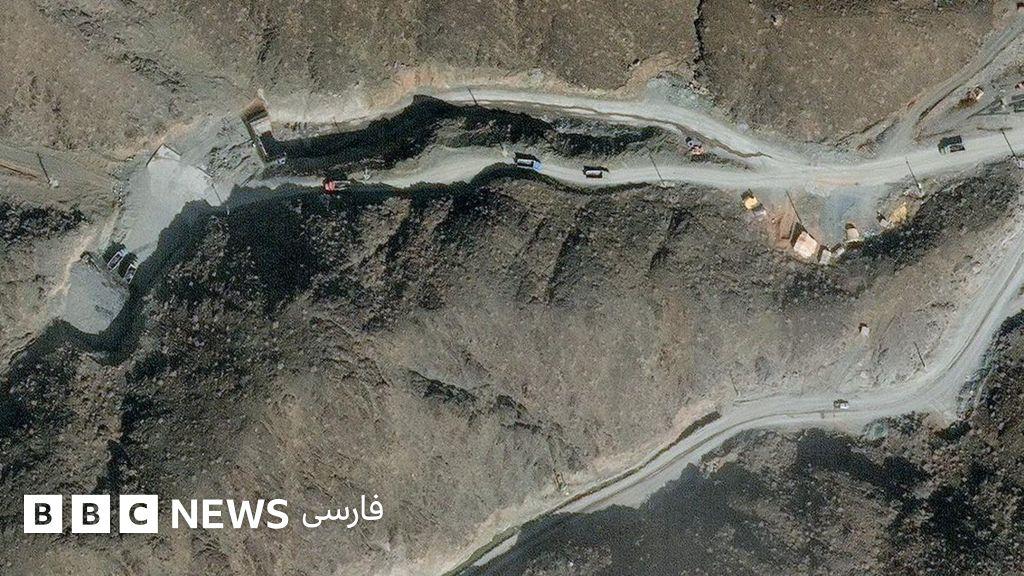
Iran Attempts To Restore Nuclear Sites Damaged In US And Israel Strikes, CNN Satellite Images Show
15 sources compared
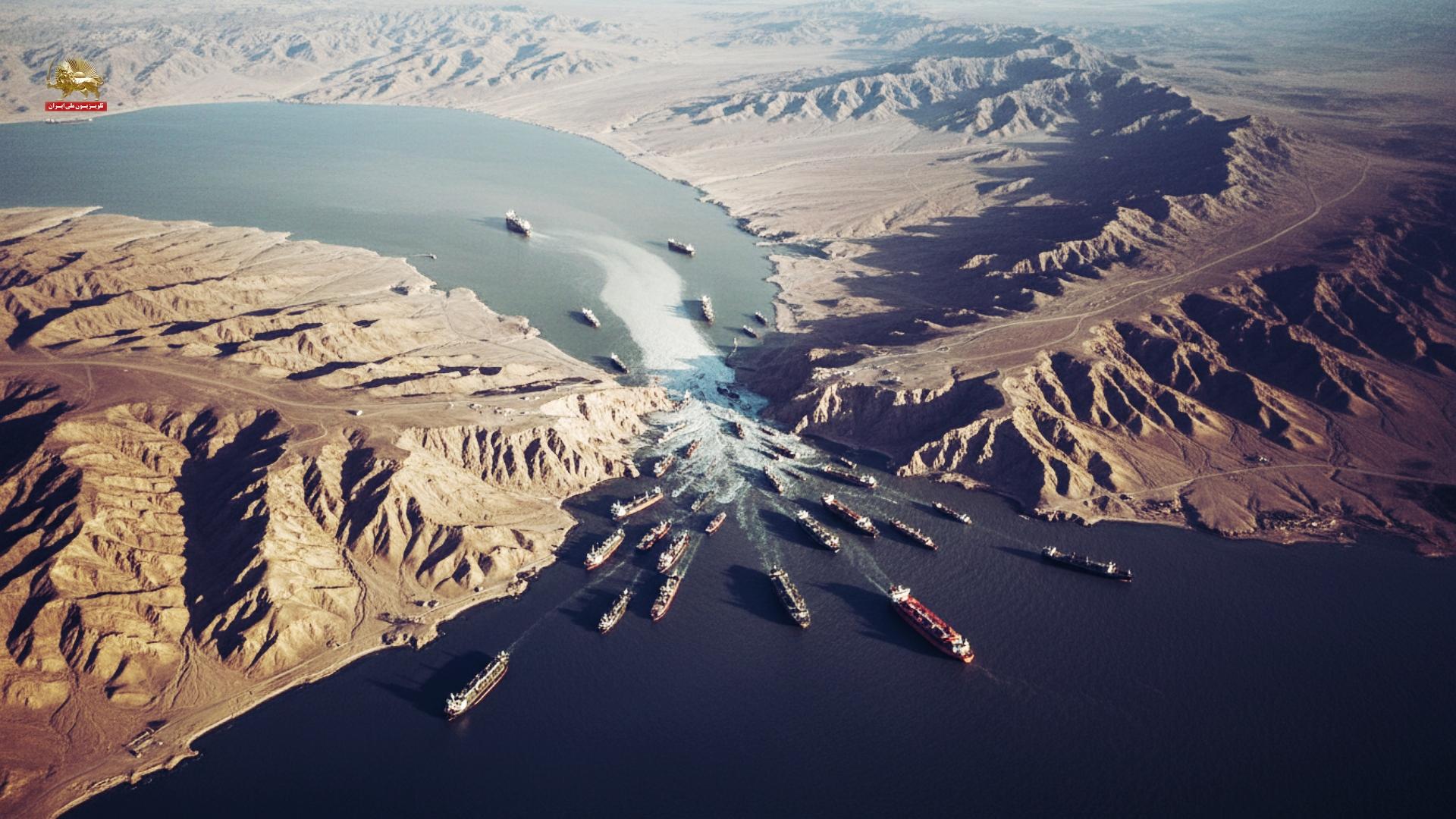
Abbas Araghchi and Prince Faisal Bin Farhan Discuss Regional Developments After US Attacks
11 sources compared

Trump Says U.S. Agreed to Continue Iran Talks, Ceasefire Is Over
19 sources compared