Iran13 March, 20264 min read
US Offers $10 Million Reward for Information on Iran's Supreme Leader Mojtaba Khamenei and IRGC
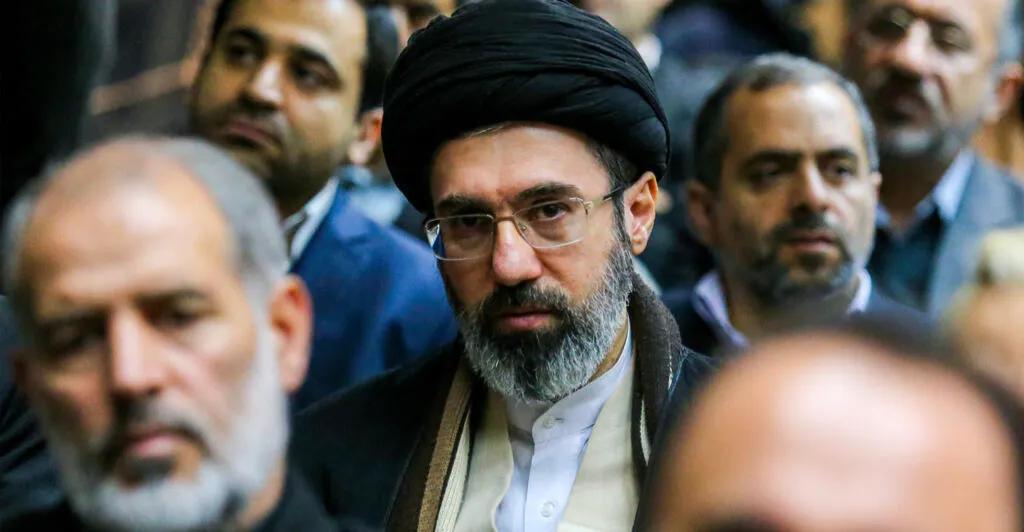
Mojtaba Khamenei is the new Supreme Leader targeted in the reward. Up to $10 million offered for information on ten IRGC and security officials.
US Reward Announcement
The United States State Department has announced a substantial $10 million reward for information leading to the identification or location of Iran's new Supreme Leader Mojtaba Khamenei and nine other senior Iranian military and intelligence officials. This reward offer, formally published through the State Department's Rewards for Justice program on March 13, 2026, specifically targets individuals connected to Iran's Islamic Revolutionary Guard Corps (IRGC). Washington accuses the IRGC of planning and executing terrorist operations worldwide.
“The United States government has announced a reward of up to $10 million for actionable information on ten senior Iranian military and intelligence figures, including Iran's newly appointed Supreme Leader, Ayatollah Mojtaba Khamenei.”
Among the key figures named are Iran's newly appointed Supreme Leader Mojtaba Khamenei, who assumed the role following the death of his father Ali Khamenei in joint U.S.-Israeli military strikes on February 28. Other senior officials targeted include Security Chief Ali Larijani, Intelligence Minister Esmail Khatib, and Interior Minister Eskandar Momeni.
Leadership Transition
Mojtaba Khamenei's ascension to Supreme Leader occurred under extraordinary circumstances following the February 28 joint U.S.-Israeli military operation that killed his father, former Supreme Leader Ali Khamenei, along with several top Iranian officials.
U.S. Defense Secretary Pete Hegseth has stated that the new Iranian leader was 'wounded and likely disfigured' in the attacks that eliminated his father.
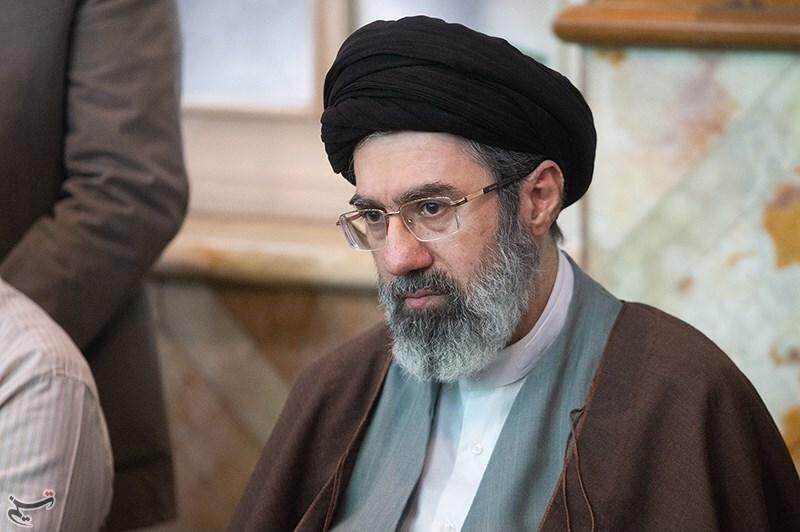
Despite this, Mojtaba Khamenei has issued his first official statement and remains in power.
Contradicting U.S. claims that Iranian leadership was hiding underground, Iranian Security Chief Ali Larijani was spotted on Friday in verified footage attending a rally in Tehran alongside President Masoud Pezeshkian and Foreign Minister Abbas Araqchi.
The reward program specifically seeks information on individuals who 'command and direct various elements of Iran's Islamic Revolutionary Guard Corps, which plans, organizes and executes terrorism around the world,' according to the State Department's Rewards for Justice program.
Targeted Officials
The comprehensive list of individuals targeted by the U.S. reward program includes both named officials and those referred to by position. Specifically named targets include Mojtaba Khamenei himself, along with Ali Asghar Hejazi (the slain former supreme leader's deputy chief of staff). Other named individuals include Ali Larijani (Iran's Security Chief and Secretary of the Supreme National Security Council), Esmail Khatib (Minister of Intelligence and Security), Eskandar Momeni (Interior Minister), and Yahya Rahim Safavi (Senior Military Adviser).
“Along with the new leader, the US is seeking information on: Ali Asghar Hejazi: Deputy Chief of Staff to the Supreme Leader, Ali Larijani: Iran's Security Chief and Secretary of the Supreme National Security Council, Secretary of the Defense Council, Advisor to the Supreme Leader, Maj. Gen. Yahya Rahim Safavi SLO Military Adviser, Military Office Chief, SLO, Esmail Khatib: Minister of Intelligence and Security.”
Four additional positions are referenced without identifying specific individuals: the secretary of the Supreme Defense Council, the head of the Supreme Leader's military office, the commander-in-chief of the IRGC, and an adviser to the Supreme Leader. The U.S. has urged individuals with information about these officials or senior IRGC commanders to submit tips through encrypted messaging platforms or via a Tor-based communication channel, with credible information potentially attracting the full $10 million reward and possible relocation to the United States.
Military Escalation
The $10 million reward announcement comes amid intensified U.S.-Israeli military operations against Iran, with U.S. officials claiming significant progress in degrading Iranian military capabilities.
U.S. Defense Secretary Pete Hegseth announced that the U.S.-Israeli coalition has struck more than 15,000 Iranian targets since the conflict began.
&w=1920&q=75)
Hegseth claimed that missile attacks from Iran have reportedly fallen by 90% and drone strikes by 95%.
He further stated that 'Iran has no air defenses, Iran has no air force, Iran has no navy,' and predicted that 'very soon, all of Iran's defense companies will be destroyed.'
However, these claims of Iranian weakness contrast with ongoing retaliatory actions by Iran, which has launched drone and missile strikes targeting Israel, Jordan, Iraq, and Gulf countries hosting U.S. military assets.
The Israeli military has reported significant losses, stating that between 4,000 and 5,000 Iranian soldiers and commanders have been killed in Israeli strikes since the war began.
Strategic Targeting
Strategically, the U.S. reward program appears designed to create intelligence gaps and potentially sow divisions within Iran's leadership structure by targeting specific military and security officials while deliberately omitting certain civilian leaders. Notably absent from the reward list are Iran's President Masoud Pezeshkian, Chief Justice Gholam-Hossein Mohseni-Eje'i, and Ayatollah Alireza Arafi, the three men who collectively led Iran after Supreme Leader Ayatollah Ali Khamenei's assassination on February 28. This selective targeting suggests a calculated approach to intelligence gathering and potentially creating internal tensions within Iran's power structure.
“Notably, the call to action doesn't list all of Iran's political leadership as targets for arrest or elimination. Among those omitted are the three men who collectively led Iran after Supreme Leader Ayatollah Ali Khamenei's assassination on Feb. 28: President Masoud Pezeshkian, Chief Justice Gholam-Hossein Mohseni-Eje'i and Ayatollah Alireza Arafi.”
The reward mechanism itself offers both financial incentives ($10 million) and the possibility of relocation to the United States for informants, creating a powerful motivator for individuals with access to sensitive information. The timing of the announcement, coming during Tehran's annual pro-Palestinian demonstration where some of the targeted officials were seen in public, adds another layer of psychological warfare to the U.S. strategy.
