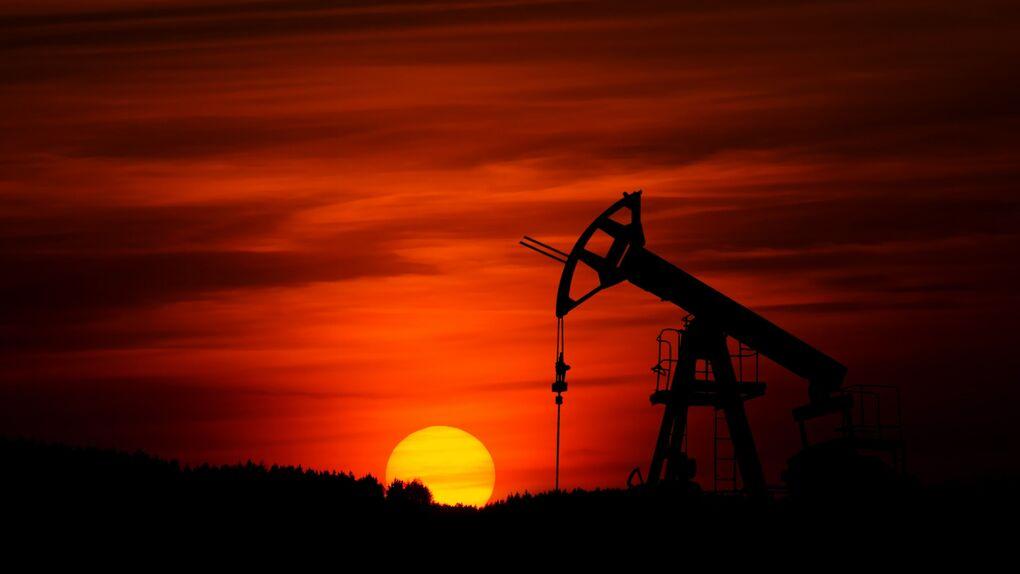
US operation in Venezuela captures President Nicolás Maduro, Oil rises.
Key Takeaways
- Maduro captured by US forces in Caracas and flown to New York.
- Oil prices rose after the US operation and Maduro's capture.
- Global leaders condemned the intervention as violation of sovereignty and international law.
US Capture Operation
The United States conducted a dramatic military operation in Caracas on January 3, 2026, capturing Venezuelan President Nicolás Maduro in what experts described as an internal betrayal-fueled incision on the Miraflores Palace.
The operation, characterized by Trump as 'impressive' with no American casualties or equipment lost, represents an extraordinary escalation in US-Venezuela relations.

The Venezuelan government immediately declared a 'state of external disturbance' and implemented all national defense plans, while Vice President Delcy Rodriguez publicly demanded 'proof of life' for the captured president and his wife Cilia Flores.
The operation appears to have exploited evident divisions within the Bolivarian Armed Forces and the failure of Cuban counterintelligence, which had been historically influential in Maduro's security apparatus, suggesting a regime that no longer fully controlled the coercive levers of the state.
Oil Resource Motive
The operation's primary driving force appears to be Venezuela's vast oil resources, with Trump explicitly stating that Venezuelan oil was 'stolen' and belongs to the United States.
The country possesses the world's largest crude oil reserves, approximately 303 billion barrels representing 17% of the global total, surpassing Saudi Arabia's OPEC leadership.
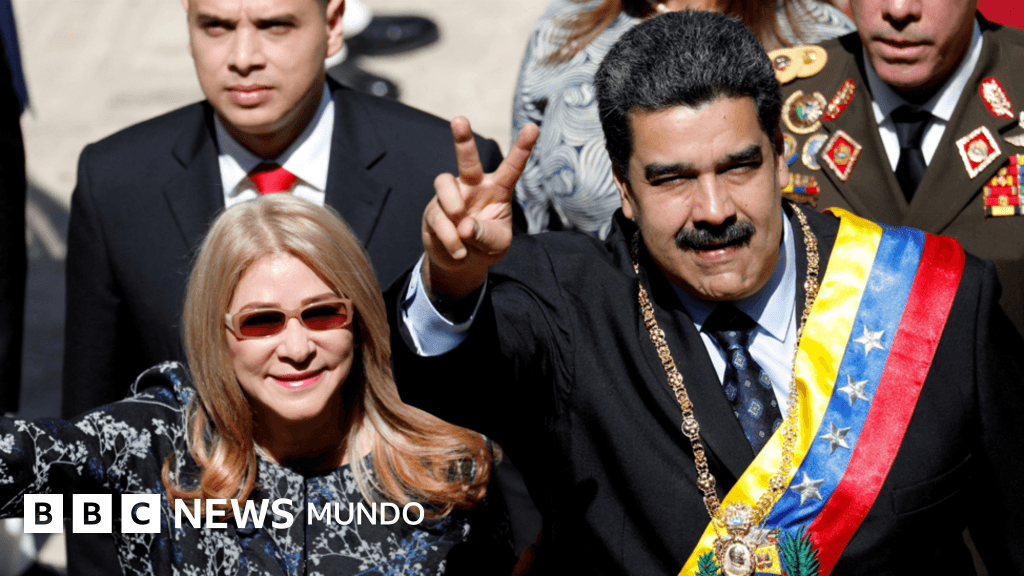
However, these massive reserves remain severely underutilized, with exports barely representing 1% of global production due to industry deterioration and sanctions.
Trump announced plans for American multinationals to participate in reconstructing Venezuela's oil infrastructure, suggesting the US will 'establish our largest American oil company and make money for Venezuela' during the transition period.
This resource grab approach has drawn criticism from international observers who see it as neocolonial exploitation rather than genuine aid.
Global Reactions
The international community reacted sharply to the US operation, with reactions sharply divided along ideological lines.
“Brazil's President Luiz Inacio Lula Da Silva wrote on X that the actions "cross an unacceptable line", adding that "attacking countries in flagrant violation of international law is the first step toward a world of violence, chaos, and instability"”
Russia, China, Iran, and Cuba all condemned the attack as a 'flagrant violation of national sovereignty and territorial integrity,' with Russia urging the US to release the 'legally elected president' and Cuba denouncing it as 'state terrorism.'
The European Union called for 'restraint' and respect for international law, while Spain offered to mediate in the crisis.
In Latin America, reactions were similarly polarized: Argentine President Javier Milei celebrated with 'Freedom advances. Long live freedom,' while Colombian President Gustavo Petro condemned it as an 'aggression against sovereignty of Latin America' and deployed troops to the border.
The Venezuelan opposition led by Maria Corina Machado welcomed the 'hour of freedom' and called for mobilization to reconstruct the nation, though Trump suggested it would be 'very difficult' for her to preside due to lack of domestic support.
Oil Market Response
The oil market reacted unexpectedly to the Venezuelan crisis, with crude prices actually declining in the immediate aftermath despite the instability.
Brent crude opened with losses of more than 0.7% to $60 per barrel, while WTI fell around 1% to $56 per barrel.
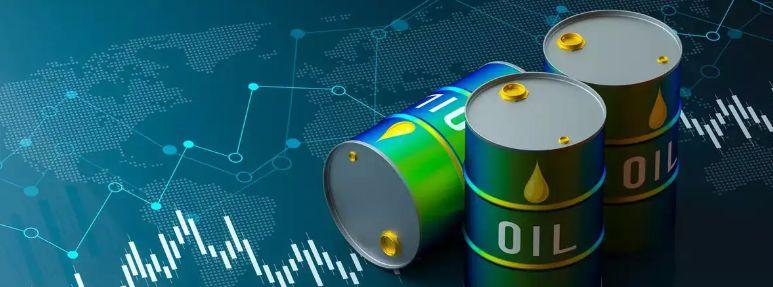
Analysts suggest the muted response reflects several factors: Venezuela's current production of less than one million barrels per day represents minimal impact on global supply, the market is already oversupplied, and any significant production increase would require massive investments over many years.
Experts note that restoring Venezuela to its pre-crisis production levels of nearly 3.5 million barrels per day would require hundreds of billions of dollars in infrastructure modernization.
While Trump promised American companies would spend billions repairing deteriorated infrastructure, market participants remain skeptical about the timeline and feasibility of such investments, with some analysts suggesting any price impact could remain limited to a 1-3 dollar per barrel range in the short term.
Legal Concerns
Legal experts and constitutional scholars have raised serious questions about the operation's legitimacy, with many characterizing it as an unlawful 'kidnapping' that violates core principles of the United Nations Charter.
Mary Ellen O'Connell, a professor at Notre Dame Law School, noted that 'if you detain someone unlawfully, if you take someone into your custody and you do not have the legal right to do that, then what else would you call it?'

The operation also raises constitutional questions within the United States itself, as the Constitution assigns Congress the exclusive power to declare war, though no such authorization exists for Venezuela operations.
The Trump administration has previously demonstrated a pattern of bypassing congressional notification requirements, having told only Republicans about the Iranian nuclear strike in June 2025 while excluding Democrats.
This pattern of unilateral military action has created significant concerns about executive overreach and the erosion of established norms governing international relations and war powers.
More on South America

Rubio Testifies as Key Witness in Rivera Foreign-Agent Trial
54 sources compared

Colombia's Air Force Hercules C-130 crashes after takeoff; death toll 34–66.
336 sources compared
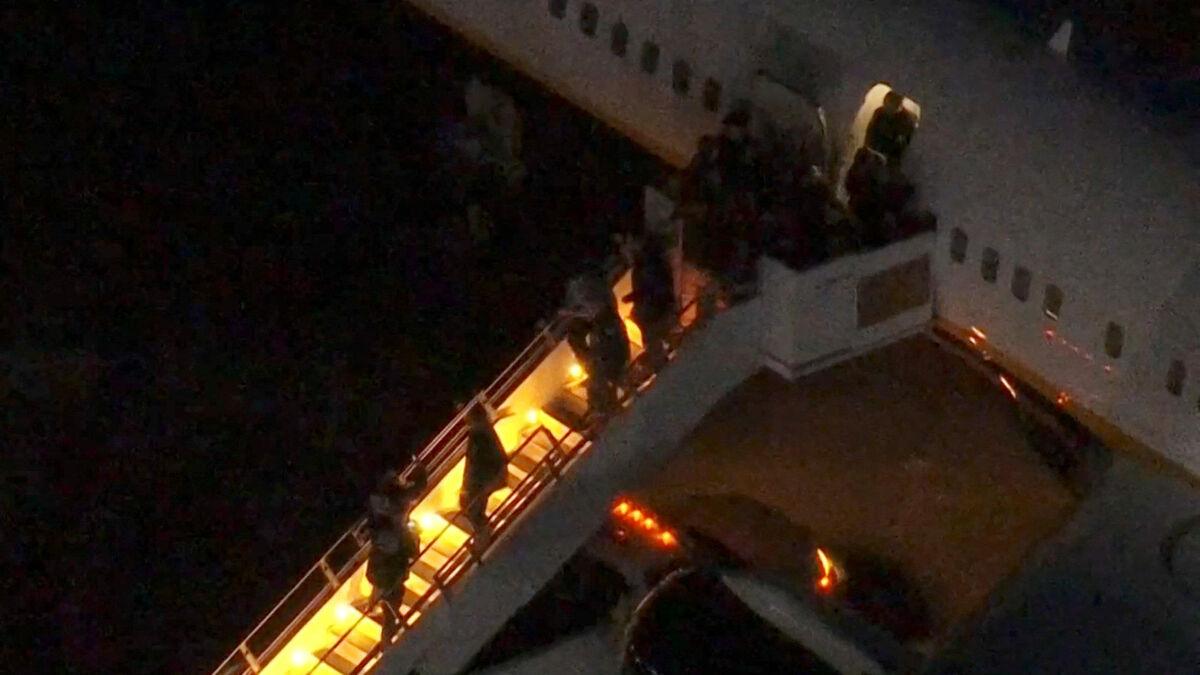
US Captures Nicolás Maduro, Flies Venezuelan President to New York
24 sources compared
Nuevitas thermoelectric plant triggers Cuba's second nationwide blackout in less than a week
30 sources compared