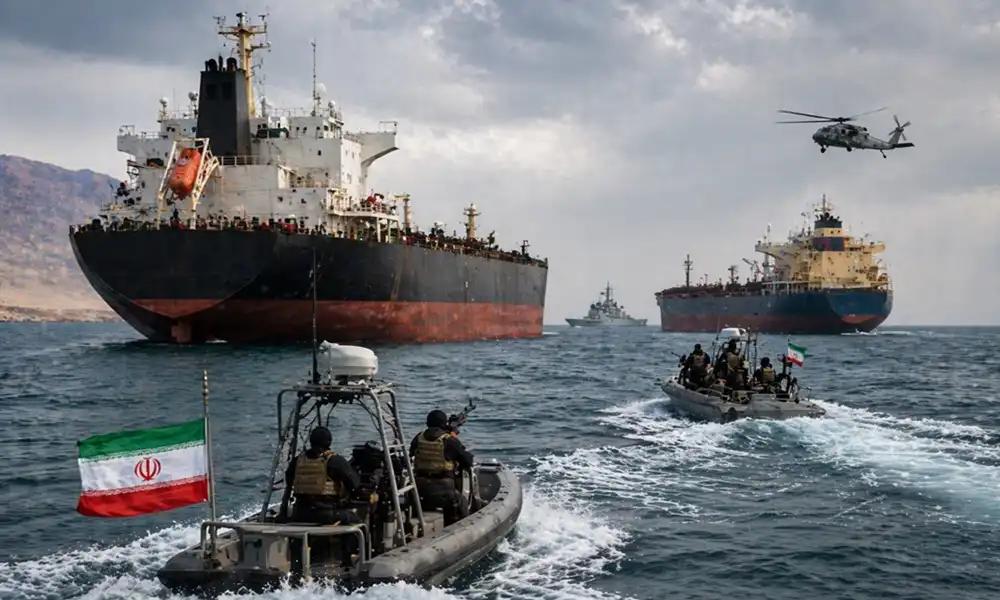
U.S. Prepares Extended Blockade of Iran’s Ports and Strait of Hormuz, Pentagon Estimates $25 Billion
Key Takeaways
- Iran offered to reopen Strait of Hormuz if U.S. lifts blockade and ends the war.
- Oil prices rose above $120 per barrel amid reports of extended Hormuz blockade.
- The Pentagon estimates about $25 billion cost for the two-month operation.
US-Iran standoff hardens
The United States and Iran remain locked in a confrontation over the Strait of Ormuz after failed talks, with the U.S. preparing for what multiple outlets describe as an extended or prolonged blockade of Iran’s ports and the strait.
“Omani and UN reaffirm the need to resume navigation in the Strait of Hormuz During a phone call between Oman’s Foreign Minister and UN Secretary-General António Guterres Hussien Elkabany April 30, 2026 • Updated: April 30, 2026 Istanbul, Turkey Istanbul / Anadolu Agency Oman and the United Nations, on Wednesday evening, stressed the necessity of resuming navigation in the Strait of Hormuz, and the flexibility of the crisis parties to reach a solution”
El Mundo says the Pentagon for the first time disclosed a figure for war costs, estimating that “in two months $25 billion has been spent, most of it on munitions,” and it places the confrontation in the context of a “fragile ceasefire with the US and Israel.”

BBC reports that oil prices surged after reports the U.S. is preparing for an “extended” blockade, with Brent crude rising “above $120 (£89) a barrel” and briefly hitting “$122,” its highest price since 2022.
NBC News adds that the standoff, including the continued U.S. naval blockade, means the key trade route has been “effectively blocked for two months,” and it ties the pressure to consumer impacts and energy prices.
NPR frames the diplomatic picture as deadlock, saying “Deadlock over Iran’s nuclear program and the Strait of Hormuz cripples peace efforts,” while noting that Trump’s online posts claim Iran wants the strait opened urgently.
In parallel, AP reports Iran offered to reopen the Strait of Hormuz if the U.S. lifts its blockade and ends the war, but it says Trump seems unlikely to accept, and it highlights that the proposal would postpone nuclear discussions.
Across the reporting, the Strait of Hormuz is repeatedly described as a choke point for global energy flows, with BBC saying it usually carries “about a fifth of the world’s supply of oil and liquid natural gas.”
Money, markets, and blockade
The blockade and the prospect of prolonged disruption are being tracked through both military and market signals, with outlets tying the pressure to rising energy prices and to the U.S. cost of the conflict.
El Mundo reports that oil prices jumped “about 5% this Wednesday” after the Wall Street Journal reported that Trump ordered preparations for a “long blockade of Iran's ports and the Strait of Ormuz,” and it says Trump wrote on Truth Social that Iran “cannot come to an agreement” nor “knows how to sign a non-nuclear deal.”
BBC similarly reports that Brent crude rose above $120 and briefly hit $122, describing the move as a reaction to expectations that the “effective closure of the Strait of Hormuz will continue for a long time.”
NBC News adds that gas price averages in the U.S. reached “$4.23 a gallon,” and it says Brent surged to “$115 a barrel early Wednesday,” while also noting the Iranian rial hit a record low against the dollar.
El Mundo also places the confrontation in a wider economic frame, saying the closure of Ormuz is “putting pressure on both sides and impacting the global economy,” and it describes frustration as dozens of nations reiterate calls to open the critical waterway for “humanitarian and economic relief.”
The Pentagon cost disclosure is echoed in multiple places: El Mundo cites the Pentagon estimate of “$25 billion” over two months, and it quotes acting Undersecretary of War for Financial Affairs Jules Hurst saying, “To date, we are spending approximately $25,000 million on the Operation 'Epic Fury'.”
NBC News describes internal U.S. discussions as well, saying Trump’s national security team presented options for whether the U.S. military presence in the strait should change and whether operations should become “more aggressive.”
Trump’s warnings and red lines
Trump’s public posture is presented as both a warning to Iran and a constraint on diplomacy, with NBC News and NPR quoting his language and describing how the White House frames the nuclear issue as a non-negotiable.
“Skip to main content Apr 26, 2026 - Politics & Policy Iran offers U”
NBC News reports that Trump warned Iran “better get smart soon” as he weighed military options, and it quotes his Truth Social post: “Iran can’t get their act together. They don’t know how to sign a nonnuclear deal. They better get smart soon!”
It also says the post included an image with the message “NO MORE MR. NICE GUY!” and it notes that Trump’s administration has publicly insisted Tehran must halt enrichment.
NBC News quotes White House spokesperson Anna Kelly saying, “The president will only enter into an agreement that puts U.S. national security first, and he has been clear that Iran can never possess a nuclear weapon.”
NPR reports that Trump wrote that Iran “has just informed us that they are in a 'State of Collapse,'” and that “They want us to 'Open the Hormuz Strait,' as soon as possible,” while the article emphasizes that the nuclear program deadlock remains central.
CNBC adds that White House press secretary Karoline Leavitt confirmed Trump and his national security team discussed Iran’s proposal, but she said the president’s “red lines with respect to Iran have been made very, very clear.”
CNBC and AP both quote Secretary of State Marco Rubio arguing that any deal must “definitively prevents them from sprinting towards a nuclear weapon at any point.”
Iran’s offer and US response
Iran’s proposal to reopen the Strait of Hormuz is described as conditional on lifting the U.S. blockade and ending the war, while postponing nuclear negotiations, and the U.S. response is portrayed as skeptical or constrained by its nuclear demands.
AP reports that Iran offered to end its chokehold “if the U.S. lifts its blockade on the country and ends the war,” and it says the proposal would “postpone discussions on the Islamic Republic’s nuclear program.”

AP also says the offer was passed to Americans by Pakistan and that Trump seems unlikely to accept, while it quotes Rubio ruling out any deal that excludes Iran’s nuclear program.
CNBC similarly says Trump and his national security team discussed the proposal, and it describes the proposal as postponing negotiations on Tehran’s nuclear ambitions for a later date.
CNBC also includes Rubio’s critique of what “opening the straits” would mean under Iran’s terms, quoting him: “Yes, the straits are open, as long as you coordinate with Iran, get our permission, or we'll blow you up and you pay them.”
Axios adds additional detail on the diplomatic mechanics, saying Iran gave the U.S. a proposal “to reopen the Strait of Hormuz and end the war, with nuclear negotiations postponed for a later stage,” and it says the proposal would bypass the nuclear issue to reach a faster deal.
Even with discussion confirmed, the reporting emphasizes that the U.S. is not prepared to accept a deal that leaves nuclear disputes unresolved, as Rubio’s comments and the White House’s “red lines” language recur across outlets.
Escalation risks and next steps
The reporting also lays out how the U.S. is weighing military options and how the blockade is being used as leverage, while other outlets describe the diplomatic and political constraints that make escalation harder to avoid.
“President Donald Trump and his national security team on Monday discussed Iran's proposal to reopen the Strait of Hormuz if the U”
NBC News says members of Trump’s national security team presented him with multiple options, including whether the U.S. military presence should change and whether operations should become more aggressive, and it notes Trump had not made any decisions about the way forward.
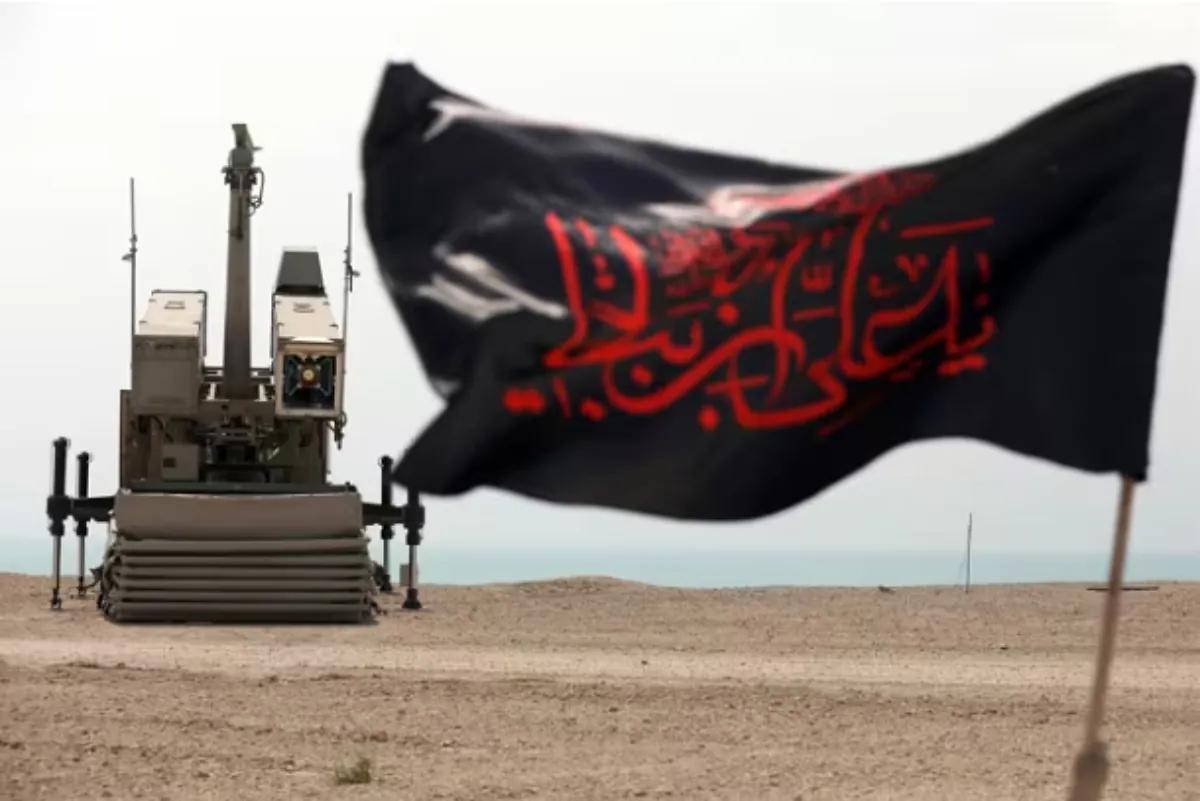
The Sunday Guardian describes reports that Washington is preparing for a “short and powerful” wave of military strikes on Iran as peace talks stall, and it says the Pentagon estimates the ongoing operation has already cost around “$25 billion.”
The Guardian adds a different framing, portraying Trump as in a “tough spot” and quoting Carnegie analyst Aaron David Miller saying, “This has gone from being a war of choice to a war of necessity,” while it describes the strait’s closure as blocking “a fifth of the global oil trade.”
NPR and AP both emphasize the fragility of the broader diplomatic effort, with NPR describing deadlock over nuclear issues and the strait, and AP describing renewed demands by dozens of nations to end the blockade and the humanitarian toll.
AP quotes António Guterres telling the Security Council, “These pressures are cascading into empty fuel tanks, empty shelves — and empty plates,” and it reports that German Chancellor Friedrich Merz criticized the U.S. for going into the war without strategy, saying, “It’s not just about getting in. You also have to get out.”
El Mundo adds that the IRGC Navy warned it “will use its new moves” if the U.S. attacks again, quoting the political deputy head reported by Fars: “If the United States makes another miscalculation and attacks Iran, the IRGC Navy will use its new moves [..] and destroy the regime's gigantic ships, leaving them out of service.”
More on USA

King Charles III Delivers Joint Address to Congress in Washington, Cites Bonds With United States
11 sources compared

U.S. Supreme Court Voids Louisiana’s Majority-Black District, Weakening Voting Rights Act
15 sources compared
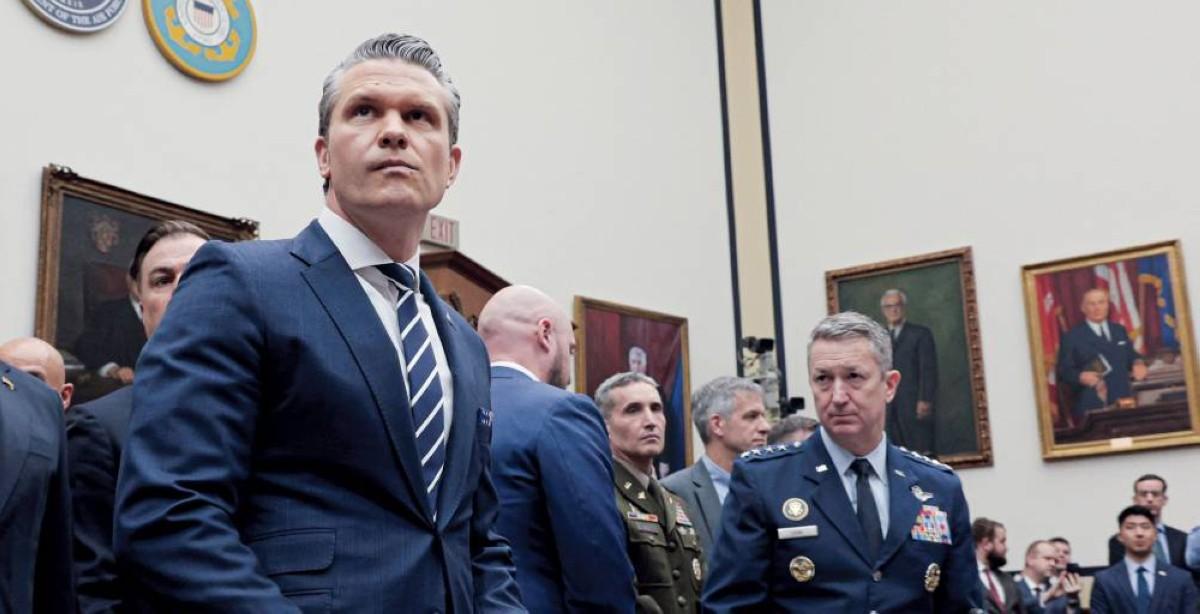
Donald Trump Posts AI Image With Rifle, Threatens Iran With “No More Mr. Nice Guy”
13 sources compared
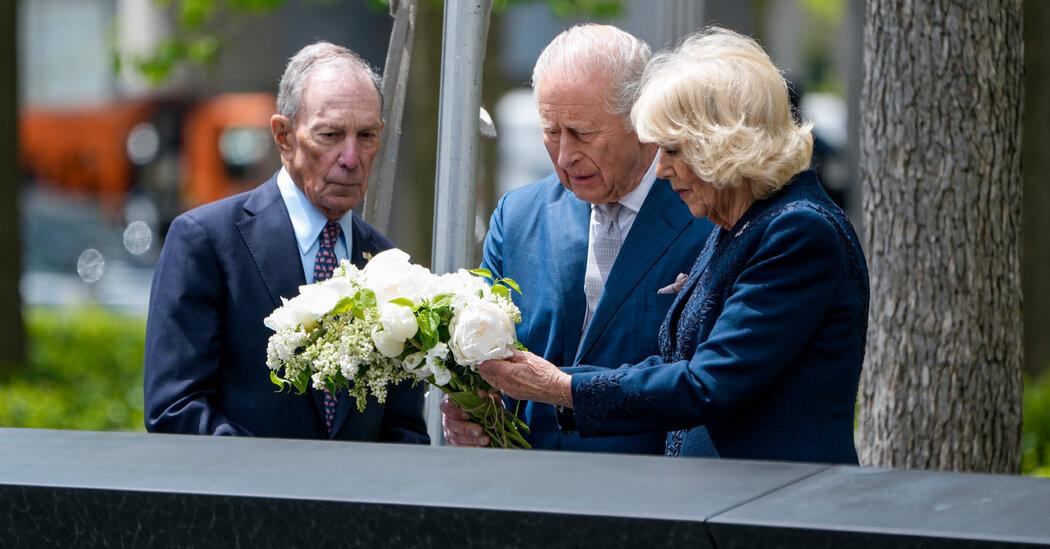
King Charles III And Queen Camilla Visit New York 9/11 Memorial Ahead Of 25th Anniversary
14 sources compared