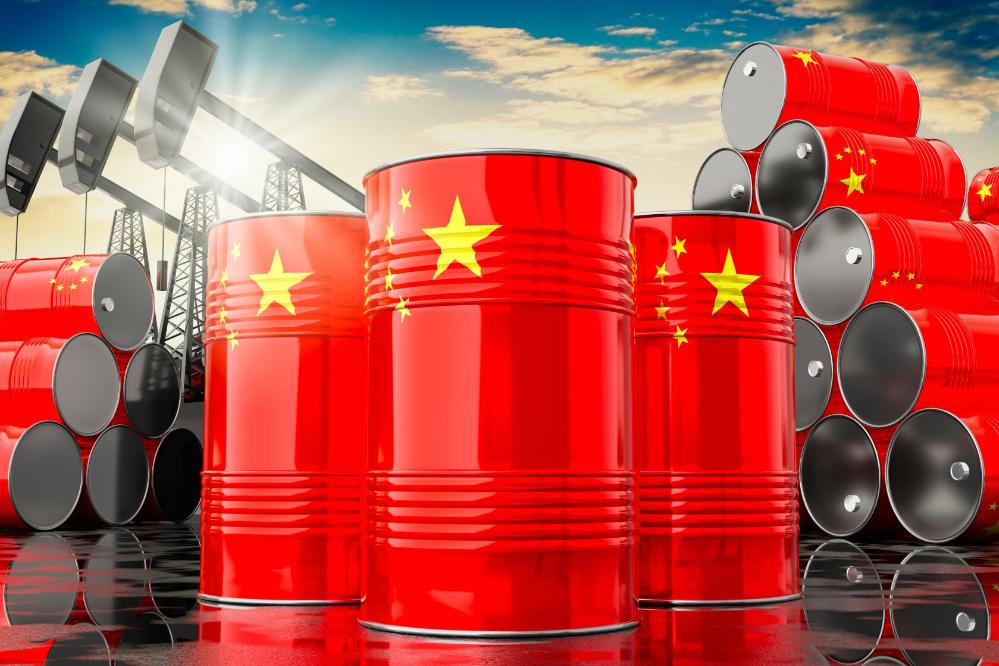
US Sanctions 12 Iran-Linked Entities Over Oil Shipments To China, Treasury Targets IRGC Network
Key Takeaways
- U.S. Treasury sanctioned 12 Iran-linked entities aiding IRGC oil shipments to China.
- Sanctions target networks facilitating Iranian oil sales, including front groups in Hong Kong and UAE.
- Sanctions aim to disrupt IRGC funding tied to Iran-China oil trade.
Sanctions and a banking squeeze
The United States imposed sanctions on three individuals and nine companies tied to Iran’s oil shipments to China, with the Treasury Department saying the designations by the Office of Foreign Assets Control (OFAC) targeted entities that helped Iran’s Islamic Revolutionary Guard Corps sell and ship its allotment of Iranian oil to China using front companies.
Treasury Secretary Scott Bessent said the Trump administration would keep using sanctions to deprive the Iranian government and military of funding for weapons, its nuclear program or support for proxies in the region.
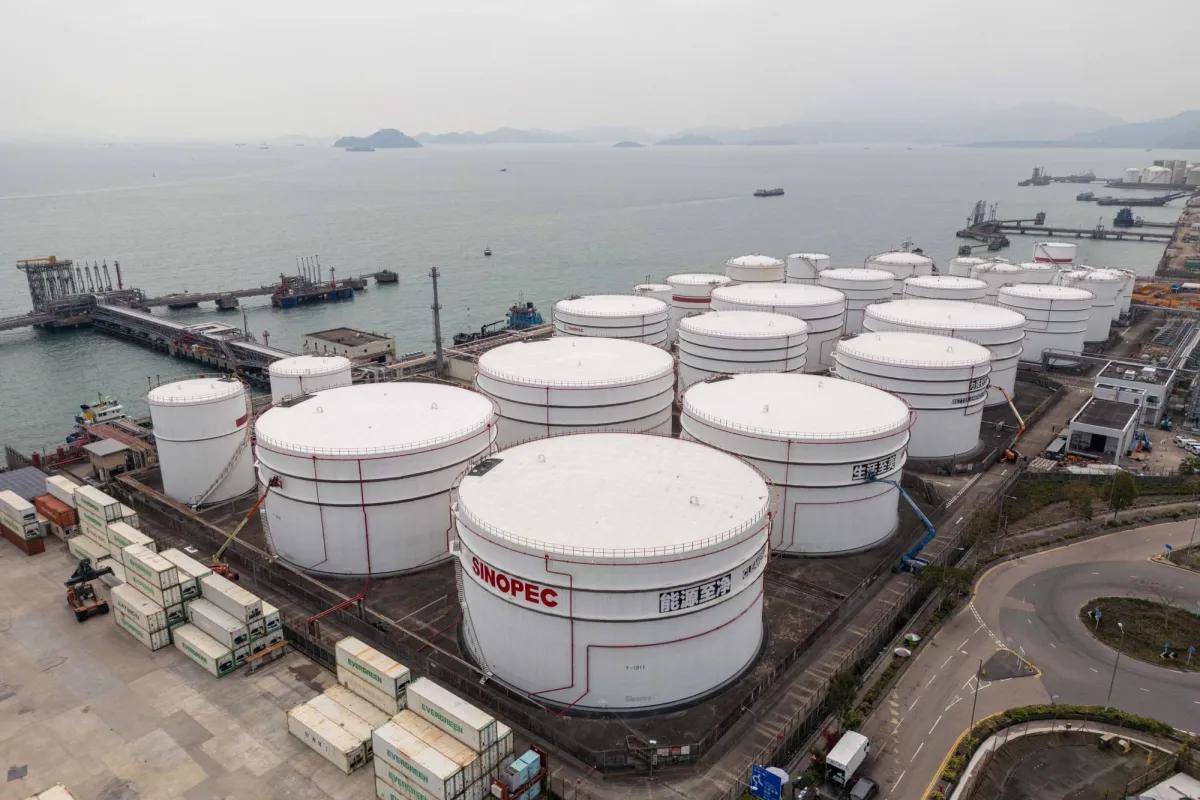
The sanctions move came as China’s financial regulators instructed major domestic lenders to stop extending new loans to refineries sanctioned by the United States for processing Iranian crude oil, with the directive also ordering banks to reassess their existing exposure.
China’s National Financial Regulatory Administration issued verbal guidance directing banks to suspend new yuan-denominated loans to five refining companies sanctioned by the U.S. Treasury for purchasing Iranian crude oil in violation of Washington’s Iran sanctions regime.
The U.S. Treasury also announced a reward of up to $15 million for information leading to the disruption of the financial mechanisms of the IRGC, which is designated by Washington as a terrorist organization, and its branches.
Flagging oil and evasion
The U.S. Treasury Department told banks to flag suspected Iranian money-laundering networks, including oil labelled ‘Malaysian blend’ to disguise its Iranian origin and missing or falsified shipping documents.
A Treasury Financial Crimes Enforcement Network report released on Monday said oil firms linked to Iran conducted roughly US$4 billion in transactions in 2024.

In the same broader pressure effort, the Treasury said it wanted U.S. banks and other financial institutions to monitor for suspected Iranian money-laundering networks that use their funds to smuggle sanctioned oil through shell companies and cryptocurrency networks.
The Economic Times and Jerusalem Post coverage both tied the sanctions to the IRGC’s role in selling and shipping Iranian oil to China through a series of front companies, with the Treasury describing the targeted entities as cover companies.
The Jerusalem Post also quoted Scott Bessent saying, "Treasury will continue to cut the Iranian regime off from the financial networks it uses to carry out terrorist acts and to destabilize the global economy," as the U.S. announced the latest designations.
Economic Fury and the next moves
The U.S. Treasury framed the new measures as part of its “Economic Fury” maximum pressure campaign, saying the action was taken pursuant to the counterterrorism authority Executive Order (E.O.) 13224, as amended, which targets terrorist groups, their supporters, and those who aid in acts of terrorism.
Treasury Secretary Scott Bessent said, "Economic Fury will continue to deprive the regime of funding for its weapons programs, terrorist proxies, and nuclear ambitions," as the Treasury warned it may impose secondary sanctions on foreign financial institutions that facilitate Iran’s activities.
The Treasury statement highlighted that it had disrupted billions in projected oil revenue, led to the freezing of nearly $500 million in regime-linked cryptocurrency, and cracked down on Tehran’s shadow banking networks.
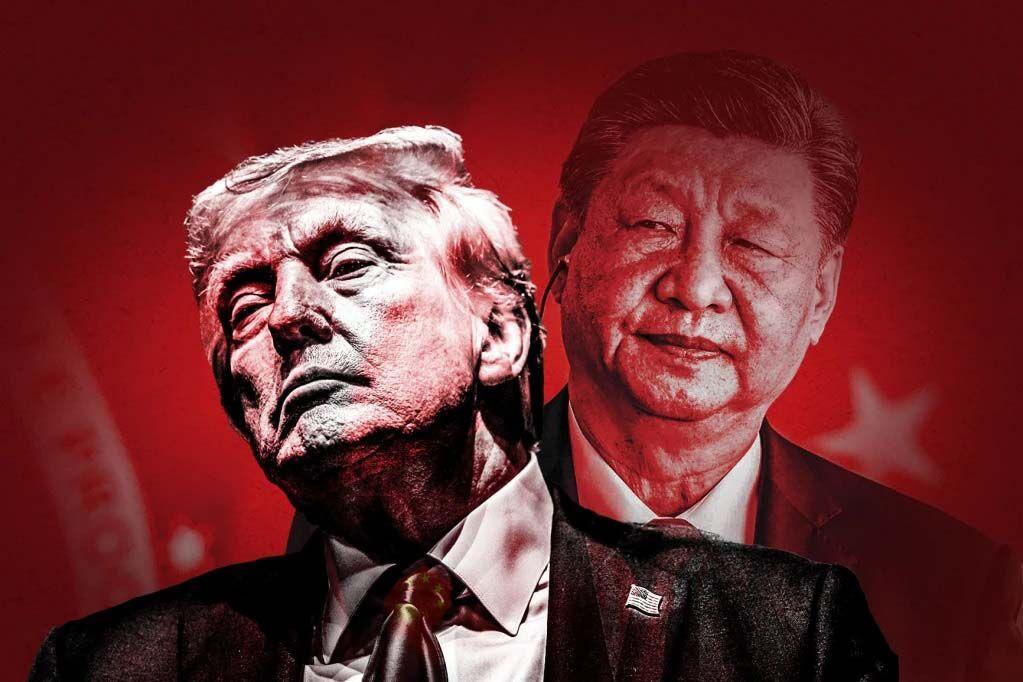
The Economic Times and Jerusalem Post both reported that the U.S. expected to press China’s leader ahead of a planned meeting between U.S. and Chinese leaders, with the Economic Times saying it was days before U.S. President Donald Trump’s planned meeting with Xi Jinping.
In parallel, China’s Foreign Ministry spokesperson Guo Jiakun confirmed Trump’s state visit to China later this week, saying, "At the invitation of President Xi Jinping, President Donald Trump will pay a state visit to China later this week."
More on USA
Trump Departs for China Talks With Xi as Iran Conflict, Trade Disputes Loom
17 sources compared
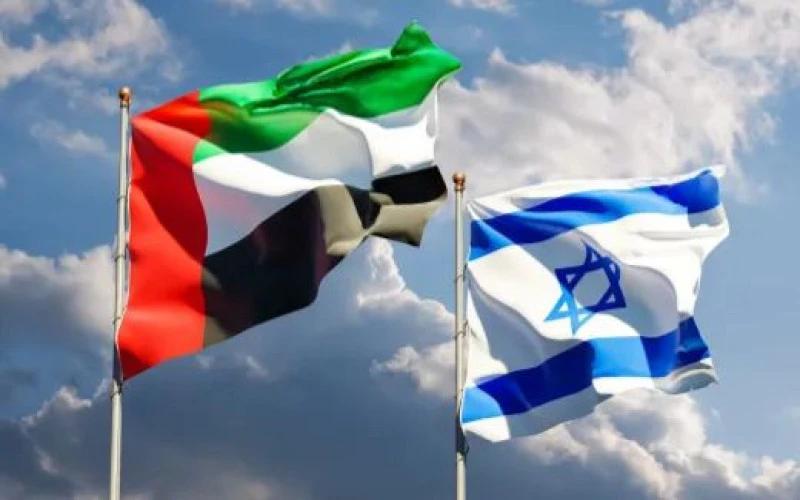
Mike Huckabee Says Israel Sent Iron Dome Batteries And Personnel To United Arab Emirates
15 sources compared

CBO Estimates Trump’s Golden Dome Missile Defense Costs $1.2 Trillion Over 20 Years
20 sources compared

South Carolina Senate Rejects Trump Push To Eliminate Jim Clyburn’s House Seat
12 sources compared