U.S. Strikes Iran After Trump Cites Ceasefire Violation; Iran Drone Strikes Bahrain
Key Takeaways
- U.S. strikes Iranian missile, drone, and storage sites after Iranian attacks.
- Iran says it struck U.S.-linked targets in retaliation for U.S. strikes.
- Tensions jeopardize the fragile U.S.–Iran ceasefire and Strait of Hormuz stability.
Strikes Test Ceasefire
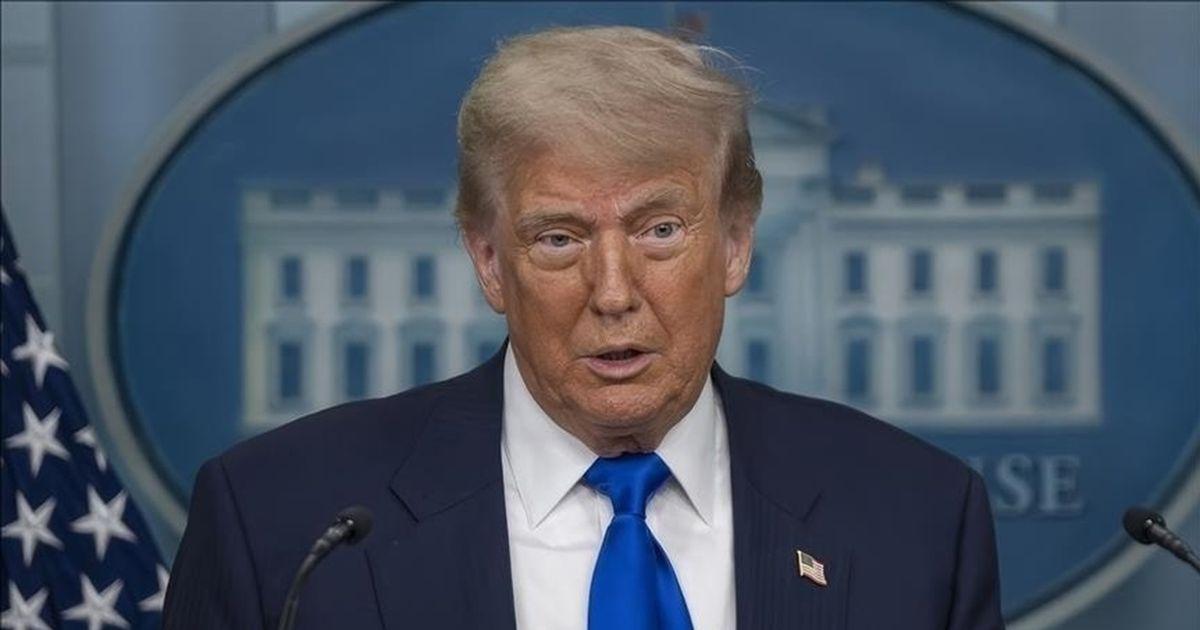
The U.S. military reopened strikes against Iran on Friday after an alleged infringement of a ceasefire agreement, targeting Iran’s coastal radar locations and missile and drone storage sites, as President Trump called the Islamic Revolutionary Guard Corps’s attack on a commercial ship in the Strait of Hormuz a “foolish violation” of the 60-day truce.
“US strikes on Iran test fragile ceasefire Iran and the United States have traded attacks in the Gulf, raising fears that the fragile ceasefire between the two countries is unravelling”
Tehran responded early Saturday morning with a drone strike on Bahrain, which houses the U.S. Navy’s Fifth Fleet, and the British Navy’s shipping monitor later reported that a vessel in the Strait of Hormuz had been struck by an “unidentified projectile.”

Vice President Vance defended the U.S. strikes in a Friday statement shared on social media, writing, “Iran signed a ceasefire agreement. We have honored it,” while warning that “violence will be met with violence.”
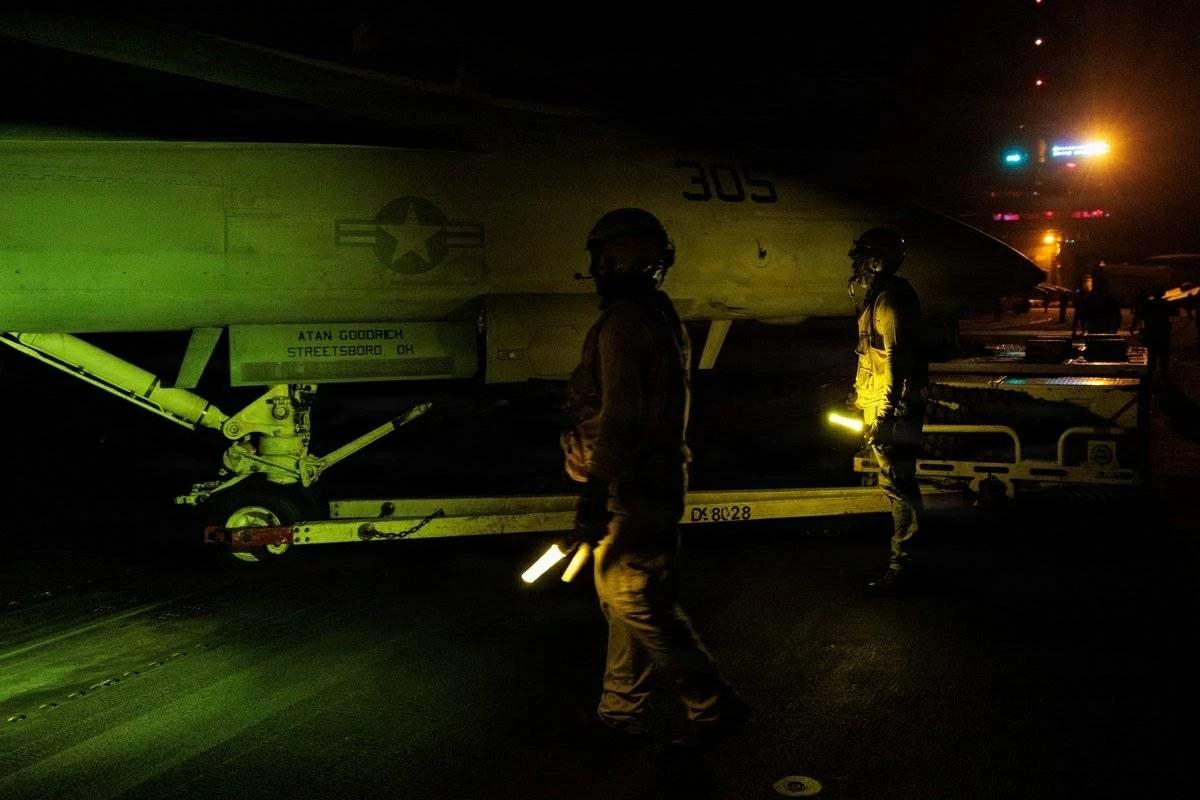
The exchange raised questions about whether the June 17 Memorandum of Understanding would hold, with Iran and the United States trading attacks in the Gulf and CENTCOM describing its latest strikes as a response to “unwarranted aggression against commercial shipping by Iranian forces” that “clearly violated the ceasefire.”
Bahrain Condemns, UN Warns
Gulf countries strongly condemned Iran’s Saturday drone strikes on Bahrain, and the Secretary-General of the Gulf Cooperation Council (GCC), Jasem Mohamed Albudaiwi, called the attack “treacherous,” saying it will undermine ongoing peace efforts in the Middle East.
Bahrain’s Foreign Ministry said the Iranian strikes, coming as “regional and international efforts are moving towards de-escalation,” place “the sole responsibility on Tehran for undermining peace efforts,” while Bahrain itself described the attack as a “flagrant threat” to the nation’s security.

The United Nations warned that the Strait of Hormuz has entered an exceptionally sensitive and dangerous phase, with Stephane Dujarric telling a press briefing that the organization was witnessing “significant differences in how the various parties interpret the agreement.”
Dujarric stressed the UN wants the Strait of Hormuz to remain permanently open under freedom of navigation, as the UN warning came amid reports that Iranian state television said the Islamic Revolutionary Guard Corps had detained three oil tankers attempting to pass without authorization.
Oil Fees and Next Steps
As the ceasefire remains fragile, Trump said in a Truth Social post that there would be “no fees in the Strait of Hormuz for 60 days during the ceasefire period,” and he added there would be “no fees after the end of the sixty-day period” unless imposed by the United States and in its interest if no agreement is reached.
“Washington responds with military operations on Iranian soil to Tehran's strike against Western interests in Bahrain”
The dispute over navigation arrangements continues to shape the stakes, with the memorandum of understanding framed as a precursor to further negotiations over traffic through the Strait of Hormuz, and with Iran warning vessels not to enter or leave the Gulf through the strait without permission while ships continued to move on routes not authorised by Tehran.
The Hill described how the U.S. and Iran had agreed to halt fighting during peace deal negotiations led by Vice President Vance and Middle East envoy Steve Witkoff, but the renewed strikes and retaliations have threatened the ceasefire’s stability.
In parallel, the UN nuclear watchdog’s chief warned that any final U.S.-Iran settlement would need strong safeguards to ensure Tehran does not build a nuclear weapon, keeping the nuclear file central as the two sides trade blame for attacks and threaten broader responses if aggression repeats.
More on Iran

Aleksandar Vucic Says He Will Resign Within Weeks Amid Belgrade Protests
14 sources compared

U.S. Airstrikes Iran After Iranian Drones Attack M/T Kiku in Strait of Hormuz
12 sources compared
U.S. Strikes Iran Again After Iranian Drone Attack on Panama-Flagged Tanker in Strait of Hormuz
19 sources compared

U.S. Launches Strikes Against Iran After Drone Attack on Panama-Flagged Tanker M/T Kiku
14 sources compared