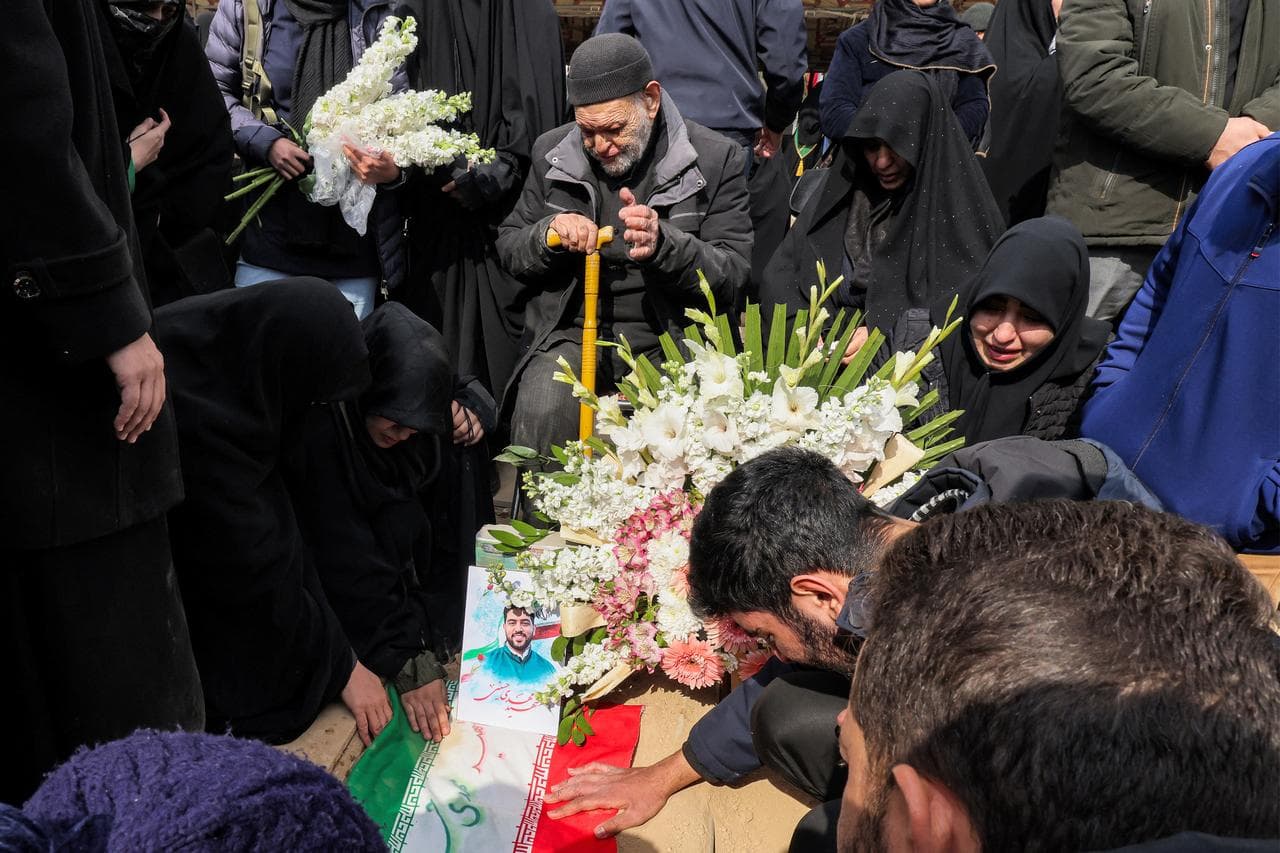
US Strikes Iran, Splitting Iranian Diaspora Over Costs of Toppling Regime
Key Takeaways
- United States launched strikes on Iran
- Strikes fractured the Iranian diaspora over costs of toppling the regime
- US officials pledged to escort commercial vessels through the Strait of Hormuz
Scope and reactions
A rapid US-Israel campaign has struck Iran in a war framework characterized by Washington as narrowly focused on Tehran’s nuclear programme while drawing sharp international criticism.
“US Energy SecretaryChris Wrightsaid the recent spike in gasoline prices will be temporary, predicting that fuel costs will fall back below $3 a gallon “before too long””
US officials framed the attacks as aimed at Iran’s nuclear ambitions and “not aimed at Russia or China,” according to reporting that quoted US Defense Secretary Pete Hegseth.
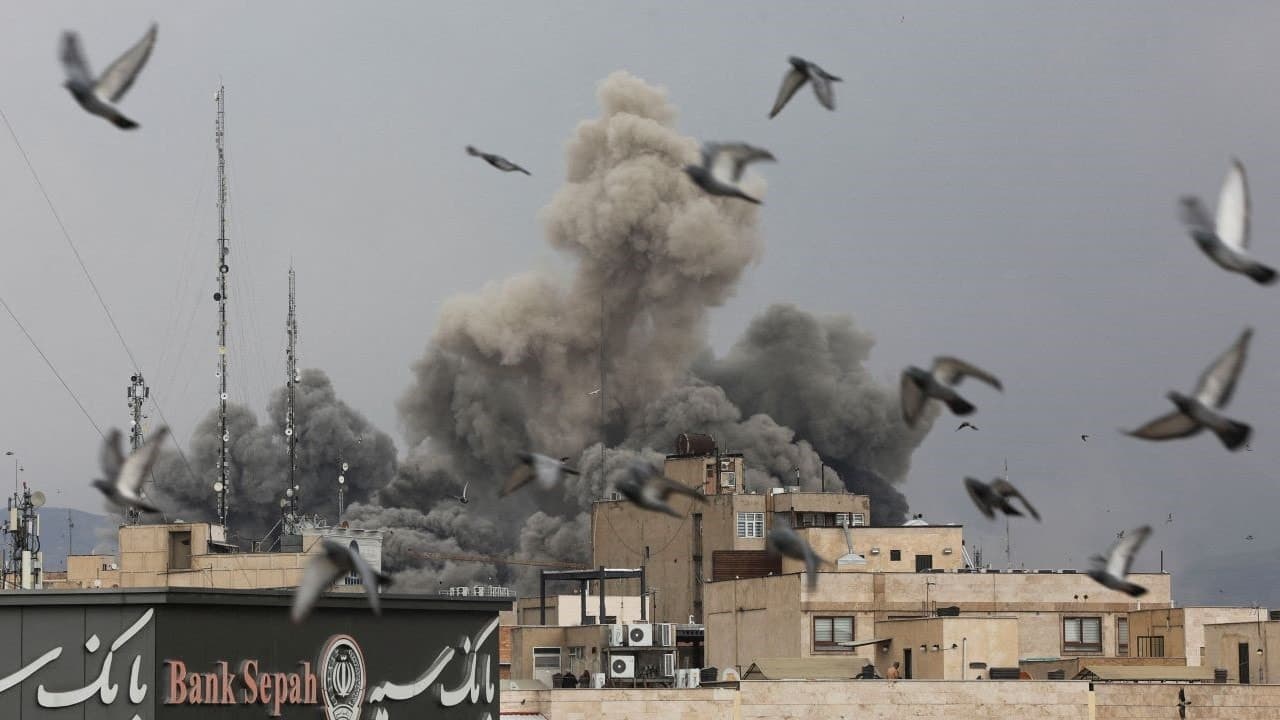
Russia and China denounced the strikes as violations of international law and Iran’s sovereignty.
China said it would send a special envoy to help mediate the crisis, warning that civilians and critical infrastructure must not be targeted as the conflict spreads.
Diaspora split
The Iranian diaspora is split sharply over whether foreign military pressure is a legitimate path to toppling Tehran’s regime, with a key cleavage between pro- and anti-regime groups.
Reporting on diaspora politics described “the first division in the diaspora” as being between pro- and anti-regime groups.
It noted that many diaspora Iranians explicitly support strikes against regime elements while distinguishing those targets from attacks on Iran as a country, and said that when diaspora activists make that distinction they can ‘‘legitimise American and Israeli actions’’.
At the same time, the conflict’s fallout is prompting large-scale evacuations and consular assistance for foreign nationals across the region.
Military operations
On the battlefield, Israeli military leaders and US reports described intense strikes against Iranian military infrastructure and air defences that they say have opened the way for deeper operations.
“US Energy SecretaryChris Wrightsaid the recent spike in gasoline prices will be temporary, predicting that fuel costs will fall back below $3 a gallon “before too long””
Israel’s chief of staff Eyal Zamir was quoted saying Israeli forces achieved ‘‘near-complete air superiority’’ and that roughly 80% of Iran’s air defence systems were destroyed within the first 24 hours.
Reporting said about 2,500 strikes and more than 6,000 munitions had been used and that roughly 60% of Iran’s missile launch sites were destroyed, and other accounts noted personnel killed were operating from a tactical operations centre with limited protection from aerial attacks.
At the same time, the Kremlin said Russia ‘‘is not capable of stopping the ongoing war’’ and that the conflict ‘‘is not our war’’.
Wider fallout
Analysts and European agencies warned of wider security fallout as the war escalates, with the EU police agency flagging risks of terrorism, organised crime, violent extremism and cyberattacks across the continent.
Europol cautioned the conflict could fuel terrorism, organised crime, violent extremism and cyberattacks in Europe and warned of polarising online content accelerating radicalisation.
US officials were mobilising evacuations and support for citizens abroad, with the State Department saying its crisis task force had assisted more than 10,000 Americans and multiple charter flights were underway.
Russia’s Foreign Ministry accused the United States and Israel of launching the war on a ‘fabricated pretext’ and called for an immediate cessation of strikes, while Beijing urged diplomacy and restraint.
More on Iran
Trump Says U.S. Bombed Military Sites on Kharg Island, Iran's Oil Hub
14 sources compared
FBI Warns of Iranian Drone Plot Based on Unverified Tip; California Says No Credible Threat
10 sources compared

White House Demands ABC Retract Report Claiming Iran Sought To Launch Drone Attacks On California
11 sources compared

Iranian Proxy Claims It Shot Down US Refueling Plane in Iraq; US Military Says Otherwise
17 sources compared