
US Strikes Iranian Sites After Patrol Helicopter Downing Near Strait of Hormuz
Key Takeaways
- U.S. strikes hit Iranian military and surveillance sites after the helicopter downing near Hormuz.
- Targets included air defence systems, ground-control stations, and radar sites near the Strait of Hormuz.
- Trump escalated rhetoric, weighing further strikes against Iran.
Helicopter sparks strikes
The US and Iran exchanged fire after an American patrol helicopter was downed in the Gulf, with the US saying it carried out a series of strikes on Iranian military and surveillance sites near the Strait of Hormuz in response to the downing.
BBC reported that Air defence systems, ground control stations and radar sites were targeted near the Strait of Hormuz, while Iran’s Islamic Revolutionary Guard Corps (IRGC) said it launched strikes on 21 targets at US bases in the region, including one in Bahrain and one in Jordan.
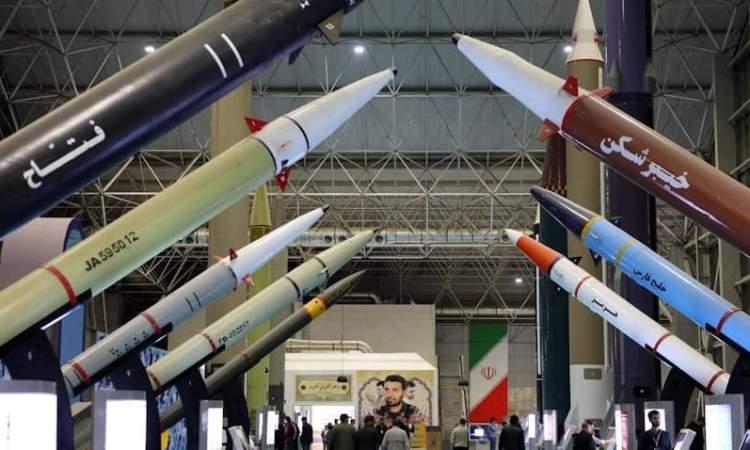
The BBC said the US described its strikes as "a proportional response" for the Apache helicopter downing on Monday, while the IRGC described the attacks as "vicious".
The BBC added that the two crew members survived and were rescued by an American sea drone, and that Trump had earlier accused Iran of shooting down the helicopter and said the US "must, of necessity" respond.
In parallel, The Guardian reported that US officials sought to play down the significance of the attacks while claiming the ceasefire remains in place and wider negotiations with Iran have not been affected.
Ceasefire strain and threats
As the exchange unfolded, The Jerusalem Post said Iran fired a number of missile barrages at Israel after warning it would respond to Israeli strikes in Beirut’s Dahiyeh district, unsettling a fragile ceasefire framework that had not resolved the underlying conflict.
The Jerusalem Post quoted Brig. Gen. (res.) Yossi Kuperwasser saying the operation, which took place up to the ceasefire on April 8, had ended, but the war had not, because there had been no formal agreement to end it.

In Washington, The Guardian reported that Trump increased pressure on Tehran by saying the US was planning to capture Iran’s key infrastructure and take control of the country’s oil industry, writing: "At some point in the not too distant future, we will be taking Kharg Island, and other oil infrastructure points, and assume total control of their Oil and Gas Markets."
Al Jazeera reported that Trump told Fox News, "I may keep going," and later at an Oval Office event said, "We’re going to be attacking them, attacking them very hard."
Al Jazeera also said Iran responded by launching missiles against bases that host US forces in Bahrain, Kuwait and Jordan, while raising questions about whether the April 8 ceasefire has unravelled.
Negotiations at risk
The BBC said Iranian foreign ministry spokesman Esmaeil Baqai told reporters on Wednesday that the US was "damaging this diplomatic process" through contradictory messages, repeated shifts in positions and demands, and repeated violations of the ceasefire.
The BBC also quoted Iran’s Foreign Minister Abbas Araghchi writing on X that the country "will leave no attack or threat unanswered" and urging the US to "Leave our region if you want to be safe."
The Guardian reported that Amir Saeid Iravani, Iran’s ambassador to the UN, said on Wednesday that "no sustainable deal can be reached through terrorists, intimidation, or the use of force" and that Iran had never negotiated under threats and pressure.
The Guardian further said that despite US claims of imminent agreement, significant obstacles remained, including restrictions on Tehran’s nuclear programme, the unfreezing of Iranian assets, and Israel’s continued war in Lebanon.
With the flare-up tied to Lebanon and the direct Israel-Iran front, The Jerusalem Post quoted Dr. Raz Zimmt saying Tehran had tried for weeks to emphasize the link between developments in Lebanon and those in Iran, and that Iran would not accept a durable arrangement with Washington while the Lebanese arena remained outside the deal.
More on Iran
Trump Calls Off Strikes Against Iran After Threatening Kharg Island Takeover
12 sources compared

Iran Launches Missiles at Bahrain, Jordan, and Kuwait After U.S. Strikes
17 sources compared

Iran Threatens Elon Musk Companies, Including Starlink, As Military Targets In West Asia
16 sources compared
Trump Says U.S. And Iran Could Sign A Deal In Days, Calls Off Strikes
47 sources compared