
U.S. Strikes Iranian Targets After Drone Attack on Panama-Flagged Tanker Near Strait of Hormuz
Key Takeaways
- U.S. launched airstrikes on Iranian targets after tanker attack near Hormuz.
- Strikes follow an interim ceasefire agreement reached about two weeks earlier.
- Ceasefire is fragile as both sides accuse violations and clashes continue.
Fresh strikes after tanker hit
The United States carried out additional strikes against multiple targets in Iran on Saturday, after accusing Tehran of violating a ceasefire agreement through another attack on commercial shipping near the Strait of Hormuz.
CENTCOM said its forces targeted Iranian military surveillance infrastructure, communication systems, air defence sites, drone storage facilities, and minelayer capabilities, and it linked the action to a one-way drone attack on the Panama-flagged tanker M/T Kiku at 4:30 a.m. ET.
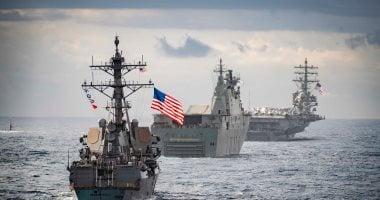
The WION account said the strike marked the second consecutive night of attacks on the Islamic Republic following Friday's U.S. attack and Tehran's retaliation, raising uncertainty over the future of the Memorandum of Agreement signed between Donald Trump and Masoud Pezeshkian on June 19.
CENTCOM said, "After yesterday's U.S. strikes in response to the Iranian attack on M/V Ever Lovely, Iran was given a chance to honour the ceasefire agreement, but elected not to" when it launched the drone attack that hit M/T Kiku.
The CNBC report added that the Panama-flagged tanker was transiting near the Strait of Hormuz with more than two-million barrels of crude oil, as U.S. strikes followed an interim agreement meant to bring an end to hostilities.
Competing narratives and reactions
The U.S. framing in the CBC report was that it struck Iran again "in direct response to continued Iranian aggression against commercial shipping," hours after a tanker was reportedly hit in the Strait of Hormuz.
In Iran, CBC said state broadcaster IRIB reported explosions were heard in Sirik in southern Iran, while the U.S. did not immediately respond to reports of specific attacks on ships.
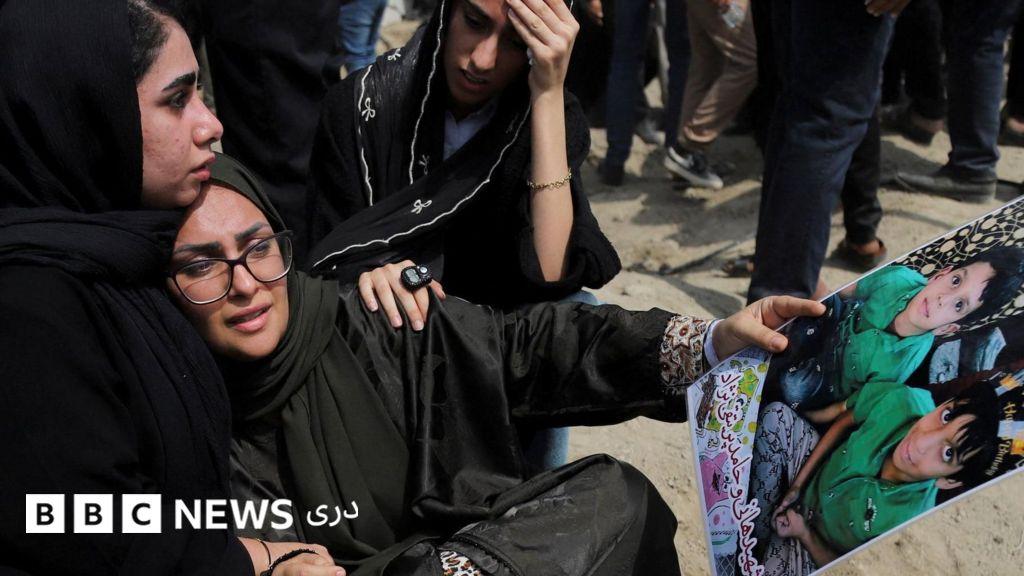
The Washington Post described the airstrikes as a fresh round launched after officials there said they were targeting U.S. interests in the Middle East, and it said the clashes marked "the latest threat to a ceasefire and ongoing talks toward a broader peace."
CNBC reported that Bahrain condemned an Iranian drone strike as a "blatant violation" of its sovereignty, while Iran’s Revolutionary Guard said it responded to U.S. attacks by striking positions of the U.S. terrorist army in the region.
CNBC also quoted Ebrahim Azizi, head of the national security commission of the Iranian parliament, saying, "The U.S. attacked Iran in the middle of negotiations once again."
Ceasefire tests and what’s at risk
The CNBC account said the renewed attacks come as the U.S. and Iran are supposed to be engaging in a 60-day ceasefire while they hold talks to end their war, but it noted both sides accused the other of violating the agreement.
WION said the uncertainty over the future of the Memorandum of Agreement signed between Donald Trump and Masoud Pezeshkian on June 19 grew as the strikes followed Friday’s U.S. attack and Tehran’s retaliation.
The Washington Post described the U.S. strikes as targeting Iranian military infrastructure, including communication systems, air defense sites and drone storage facilities, along with capabilities to lay mines, in response to what Central Command called continued Iranian aggression against commercial shipping.
CBC reported that the Joint Maritime Information Center, run by a coalition of navies protecting shipping, raised its security threat level as a result of recent incidents, while UKMTO said the tanker hit on Saturday sustained damage to its bridge with all crew reported safe.
CNBC said Central Command stated commercial vessel transits through the critical waterway continue, and it added that the U.S. strikes were in retaliation for an Iranian attack earlier in the day on a commercial tanker, as the Strait of Hormuz remains a major thoroughfare for oil shipments.
More on USA

U.S. Airstrikes Iran After Iranian Drones Attack M/T Kiku in Strait of Hormuz
12 sources compared
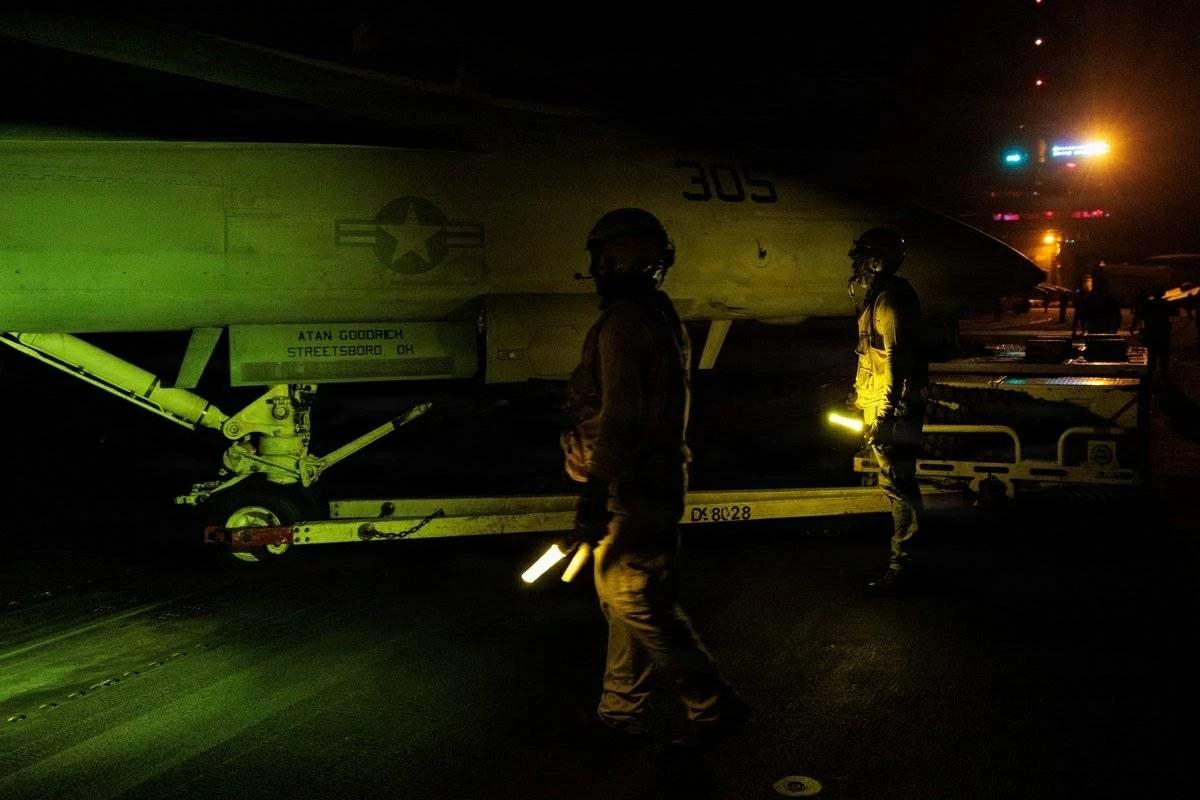
U.S. Strikes Iran Again After Iranian Drone Attack on Panama-Flagged Tanker in Strait of Hormuz
19 sources compared

U.S. Launches Strikes Against Iran After Drone Attack on Panama-Flagged Tanker M/T Kiku
14 sources compared
Warren Jeffs and Samuel Bateman Convicted After Abuse Evidence Found in Texas and Arizona
13 sources compared