
USA · 14 May, 2026 · 3 min read
U.S. Supreme Court Preserves Mifepristone Access, Rejects Fifth Circuit Restrictions
Supreme Court keeps mifepristone accessible via telehealth during litigation. Stay blocks Fifth Circuit restriction reinstating in-person visits for mifepristone.
Justices’ dissents characterize providers differently.
6 of 8 outlets skipped it: nexos traces FDA rule removals after Dobbs..
10outlets compared
Same story, two versions
tap a side to read it in full
Slate
“he suggested that abortion providers who mail mifepristone should be thrown in prison”Read the original ↗
The Hill
“What is at stake is the perpetration of a scheme to undermine our decision”Read the original ↗
Frames dissents as either criminality or scheme against Dobbs.
Supreme Court keeps access
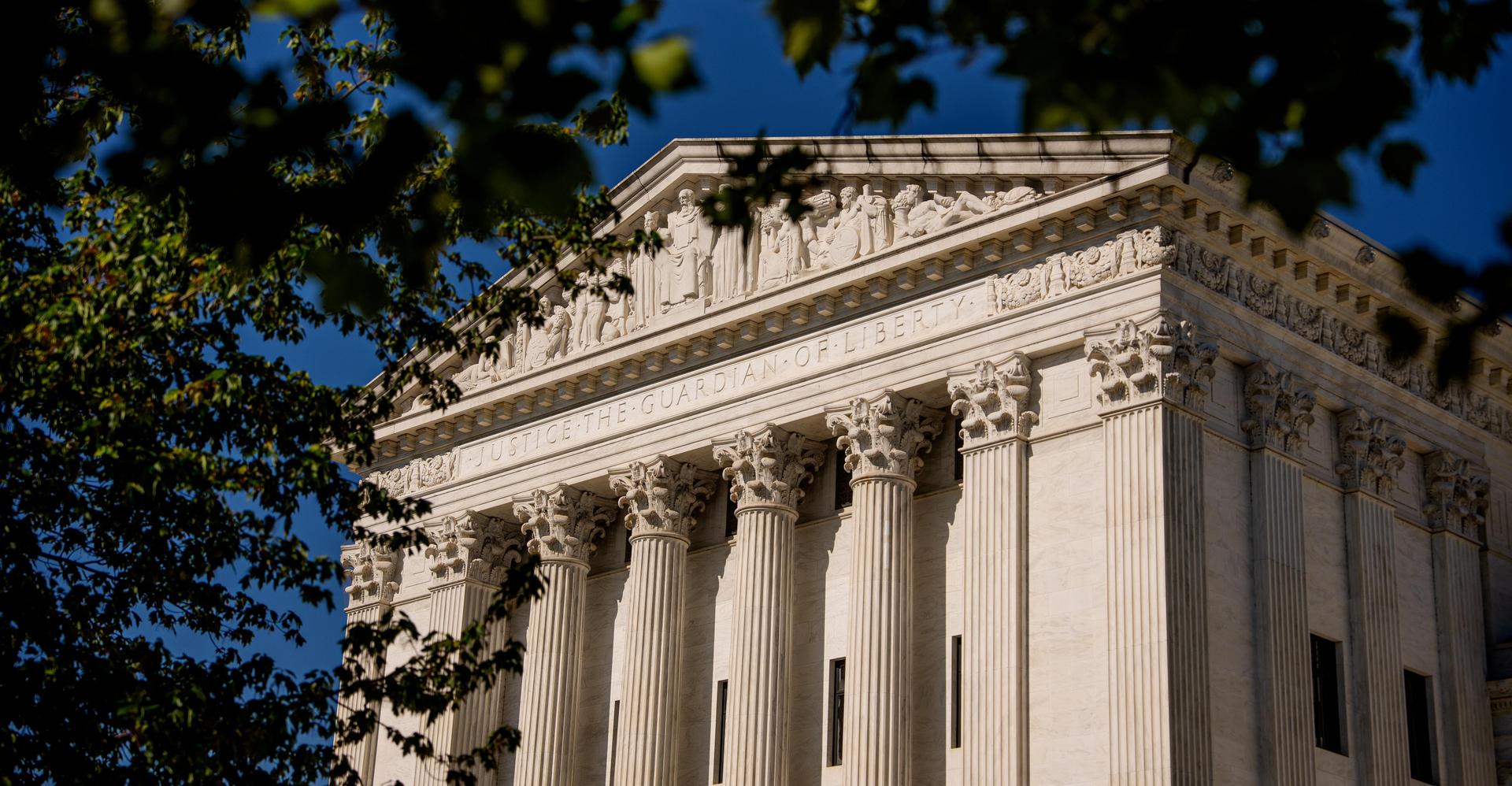
The U.S. Supreme Court preserved women’s access to mifepristone on Thursday by rejecting lower-court restrictions while a lawsuit proceeds, allowing women to obtain the drug at pharmacies or through the mail without an in-person visit to a doctor.
The order halted a May 1 ruling from the New Orleans-based U.S. 5th Circuit Court of Appeals that would have required women to visit a healthcare provider in person to obtain mifepristone, a change that would have “severely curtailed abortion access across the country,” according to The Hill.T
Justices Clarence Thomas and Samuel Alito dissented separately, and PBS reported that the justices granted emergency requests from makers of mifepristone, including Danco Laboratories and GenBioPro, who were appealing the 5th Circuit’s decision.
The dispute traces to a lawsuit Louisiana filed to roll back the Food and Drug Administration’s rules on how mifepristone can be prescribed, with The Hill saying Louisiana objected to a 2023 FDA regulation that allowed mifepristone to be prescribed through telehealth, in pharmacies and through the mail.
PBS added that the FDA first approved mifepristone for use in abortion in 2000 and stopped requiring in-person visits five years ago, setting the stage for the emergency fight over telehealth and mail access.
Dissents cite Comstock
In dissent, Samuel Alito wrote that “The Court’s unreasoned order granting stays in this case is remarkable,” and he said “What is at stake is the perpetration of a scheme to undermine our decision” overturning constitutional abortion rights. Clarence Thomas referenced the Comstock Act, an 1873 anti-obscenity law, to argue that federal law already makes mailing mifepristone a criminal offense, and The Hill quoted Thomas saying “Applicants are not entitled to a stay of an adverse court order based on lost profits from their criminal enterprise.” TNPR reported that the Supreme Court’s order means mifepristone will remain available via telehealth as the Louisiana case against the FDA proceeds through the lower courts.
NPR also quoted Alito’s dissent calling the order “unreasoned” and “remarkable,” and it described how telehealth abortion works by pairing mifepristone with misoprostol and allowing patients to pick up medicine at a local pharmacy or have it mailed. The Hill further said the case now heads back to the New Orleans-based 5th Circuit and could ultimately return to the justices on their normal docket, keeping the fight over federal power versus state bans unresolved.T

What’s at stake next
The Supreme Court’s emergency preservation of access keeps the status quo in place for now, but PBS said access is likely to remain uninterrupted at least until into next year as the case plays out, including a potential appeal to the high court.
PBS reported that anti-abortion groups, frustrated with President Donald Trump’s administration, are pushing the FDA to move faster with a review that they hope will result in restrictions on mifepristone, including blocking its prescribing via telehealth platforms.
At the same time, The Hill said the case stems from Louisiana’s challenge to FDA rules that allowed mifepristone to be prescribed through telehealth, in pharmacies and through the mail, and it noted that the state argued the FDA didn’t have enough safety data to roll back the in-person dispensing requirement.T
NPR added that the FDA is reviewing the safety protocols for mifepristone, while it also reported that the FDA filed no brief to the justices about the case and that the Trump administration did not respond to the Supreme Court’s request for briefs.
In parallel, PBS said the Supreme Court was dealing with its latest abortion controversy four years after its conservative majority overturned Roe v. Wade and allowed more than a dozen states to effectively ban abortion outright, making the mifepristone access fight a central part of how abortion access is maintained or curtailed.