USA · 17 April, 2026 · 8 min read
US Troops On USS Tripoli And USS Abraham Lincoln Face Food Shortages, Mail Suspended For 27 ZIP Codes
US Navy crews aboard USS Tripoli and USS Abraham Lincoln face food shortages. Mail delivery to 27 military ZIP codes suspended amid Iran-related operations.
Preparedness framing.
14 of 15 outlets skipped it: death toll of the Iran war (HRANA claim) reported as 3,636 killed since the beginning of the conflict.
16outlets compared
Same story, two versions
tap a side to read it in full
Global Times
“"Morale is going to be at an all-time low." A report by US media outlet USA Today has shed light on food shortages and suspended military mail services affecting US forces deployed in the Middle East, while a Chinese expert said the situation suggests the US military was not adequately prepared before launching operations against Iran.”Read the original ↗
Vox News Albania
“"A Chinese expert said the situation suggests the US military was not adequately prepared before launching operations against Iran."”Read the original ↗
Shows contrasting framing: Global Times foregrounds a direct claim of US unpreparedness by citing a Chinese expert, while Vox paraphrases a similar assessment to emphasize a preparedness shortfall as part of the same story.
Meals, Mail, Morale
US service members deployed in the Middle East are facing food shortages and a suspension of military mail services, according to a USA Today report described by Global Times and echoed by multiple outlets.G
“two-thirds empty”
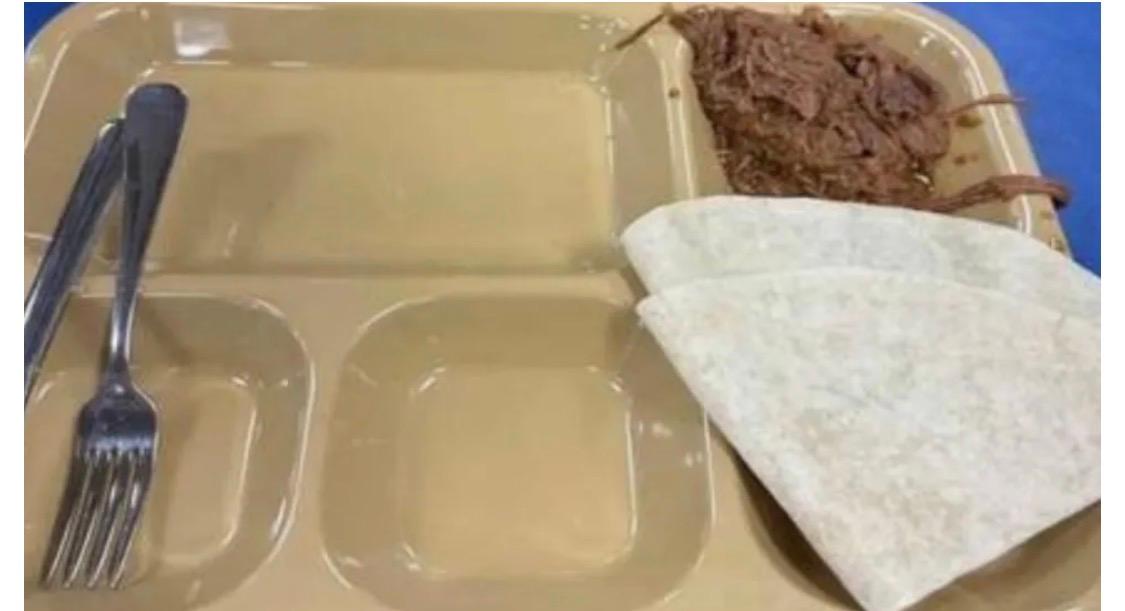
Global Times said the report showed a lunch tray aboard the USS Tripoli “two-thirds empty,” with “one small scoop of shredded meat and a single folded tortilla,” and it described another photo from the USS Abraham Lincoln as “similarly unappetizing.”G
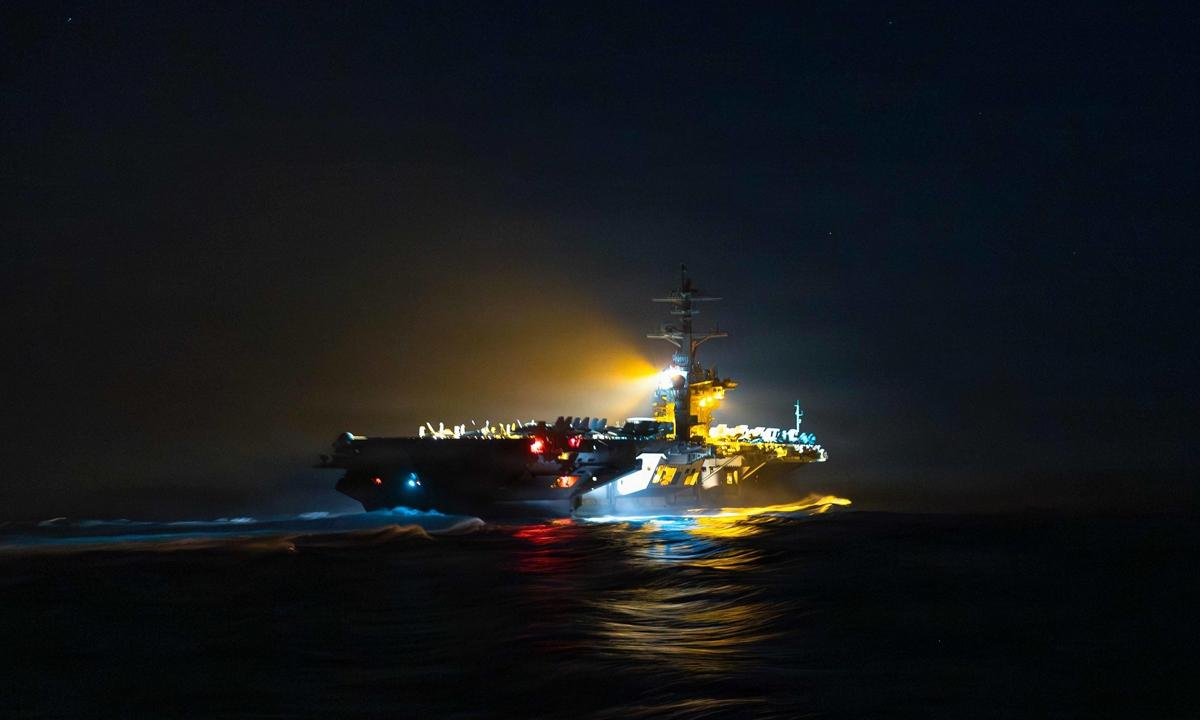
The Global Times account also quoted a sailor’s message that “supplies ‘are going to get really low,’” and that “Morale is going to be at an all-time low,” while describing family members filling boxes with items they hoped would help.G
USA Today reported that the U.S. Postal Service “temporarily suspended mail delivery to 27 military ZIP codes” after the United States and Israel attacked Iran, and that the suspension was “in effect until further notice.”
USA Today also described how Dan F., a Marine’s father, was alarmed after his daughter sent him a photo of a meal on the USS Tripoli, and it said a mid-April dinner on the USS Abraham Lincoln included “a small handful of boiled carrots, a dry meat patty and a gray slab of processed meat.”
NewsNation similarly said “Some service members in the Middle East are reportedly getting subpar meals and having to ration food and hygiene products,” while stating that mail delivery for “27 military ZIP codes globally has been temporarily suspended.”
Across the coverage, the same core picture emerges: sparse rations, disrupted packages, and families trying to bridge the gap while delivery remains paused.
How the Disruption Began
The accounts tie the mail suspension and supply strain to the conflict involving Iran and to operational constraints that affect logistics and airspace.
USA Today said the Postal Service suspended deliveries “after the United States and Israel attacked Iran,” and it reported that the suspension began “as of the beginning of April” and was tied to “airspace closures and other logistical impacts from the ongoing conflict,” citing Army spokesperson Maj. Travis Shaw.
USA Today also stated that “Mail already in transit when the suspension took effect is being held in secure Postal Service or military facilities ‘for future delivery once service resumes,’” and that “No military mailings are being returned to the sender” for those ZIP codes.
The Indian Express similarly said the USPS suspended mail delivery to “27 military ZIP codes across West Asia since early April,” and it described the suspension as linked to “airspace closures and logistical disruptions” after “escalating hostilities involving the United States and Israel targeting Iran.”
Hindustan Times and the Mirror US both framed the disruption as a halt in postal deliveries that left care packages stranded, with Hindustan Times stating that “Washington suspended mail services to 27 military ZIP codes” and that “no timeline has been given for their resumption.”
Vox News Albania added that the USPS temporarily suspended deliveries to “27 military zip codes in the region due to airspace closures and logistical difficulties created by the conflict,” and it said the suspension would continue “until further notice.”V
WION reported that the suspension remains “in effect until further notice” and quoted Maj. Travis Shaw describing it as due to “airspace closures and other logistical impacts from the ongoing conflict.”
In parallel, the Global Times narrative connected the supply problems aboard ships to the broader campaign timeline, quoting Chinese military affairs expert Song Zhongping saying the report “exposed that the US military apparently did not make sufficient preparations for a long-term campaign in the Middle East from the outset.”G
Voices from Ships and Homes
The reporting includes direct statements from families, a pastor, and a sailor, alongside officials explaining the mail policy.
“Morale is going to be at an all-time low”
USA Today quoted Dan, 63, saying, “We have the strongest military in the world. You shouldn’t be running out of food, and you shouldn’t not be able to get mail on the ship,” and it also included his line that “The one thing we had over our adversaries [was] we fed our people.”
USA Today described the sailor’s message from March 11 that “Supplies ‘are going to get really low,’” and that “Morale is going to be at an all-time low,” and it said the sailor described how members “divvy up food evenly when one person gets more than the others.”
WION quoted the same sailor’s message home, including “Eat when they can,” and it repeated that “Supplies are going to get really low… morale is going to be at an all-time low.”
Karen Erskine-Valentine, a pastor in Shepherdstown, West Virginia, told USA Today that “The food is tasteless and there’s not nearly enough and they’re hungry all the time,” and the Mirror US quoted her saying, “The food is tasteless, and there’s not nearly enough, and they’re hungry all the time.”
Global Times quoted Song Zhongping saying the suspension of military mail services is “unusual and indicates serious problems in the broader US military system in the region,” and it also quoted him saying “non-military support items are likely facing even greater delays.”G
For the mail suspension itself, USA Today quoted Maj. Travis Shaw saying the suspension was “in effect until further notice,” and it quoted him on resumption being “contingent upon the reopening of airspace by civil authorities, and the area commander’s evaluation of regional transportation and distribution stability.”
USPS spokesperson David Coleman told USA Today that “No military mailings are being returned to the sender during a suspension. They are held until they can be delivered,” and that statement was echoed in WION’s description of packages being held until delivery can resume.
Different Outlets, Different Frames
While the underlying claims revolve around the same USA Today photos and the same mail suspension to “27 military ZIP codes,” outlets vary in emphasis and in the way they describe the broader situation.
Global Times presents the story as evidence of inadequate preparation, quoting Song Zhongping that “The report exposed that the US military apparently did not make sufficient preparations for a long-term campaign in the Middle East from the outset,” and it adds that the “supply shortages now being reflected even in daily meals” show readiness “far from as strong as it previously portrayed.”G
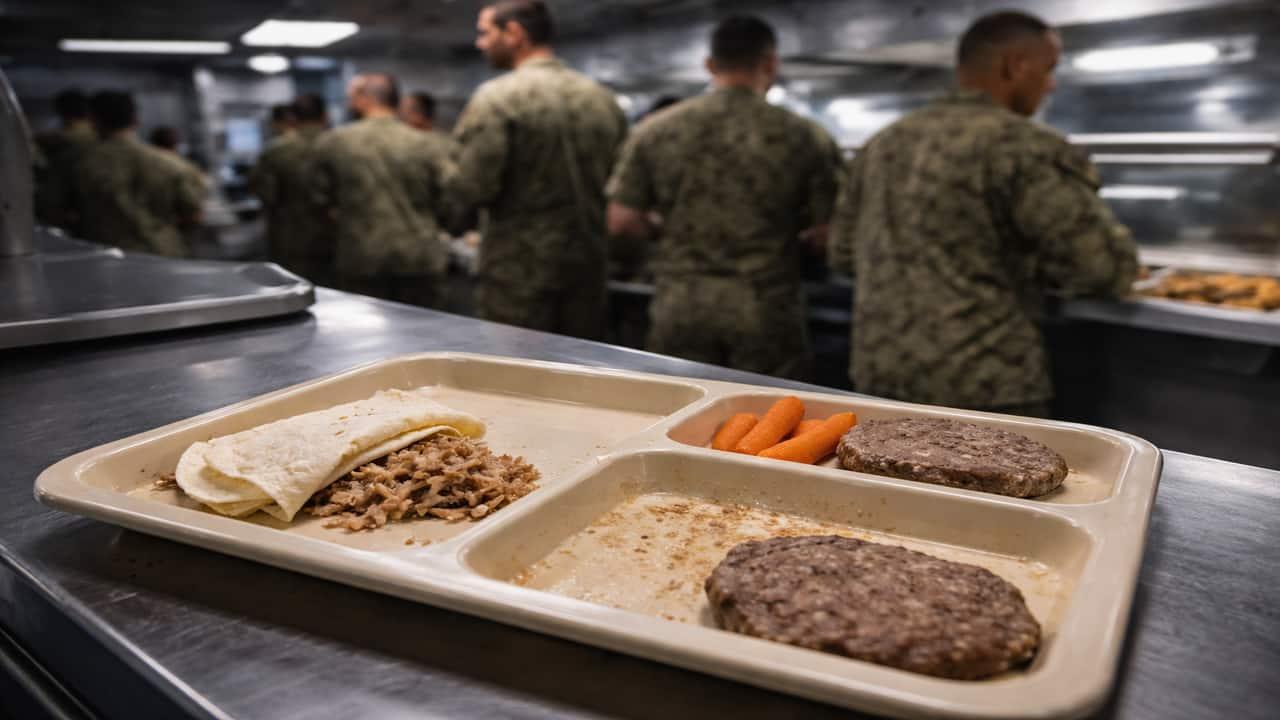
Newsweek, by contrast, focuses on the images’ political and public reaction, saying the official account for the Democrats on social media dubbed the pictures “disgraceful,” and it quotes a post from @factpostnews reading: “New photos reveal small and unappetizing meals aboard U.S. ships in the Middle East. Troops face food shortages and are unable to receive packages due to logistical impacts from the Iran war.”
The Mirror US uses a more sensational framing, describing the meal as a “gray object” and saying families raised alarm after the photo of a near-empty meal tray “spark[ed] widespread concern,” while also repeating the sailor’s March 11 warning that supplies “are going to get really low” and that “Morale is going to be at an all-time low.”
Vox News Albania and the Indian Express both foreground the logistics mechanism, with Vox News Albania saying packages are “stranded after the United States Postal Service temporarily suspended deliveries to 27 military zip codes” and the Indian Express stating that “Mail already dispatched is being held in secure postal or military facilities and will not be returned to senders.”
WION highlights the same quotes about food quality and mail suspension, but it also includes a disclaimer that it “cannot independently verify the authenticity of all statements, social media posts, photos, and videos,” even as it repeats the USA Today-linked details.
Hindustan Times and The Times of India both connect the story to the broader blockade context, with The Times of India describing “vessels enforcing the US naval blockade of Iranian ports,” while also quoting Karen Erskine-Valentine’s line that “That kind of breaks your heart.”
Across these differences, the common factual anchors remain: the USS Tripoli and USS Abraham Lincoln photos, the “27 military ZIP codes” suspension, and the repeated language about morale and rationing.
What Happens Next
The reporting portrays the situation as ongoing, with no end date for the mail suspension and with deployments continuing at sea.
“no end date in sight for the suspension”
USA Today said the Army told it there is “no end date in sight for the suspension, despite a ceasefire in the war,” and it quoted Maj. Travis Shaw saying the suspension is “in effect until further notice.”

USA Today also reported that resumption depends on “the reopening of airspace by civil authorities” and on “the area commander’s evaluation of regional transportation and distribution stability,” while USPS spokesperson David Coleman said mail is “held until they can be delivered.”
The Indian Express added that “The Military Postal Service Agency confirmed that the suspension will remain in place until further notice,” and it said mail already dispatched “will not be returned to senders.”
In parallel, the coverage situates the food and mail issues within longer deployments and carrier schedules.
Global Times said the USS Tripoli “has been at sea for more than a month since leaving its home port in Japan,” and it noted that on April 15 the USS Gerald Ford “broke the record for the longest deployment of any aircraft carrier since the Cold War - 295 days.”G
The Times of India similarly said the USS Tripoli has been at sea for “more than a month since departing its home port in Japan,” and it described the USS Gerald R Ford’s 295 days at sea and its retreat to Naval Support Activity Souda Bay on the island of Crete for maintenance on March 23 after a laundry fire and plumbing problems.
NewsNation broadened the consequences to the home front, saying volunteers from Forgotten Soldiers Outreach send monthly “We Care” packages and quoting Tom Wagner that “When they are so far away from family, loved ones children and then all of the sudden they get a box with various items with a handwritten note, it goes a long way.”
Newsweek said attention is likely to remain on “the welfare of troops” and on “any movements of the military amid diplomatic efforts aimed at containing escalation,” while also noting that the U.S. and Israel launched joint military strikes on Iran in an operation dubbed Epic Fury on February 28.