USA17 April, 20267 min read
White House And Iran Trade AI Memes In Online War Over Trump And Jesus
Iran-aligned groups create AI memes to deceive Trump and shape the war narrative. Memes originate from Tehran-linked groups producing English-language content to influence Western audiences.
US-Iran meme war escalates
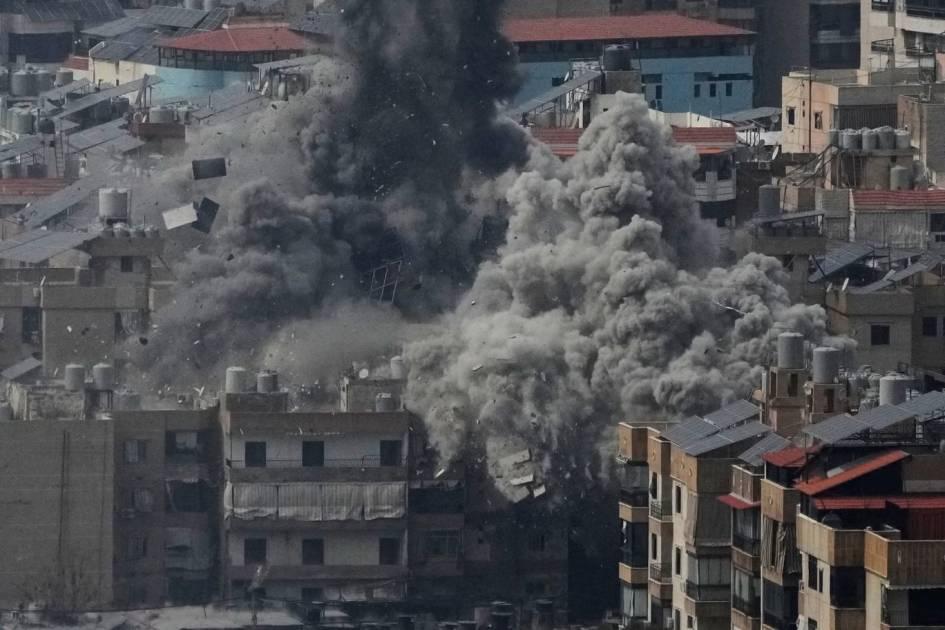
A conflict over Iran and the United States has spilled into online “meme” warfare, with the White House and Iranian-linked accounts trading AI-generated images, video clips, and pop-culture satire. Folha de S.Paulo frames the contest as a modern extension of war propaganda, quoting Nick Cull of the University of Southern California’s Annenberg School saying, “Cruel memes are an integral part of our wars.” The same article says the difference from earlier eras is that “the use of memes as a weapon of war has been incorporated into state strategies,” adding that “Trump, for example, has used his accounts — and those of the White House — to publish AI-generated images and videos.”
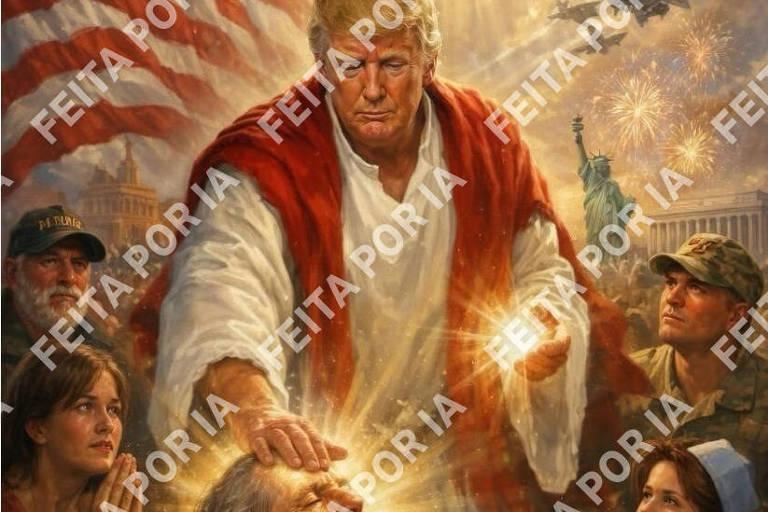
It describes a “latest” post showing the president “wearing robes similar to Jesus,” healing a sick man by placing his hands on his head, published amid clashes between Trump and Pope Leo 14. In response, Folha de S.Paulo says an Iranian embassy account distributed a video in which “the Trump-in-robe is attacked by the real Jesus,” delivering “a bloody punch to the mouth of the American president” and knocking him into “a lava pit.” The article says the post “has accumulated more than 12 million impressions on X,” and it describes how the short-format posts are organized by algorithms and mix “text, video, and image.”

On the Iranian side, Onmanorama describes the strategy as an AI-driven “slopaganda” war, saying Tehran counters White House videos that blend American strikes with clips from “popular films, television series, video games and anime.” Onmanorama also says the Iranian embassy in Tajikistan posted an AI-generated clip on April 15 attacking Trump as Jesus after Trump shared an AI-generated picture on Truth Social comparing himself to Jesus, and it adds that Trump later removed the post from Truth Social.
AI memes and official messaging
Multiple reports describe how official U.S. messaging has adopted meme formats, turning war communication into entertainment-style content.
Al Jazeera net cites Politico’s reporting that the Trump administration is “challenging decades of presidential protocol regarding war-related messaging,” portraying the Iran war “as a violent video game,” which “unsettled former defense officials and members of Congress.”
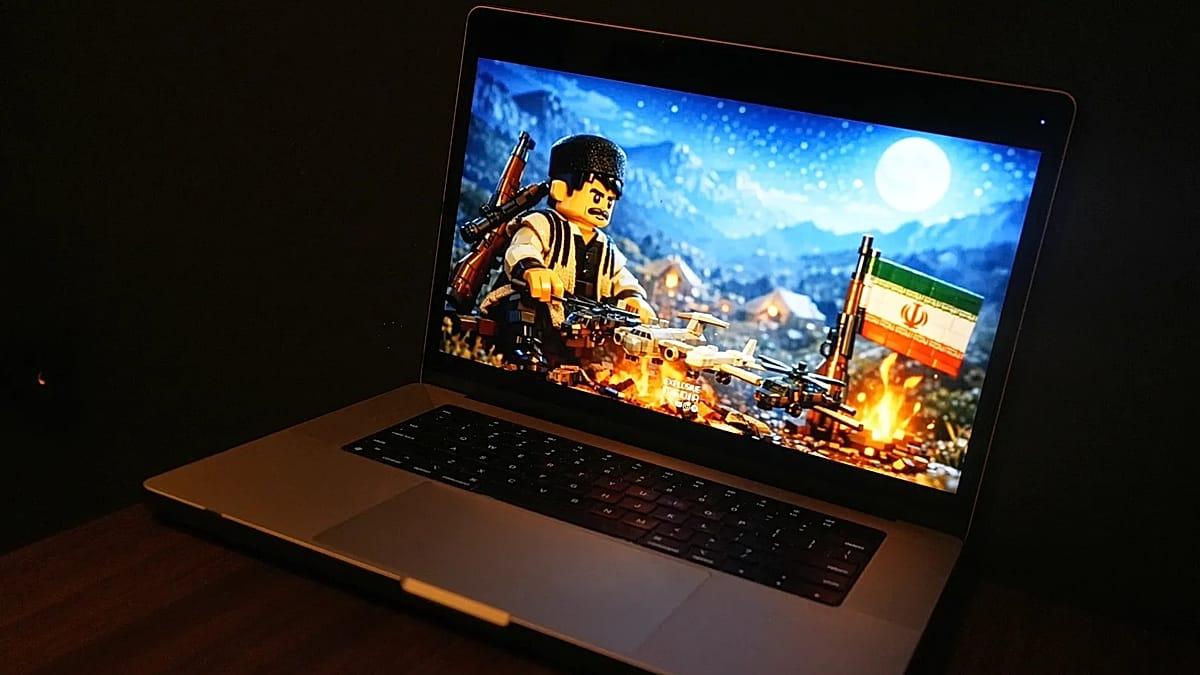
The same Al Jazeera net account says Politico described a White House plan “to market the Iran war online in an unprecedented fashion,” using “TikTok clips that fuse missile strikes with film scenes and video game footage.”
It adds that the Pentagon adopted “a pompous tone,” including Defense Secretary Pete Hegseth’s statements about “no mercy for enemies” and describing Iran’s leaders as “rats hiding underground,” while “engagement rules” were deemed “stupid.”
Al Jazeera net also reports that the video clips “earned over 3 billion views in four days,” and it quotes a co-producer saying, “We’re here making exciting memes; there’s an entertainment element to what we do, but in the end no one before has tried to reach the American public in this way.”
In parallel, Al Jazeera net says former CENTCOM commander Joe Votel argued, “I don’t think our men and women in uniform need Hollywood glamor or computer games.”
It also quotes retired General Ben Hodges saying, “This seems detached from reality. Our allies are looking at this and wondering what’s going on? It doesn’t seem we are serious.”
The Independent Arabic describes the same shift by saying the war in Iran has turned “people’s phones and their platform into a terrifying entertainment stage,” and it says a clip “was issued by the White House itself.”
Ceasefire, “TACO,” and retaliation
Onmanorama and other reports connect the meme cycle to specific moments in the conflict, including a ceasefire and subsequent waves of AI-generated content.
Onmanorama says that after “Trump’s repeated deadlines to Iran and his warning that “a whole civilisation will die tonight” were followed by an unexpectedly announced ceasefire on April 8,” “AI-generated clips began circulating” showing “miniature versions of him surrendering, panicking, or being outmanoeuvred.”
It describes one caption reading, “Trump Surrendered. IRAN WON. TACO will always remain TACO. TACO means Trump Always Chickens Out.”
The report says the “TACO” reference appears repeatedly across other videos, including “a sobbing US president eating a taco while temporary ceasefire terms lie beside him,” and a Lego Trump holding a card that reads “Victory” on the front and “I am a loser” on the back.
It also says the videos “go further than satire” by framing Iran’s response as revenge for U.S. military actions and “a wider set of grievances,” listing “Palestine, Afghanistan, the Epstein scandal, and references to figures such as Rachel Corrie and Malcolm X.”
Onmanorama adds that clips supporting Lebanon have circulated, “tying multiple regional conflicts into a broader moral narrative of resistance,” and it argues that AI helps pro-Iran groups overcome “language and production barriers” by allowing content to be “generated, subtitled and distributed almost instantly.”
In a separate account, al-bayader describes the ceasefire as raising “hopes on Wednesday of stopping the hostilities,” while saying “many issues remain unresolved,” and it quotes Neil Lofi Driver saying, “It’s a propaganda war for them.”
It adds that Iran’s goal is to “sow enough grievance about the conflict to force the West to concede eventually,” and it says this is “extremely important to them.”
Stakes: credibility, deaths, and reach
The stakes described by the sources extend beyond online engagement into credibility, information reliability, and the human toll of the conflict. The Independent Arabic says the boundary between truth and fiction is fading and that “the profits of those who traffic in destruction grow,” while “the human tragedy behind the screens is erased.” It reports that “By Sunday, the video had surpassed 50 million views on X, formerly Twitter,” and it places that digital uproar against “the grim reality unfolding in the region,” including a claim that “military investigators pointed to the possibility that American forces were responsible for an air strike that hit a girls’ school in Iran, killing dozens of girls.”
The same report cites the Red Crescent saying “more than 1,300 people have been killed in Iran since the war began,” and it says “the United States has lost six soldiers in retaliatory Iranian attacks.” It also says the White House released a clip combining “a drone strike with a SpongeBob meme repeating the line asking whether people want him to say it again,” and it warns that when official actors such as the White House turn to memes and AI, it “undercuts their credibility.” The Independent Arabic adds that “Google, the world’s largest information source, has not been spared criticism,” and it says NewsGuard Reality Check warned that Google’s “reverse image search tool” now produces “AI-generated misleading summaries.”

It further states that Reality Check identified “four cases” where Google’s AI Overviews repeated misinformation about the war, including an example where Iranian-aligned accounts reposted a video from 2015 claiming an Iranian missile targeted the CIA building in Dubai, and Google’s AI Overviews “inaccurately” stated the image showed “a fire in a residential tower in Dubai, United Arab Emirates, on March 1, 2026.” In al-bayader, analysts describe the meme war as part of a broader strategy to harm the United States “even indirectly,” including influencing “traffic flows through the Strait of Hormuz” and keeping “a chokehold on the global economy.”
Competing narratives and audiences
The sources portray the meme war as a contest over who the messages are meant to reach and what they aim to achieve, with different outlets emphasizing different audiences and tactics.
“It’s a propaganda war for them. Their goal is to sow enough grievance about the conflict to force the West to concede eventually, so this is extremely important to them.”
Folha de S.Paulo quotes Nick Cull arguing that the two sides are “betting on different audiences,” saying, “See how many memes are being made in English. That suggests that the Iranians are not trying to win internal support; they want to troll Trump for the rest of the world.”
The same article contrasts that with the United States, saying, “Meanwhile the US, when they create videos in” and linking the approach to posts aimed at Trump’s base.
It also describes how Iran’s memes use ridicule rather than grandeur, quoting Cull’s explanation that “the two countries are betting on different audiences,” and it says Iran “goes the route of ridicule.”
Al-bayader similarly frames the strategy as a propaganda effort designed to force concessions, quoting Neil Lofi Driver: “It’s a propaganda war for them. Their goal is to sow enough grievance about the conflict to force the West to concede eventually, so this is extremely important to them.”
The report adds that the memes “appear to originate from government-linked groups in Tehran,” and it says the strategy uses Iran’s “limited resources to harm the United States, even indirectly.”
It also says the memes are “not only fluent in English but also adept at American culture and trolling,” and it describes how they depict Trump as “aging, off his game, and internationally isolated.”
In addition, al-bayader describes a Lego-style clip where an Iranian military commander sings, “You thought you ruled the world from your throne. And now we turn every base into a fortress,” and it says another series uses “Epstein File” to document investigations into Jeffrey Epstein.