
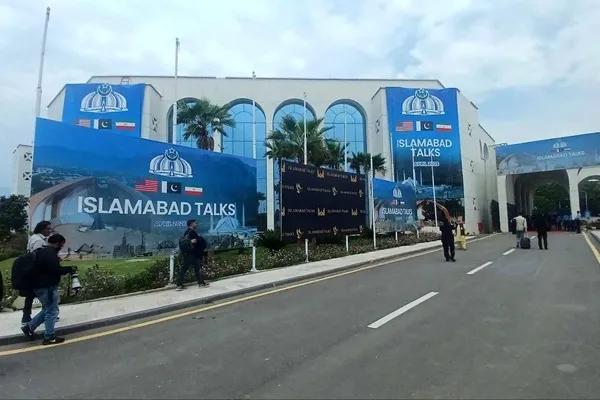
U.S. Vice President JD Vance Leads Islamabad Peace Talks With Iran Amid Shaky Ceasefire
Key Takeaways
- JD Vance arrives in Islamabad to lead U.S. talks with Iran amid fragile ceasefire.
- Vance and Iranian officials meet Pakistan's prime minister separately in Islamabad.
- No agreement reached yet; discussions focus on ending war and stabilizing ceasefire.
Peace Talks Begin
U.S. Vice President JD Vance arrived in Islamabad to lead peace talks with Iran, marking the highest-level U.S.-Iran meeting since 1979.
“Paul Adams Diplomatic correspondent Iran's network of regional allies and proxies – Hezbollah in Lebanon, the Houthis in Yemen, Hamas in Gaza and an assortment of militias in Iraq – has given Tehran regional clout, allowing Iran to exercise what is often called "forward defence" in its long-running disputes with Israel and the United States”
The talks took place under a shaky ceasefire agreed days earlier after six weeks of war.
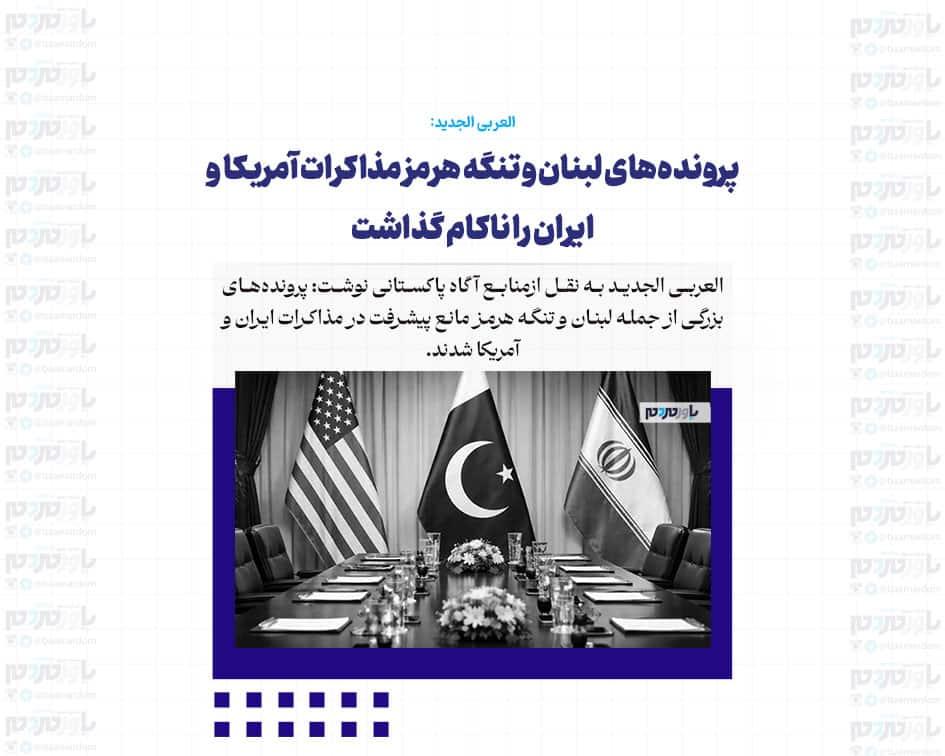
Pakistani Prime Minister Shehbaz Sharif met separately with both delegations as Pakistan served as the intermediary.
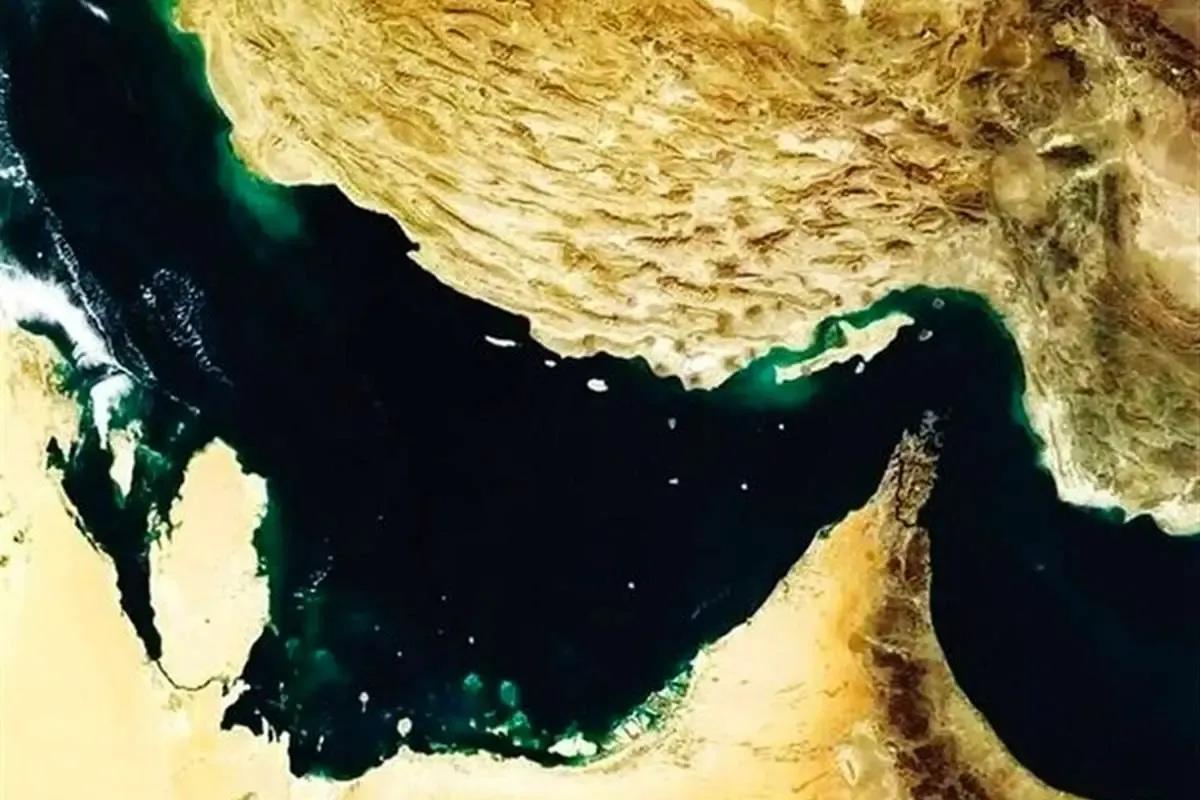
Core issues included the Strait of Hormuz, Iran's nuclear program, sanctions relief, and the Lebanon-Israel conflict.
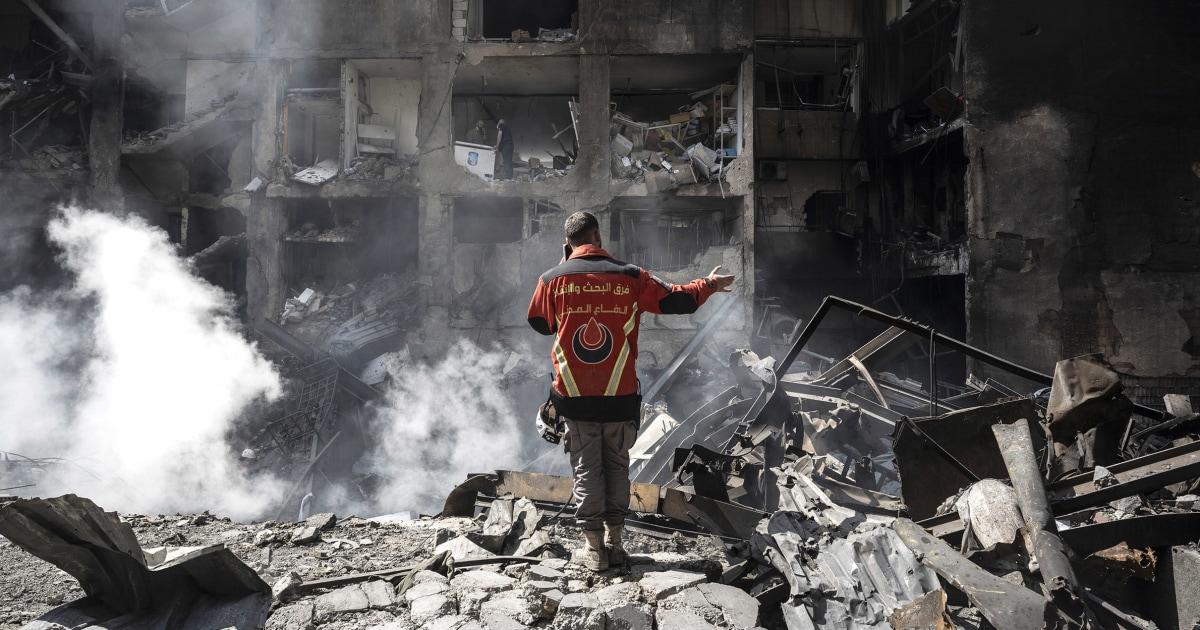
The ceasefire was already showing strain: Israel continued strikes in southern Lebanon, and the Strait of Hormuz remained effectively closed.
Four Core Issues
The talks centered on four core issues that Tehran had laid out as preconditions.
Iran insisted formal talks could only begin after Washington committed to a ceasefire in Lebanon and lifted sanctions.

The U.S. and Israel viewed the Lebanon campaign as separate from the Iran-U.S. ceasefire.
The Strait of Hormuz was a major sticking point.
President Trump tweeted, This is not the agreement we have!
Divergent Death Tolls
The Human Rights Activists News Agency reported at least 1,701 civilians killed in Iran.
“• Pakistan talks: US Vice President JD Vance and Iranian officials have met separately with Pakistan’s prime minister ahead of high-stakes negotiations between the US and Iran expected later today”
Lebanon's health ministry said at least 1,953 people had been killed in the fighting between Israel and Hezbollah.
The American death toll stood at 13 service members.
The continuation of Israel's military campaign against Hezbollah risked undermining the talks.
Iran's president warned that our fingers remain on the trigger.
Skepticism and Stakes
Skepticism about the U.S. delegation's qualifications was widespread.
The Washington Post noted the team lacked traditional diplomatic experience.
The Guardian described Vance's assignment as a poisoned chalice.
The World Bank warned that global growth could slow by up to 1 percentage point if the war continues.
The talks represented a critical moment with high stakes for regional stability and the global economy.
More on Iran

Trump Announces US-Iran Talks Could Resume in Pakistan Within Two Days
11 sources compared
US-Iran Talks Fail in Islamabad Over Nuclear Program and Strait of Hormuz
14 sources compared
US Enforces Naval Blockade on Iranian Ports After Islamabad Talks Collapse
17 sources compared
Trump Orders US Naval Blockade of Iranian Ports in Strait of Hormuz
17 sources compared