US And Iran Begin Islamabad Peace Talks After Ceasefire Ends 40-Day War
Key Takeaways
- Pakistan hosts direct U.S.-Iran peace talks in Islamabad.
- Talks aim to cement a two-week ceasefire amid Lebanon-Israel fighting and Hormuz tensions.
- U.S. delegation led by JD Vance attends alongside Iran's delegation.
Peace Talks Begin
The United States and Iran commenced peace negotiations in Islamabad on April 11, 2026, following a two-week ceasefire.
The U.S. delegation was led by Vice President JD Vance, while Iran was represented by Foreign Minister Abbas Aragchi and Parliament Speaker Mohammad Bagher Qalibaf.

The talks were brokered by Pakistan, which played a central mediating role.
The agenda included Iran's nuclear program, control of the Strait of Hormuz, and the release of detained Americans.
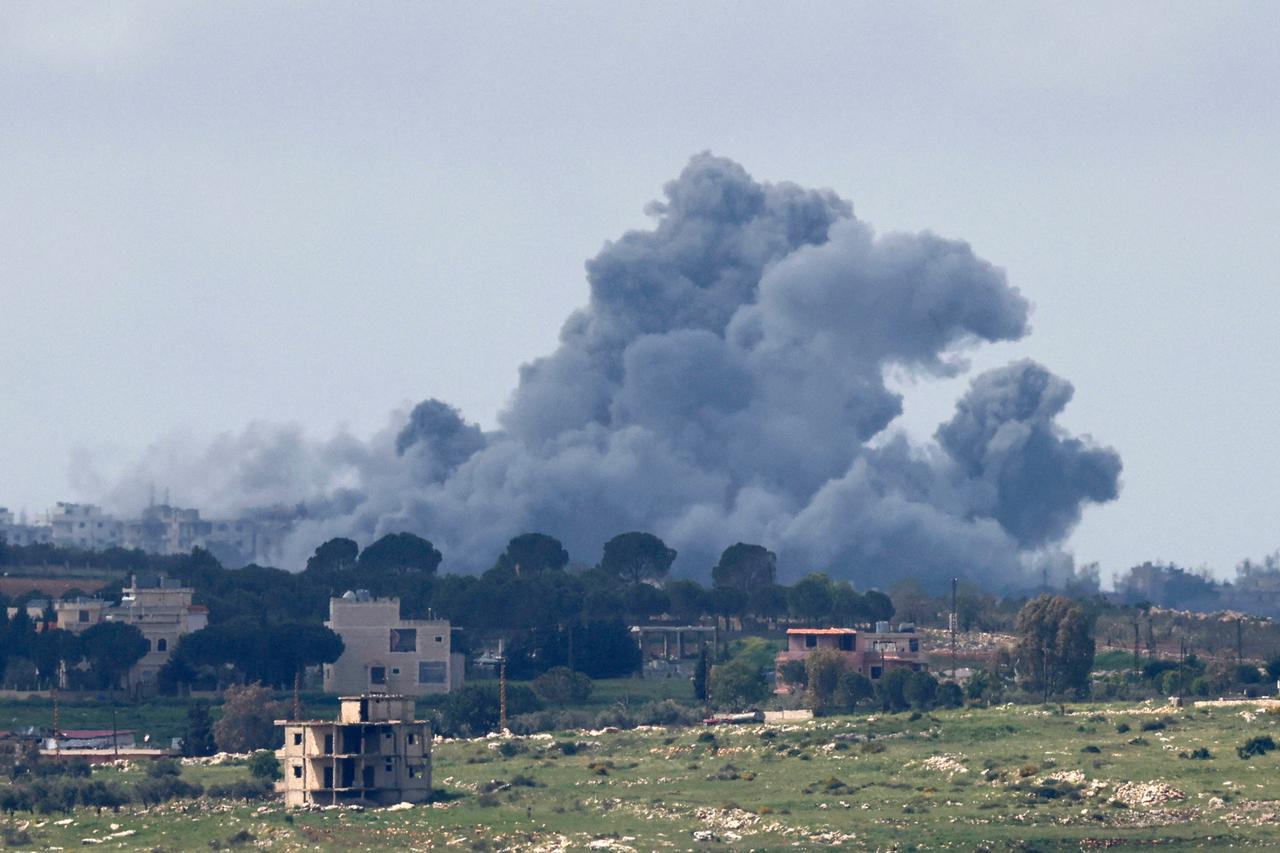
The talks opened amid ongoing Israeli strikes in Lebanon, which Iran insisted were part of the ceasefire while the U.S. and Israel denied this.
Divergent Ceasefire Views
A central obstacle was the divergent interpretations of the ceasefire.
Iran demanded a ceasefire that included Lebanon and the release of frozen assets as preconditions for talks.

The Strait of Hormuz remained effectively closed despite the ceasefire.
The death toll from the conflict had risen to nearly 3,400 in Iran, including more than 1,600 civilians.
Israeli strikes in Lebanon killed at least 357 people in three days of bombardment.
Nuclear and Hormuz Standoff
The nuclear issue and control of the Strait of Hormuz were key sticking points.
Iran insisted its right to enrich uranium was non-negotiable.
The Strait of Hormuz remained blocked under Iranian terms that included transit fees of approximately $2 million per vessel.
American Detainees and Compensation
The release of detained Americans was a prominent issue.
The U.S. State Department urged Tehran to immediately release all Americans detained by it.

The Trump administration had designated some detainees as wrongfully detained.
Iran's demand for compensation for war damages was part of its 10-point proposal.
Pakistan's Mediation Role
Pakistan's role as mediator was a strategic revelation.
The Middle East Forum noted that Pakistan's relations and understanding of Iran helped the diplomatic outreach process.

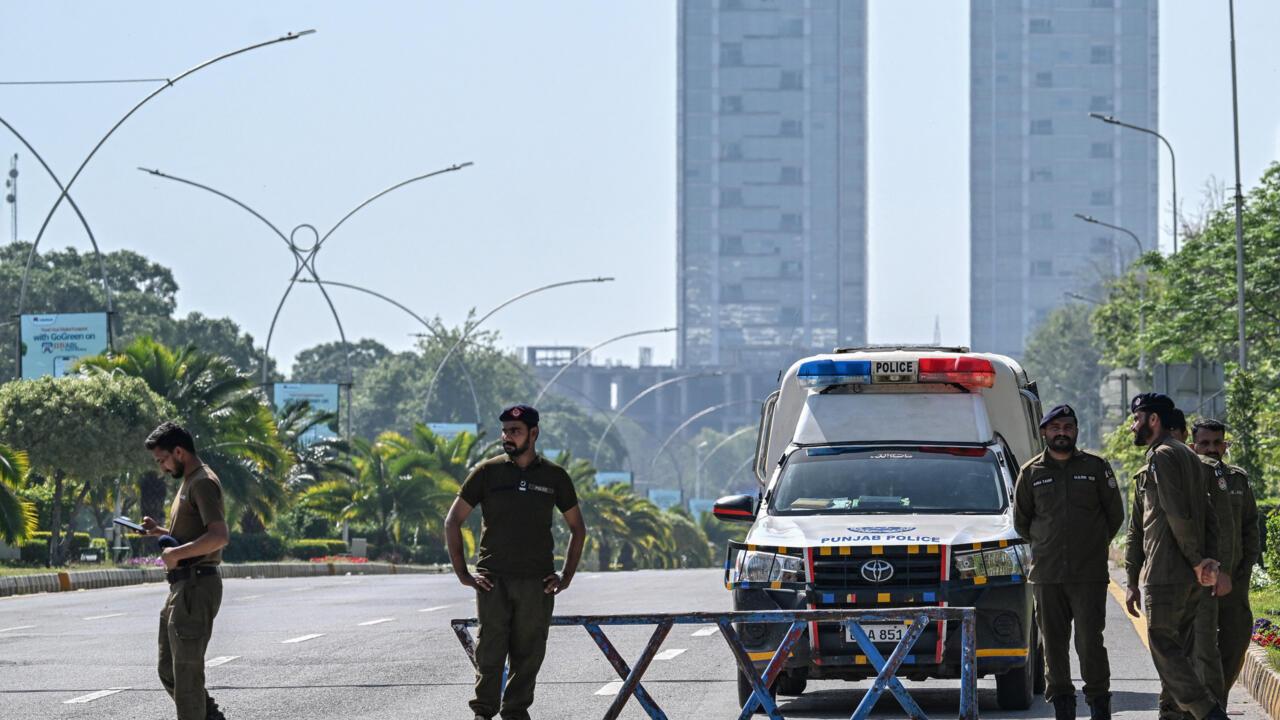
DW reported that Islamabad was on high alert, with security convoys everywhere.
The Pakistani government eased visa restrictions as delegations and journalists began arriving.
More on Iran
Iran Demands Lebanon Ceasefire And Asset Release Before US Peace Talks
13 sources compared

Iran Blocks Strait of Hormuz, Demands Israel Cease Attacks Before Talks
24 sources compared

US Sends Vance to Pakistan for Peace Talks as Israel Strikes Lebanon
23 sources compared

U.S. and Iran Hold Pakistan-Mediated Peace Talks Amid Israel Bombing Lebanon
11 sources compared