USA11 April, 20262 min read
US Vice President Vance Leads Peace Talks With Iran In Islamabad
This article is an automated aggregation of coverage from news outlets. Our editorials offer in-depth analysis curated by the NewsCord team.
Vice President JD Vance leads U.S. delegation to peace talks in Islamabad. Aim to convert a two-week ceasefire into lasting peace agreement.
Historic US-Iran Talks
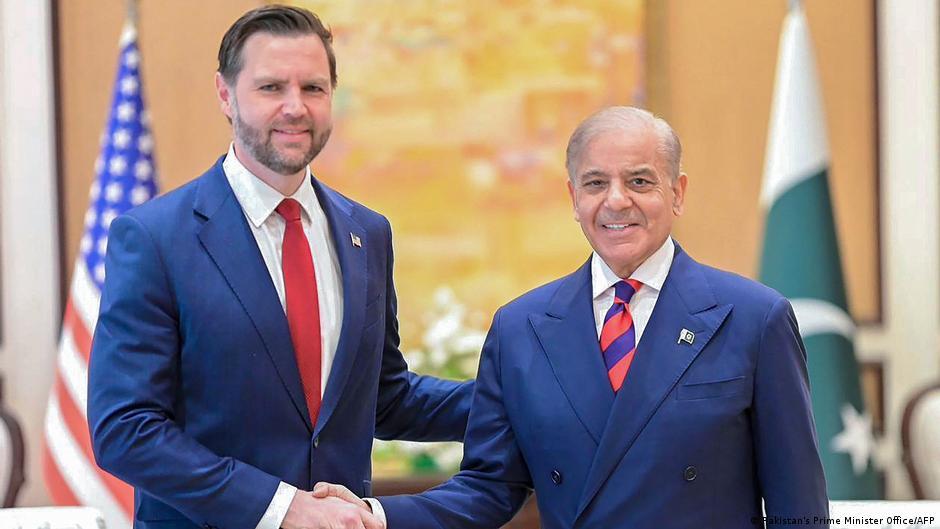
The United States and Iran began face-to-face peace talks on April 11, 2026, in Islamabad, Pakistan. The U.S. delegation was led by Vice President JD Vance and included Special Envoy Steve Witkoff and Jared Kushner. The Iranian delegation was headed by Parliament Speaker Mohammad Bagher Ghalibaf and Foreign Minister Abbas Araghchi.
Ghalibaf had cast doubt on the talks hours before they began, demanding the release of blocked Iranian assets and an Israeli ceasefire in Lebanon. Trump tweeted that "The Iranians don’t seem to realize they have no cards."

Conflicting Preconditions
Iran insisted negotiations would only take place if there was an Israeli ceasefire in Lebanon and the release of blocked Iranian assets. Ghalibaf tweeted that "These two matters must be fulfilled before negotiations begin." The U.S. and Israel argued that Lebanon was not part of the ceasefire deal.
The Strait of Hormuz remained a major sticking point, with Iran maintaining control and beginning to charge ships for passage. The war had driven up global energy costs and sent Brent crude prices up more than 30%.
Nuclear Program Demands
The Trump administration entered the talks demanding that Iran end its nuclear program. Vance told reporters the U.S. would insist that Tehran hand over its ingredients for nuclear weapons. Trump said the main objective would be to ensure that Tehran cannot have a nuclear weapon.
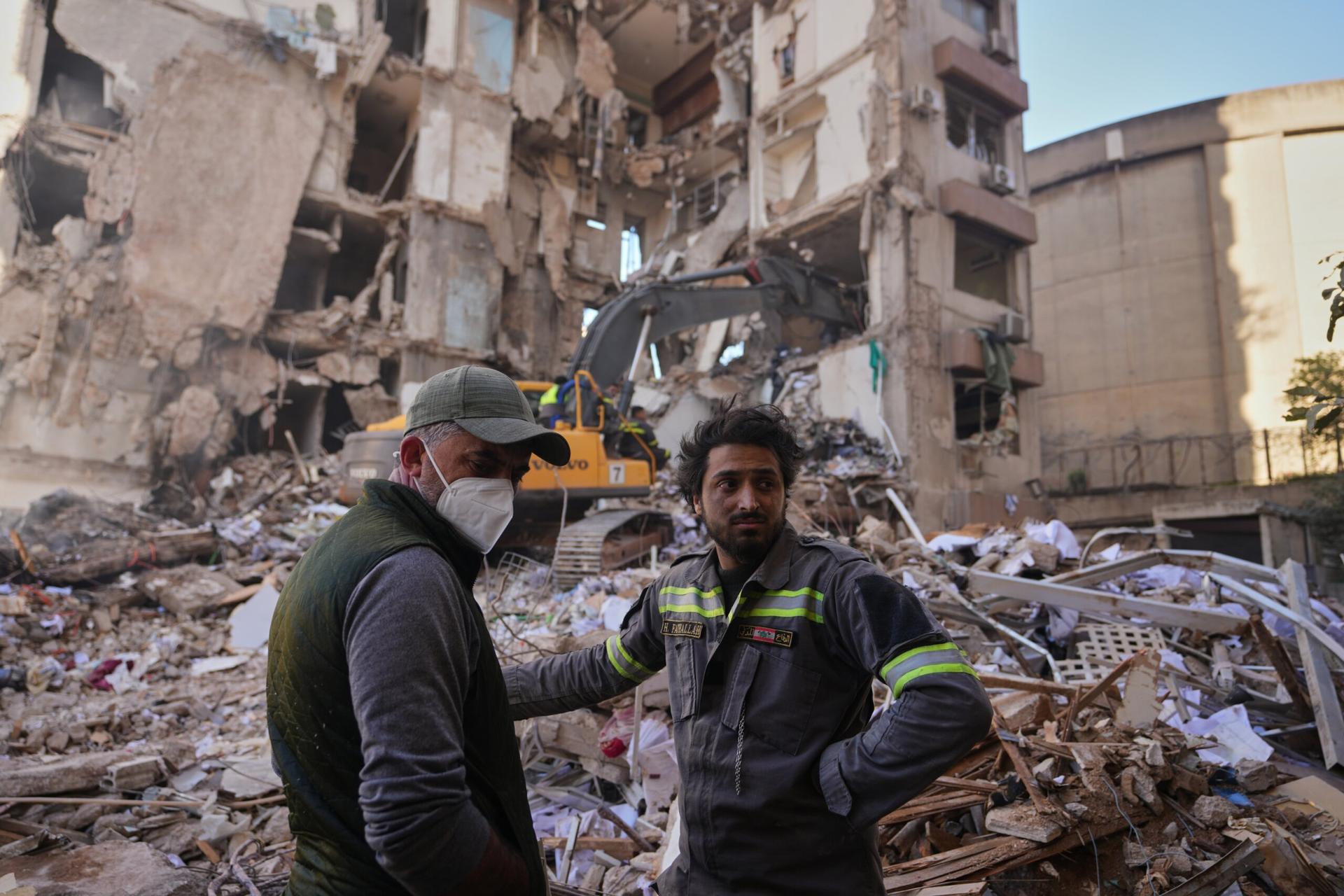
Israel and Lebanon prepared to hold direct negotiations in Washington to address Hezbollah. The war had killed at least 3,000 people in Iran, 1,953 in Lebanon, 23 in Israel, and more than a dozen in Gulf Arab states.
Skepticism and Regional Dynamics
Trump told NewsNation he had "no idea" how successful they could be. Iranian Foreign Minister Araghchi said Tehran was entering negotiations with "deep distrust." Pakistan deployed forces to Saudi Arabia as part of a defense deal signed in September.
The UN demanded an immediate end to all military action that violates international law in the Middle East. Three supertankers passed through the Strait of Hormuz, marking the first vessels to exit the Gulf since the ceasefire.
