
U.S. Waives Iranian Oil Sanctions for 30 Days
Key Takeaways
- U.S. Treasury issues 30-day license waiving sanctions on Iranian oil loaded on vessels at sea.
- Aims to ease global oil prices; lasts through April 19.
- About 140 million barrels will reach global markets.
Sanctions Waiver Details
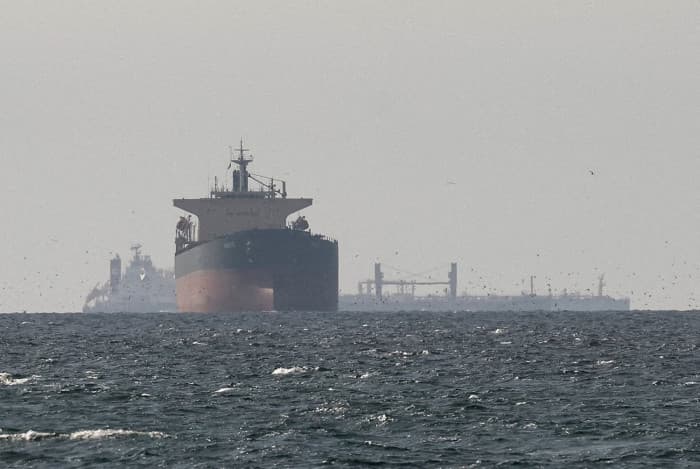
The U.S. Treasury Department has issued a temporary 30-day license allowing the sale of Iranian oil currently stranded at sea, a move announced by Treasury Secretary Scott Bessent on March 20, 2026.
“The Trump administration announced a 30-day sanctions waiver to allow the sale and trading of Iranian crude oil and its derivatives currently aboard tankers at sea since March 20”
The waiver applies specifically to Iranian crude oil and petroleum products loaded onto vessels before March 20, authorizing their sale and delivery through April 19, 2026.

This authorization represents the third sanctions waiver issued by the Trump administration in approximately two weeks, following similar measures on Russian oil shipments.
The license includes significant restrictions, prohibiting transactions involving entities located in North Korea, Cuba, occupied regions of Ukraine, and Crimea, as well as entities owned, controlled, or operated by them.
The move comes amid escalating tensions between the U.S./Israel and Iran following the 'Epic Rage Operation' military confrontation, with both sides attempting to navigate the economic fallout from the conflict.
Economic Rationale
The economic rationale behind the sanctions waiver centers on alleviating global energy supply pressures caused by the Iran conflict, with Treasury Secretary Bessent estimating the measure could bring approximately 140 million barrels of Iranian oil to global markets.
The Trump administration argues that without this intervention, Iranian oil would continue flowing primarily to China through its 'shadow fleet' of sanctions-evading tankers, allowing Beijing to benefit from discounted oil while other nations face price spikes.
Energy analysts note that about 20 million barrels of oil pass through the Strait of Hormuz daily, and Iran's restrictions on navigation through this strategic waterway have created significant supply disruptions.
U.S. officials claim the move will help stabilize markets for about three weeks, based on estimates that the Hormuz blockade has caused a daily supply shortage of 10-14 million barrels.
However, some experts question whether the additional supply will significantly impact prices, suggesting that most of the crude already at sea has been bought and accounted for.
Controversy and Criticism
The sanctions waiver has sparked significant controversy and criticism from lawmakers and analysts who view it as contradictory to the administration's stated war objectives.
“Bitget App Trade smarter Open [](https://www”
Critics argue that lifting sanctions on Iranian oil directly undermines the administration's claim of maintaining 'maximum pressure' on Iran, potentially providing revenue for Iran's war effort despite Treasury officials' assurances that Iran will have difficulty accessing generated revenue.
The move has been described as an 'act of desperation' by some observers, particularly in light of President Trump's earlier suggestions that he might consider winding down the strikes against Iran.
Lawmakers on Capitol Hill expressed surprise at the scale of the Pentagon's potential war funding requests, with Rep. Rosa DeLauro noting she was 'blindsided' by reports of $200 billion in additional military spending requests.
The administration's broader energy strategy has involved multiple simultaneous measures, including releasing oil from the Strategic Petroleum Reserve, waiving the Jones Act, and temporarily easing sanctions on Russian oil shipments.
Iran's Response
Iran has directly challenged the U.S. rationale for the sanctions waiver, denying through its Ministry of Oil spokesperson Saman Ghodousi that it has any 'floating crude or surplus available for international markets.'
The Iranian government dismissed the Treasury Secretary's remarks as appearing 'aimed at reassuring buyers and managing market sentiment' rather than reflecting actual supply conditions.

This denial from Iran risks unsettling an already volatile market where crude prices have surged amid the West Asia conflict entering its fourth week.
Despite the U.S. authorization permitting the import of Iranian-origin crude oil and petroleum products into the United States, it remains uncertain whether any Iranian oil will ultimately reach American shores, as the U.S. has largely refrained from importing Iranian crude since sanctions were imposed following the Iranian Revolution.
The move also complicates the geopolitical landscape, with Japan's Prime Minister Sanae Takaichi expressing concerns about the 'very severe security environment' and the global economy facing a 'huge hit' due to the conflict.
More on USA

Heavy Rains Flood Oahu as Wahiawa Dam May Fail; Thousands Evacuate
30 sources compared

U.S. Deploys 2,500 Marines, 3 Warships to the Middle East as Iran Escalates
13 sources compared
Trump administration lifts sanctions on Iranian oil stranded at sea
15 sources compared
The United States Deploys 2,500 Marines and 3 Warships as Iran-US-Israel War Escalates
120 sources compared