
US Waives Iranian Oil Sanctions for 30 Days to Ease Prices Amid War on Iran
Key Takeaways
- U.S. grants 30-day waiver of sanctions on Iranian oil at sea
- About 140 million barrels of Iranian oil to be released globally
- Move aims to ease rising global energy prices amid conflict
Sanctions Waiver Details
The Trump administration issued a 30-day sanctions waiver on March 20, 2026, allowing the purchase of Iranian oil already at sea.
The Treasury Department license permits Iranian oil to be imported into the United States when necessary to complete existing sales or delivery agreements.

This covers approximately 140 million barrels of crude that was stranded due to sanctions.
This marks the third time the administration has temporarily waived sanctions on oil from US adversaries in just over two weeks.
The waiver specifically applies to cargo loaded on or before March 20 and discharged by April 19.
This includes shipments on previously sanctioned tankers, though it excludes transactions with North Korea, Cuba, occupied Ukrainian regions, and Crimea.
Political and Economic Motivations
The waiver reflects significant White House concerns about economic impacts on US businesses and consumers ahead of the November midterm elections.
Oil prices have surged about 50% to over $100 per barrel since the US and Israel launched their attacks on Iran on February 28.

Treasury Secretary Scott Bessent explained that releasing the sanctioned Iranian oil would help keep oil prices down for 10 to 14 days.
Bessent stated 'In essence, we will be using the Iranian barrels against Tehran to keep the price down as we continue Operation Epic Fury.'
The administration worries that soaring energy costs could hurt Republican chances of retaining control of Congress.
The Pentagon reported that the first six days of the war alone cost more than $11.3 billion.
Energy Secretary Chris Wright added that supplies could reach Asia within three or four days and hit the market after being refined over the coming month and a half.
Asian Market Impact
Asian refiners are poised to benefit significantly from the sanctions waiver.
China has emerged as Iran's main client, with independent refiners buying 1.38 million barrels per day last year.
Three Indian refining sources confirmed they will buy Iranian oil, while other Asian refiners are examining similar moves.
Before US sanctions were reimposed in 2018, major buyers included India, South Korea, Japan, Italy, Greece, Taiwan and Turkey.
Potential complications include uncertainty over payment mechanisms since sanctions forced Iran to sell crude through third-party traders since 2018.
A large share of the oil is aboard aging 'shadow fleet' ships.
Some refiners remain bound by contracts with National Iranian Oil Co., though most sales have shifted to third-party traders.
Geopolitical Context
The strategic move by the US administration comes amid escalating tensions in the Middle East.
Iran has effectively closed the Strait of Hormuz, a conduit for about 20% of the world's oil and liquefied natural gas.

Energy experts estimate that about 130 to 170 million barrels of Iranian crude are currently at sea.
Asia relies on the Middle East for 60% of its crude supply.
The near-closure of the Strait of Hormuz has forced refineries across the region to run at lower rates and cut fuel exports.
The waiver is described as a temporary measure that 'will rapidly supply approximately 140 million barrels of crude to the global market'.
There are concerns about whether international banks will immediately begin facilitating transactions involving Iranian oil.
Strategic Implications
The sanctions waiver represents a pragmatic approach by the Trump administration to balance geopolitical strategy with economic reality.
Bessent emphasized that 'Iran will have difficulty accessing any revenue generated by the move and Washington will maintain maximum pressure on Iran and its ability to access the international financial system.'

The administration frames this as using Iranian oil 'against Tehran' to achieve strategic objectives while addressing domestic economic concerns.
Market analysts note that 'easing concerns over Iran's energy infrastructure has lowered the risk premium in oil markets.'
Brent crude gained 3.26 percent to $112.19 and West Texas Intermediate rose 2.27 percent to $98.32 following the announcement.
The move raises questions about the consistency of US sanctions policy.
It could complicate diplomatic relations for countries like India that must balance Washington's demands with their energy security needs.
More on USA

California lawmakers rename Cesar Chavez Day to Farmworkers Day amid sexual abuse allegations.
17 sources compared

Robert Mueller Dies at 81; Former FBI Director
73 sources compared
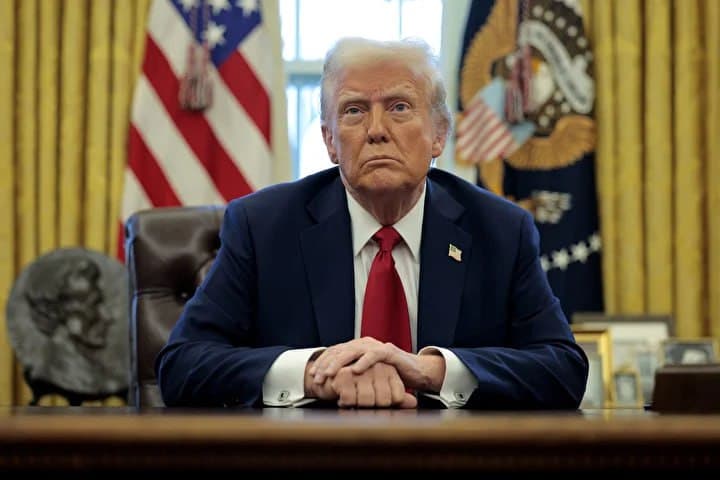
Trump threatens to deploy ICE to airports amid DHS shutdown
13 sources compared
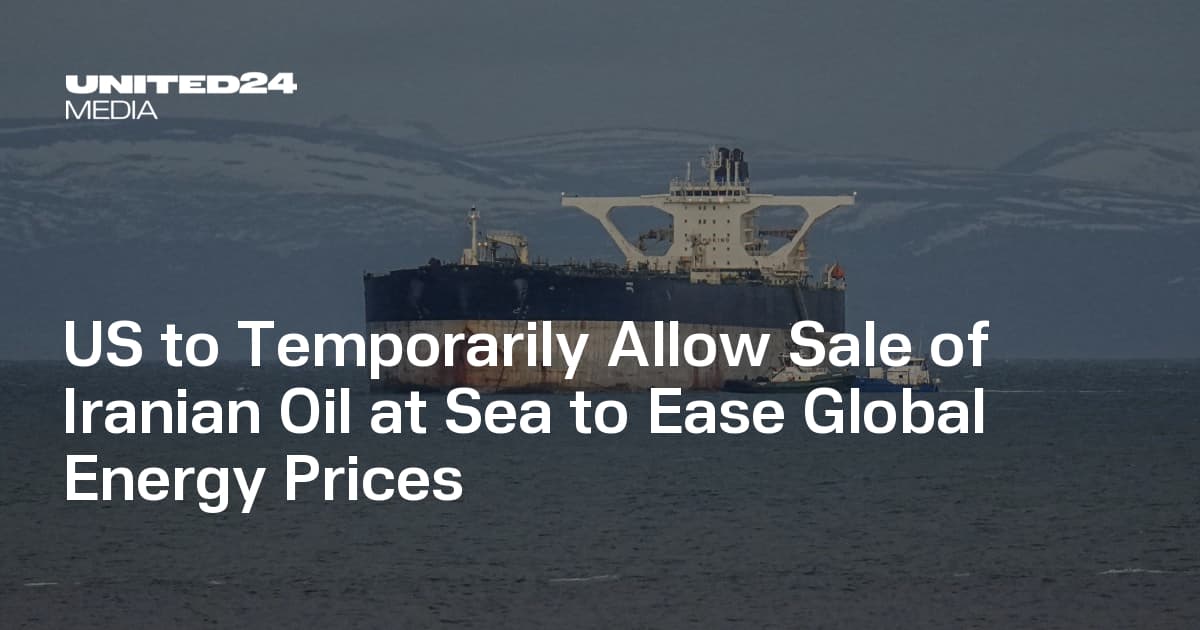
Trump Administration Waives Iranian Oil Sanctions for 30 Days to Ease Global Energy Prices
14 sources compared