
U.S. War on Iran Halts Maritime Traffic, Sends Fertilizer Prices Soaring for American Farmers
Key Takeaways
- United States and Israel are waging a sweeping military campaign against Iran
- Maritime traffic in critical waterways has halted, disrupting global fertilizer and fuel supply chains
- U.S. farmers are bracing for severe economic pain as planting season approaches
Strait of Hormuz disruption
A rapid escalation in U.S.-Israel military action against Iran and Iran’s retaliatory measures have sharply disrupted maritime traffic in the Strait of Hormuz, sending global energy and fertilizer markets into turmoil.
“SALEM, Ohio — The United States’ war on Iran is being felt back home as farmers prep for spring planting, according to farmers who spoke during an American Farm Bureau Federation press briefing on March 9”
Farm and Dairy reports the escalation began after "a U.S.-Israel missile strike killed Iran’s Supreme Leader Ayatollah Ali Khamenei."
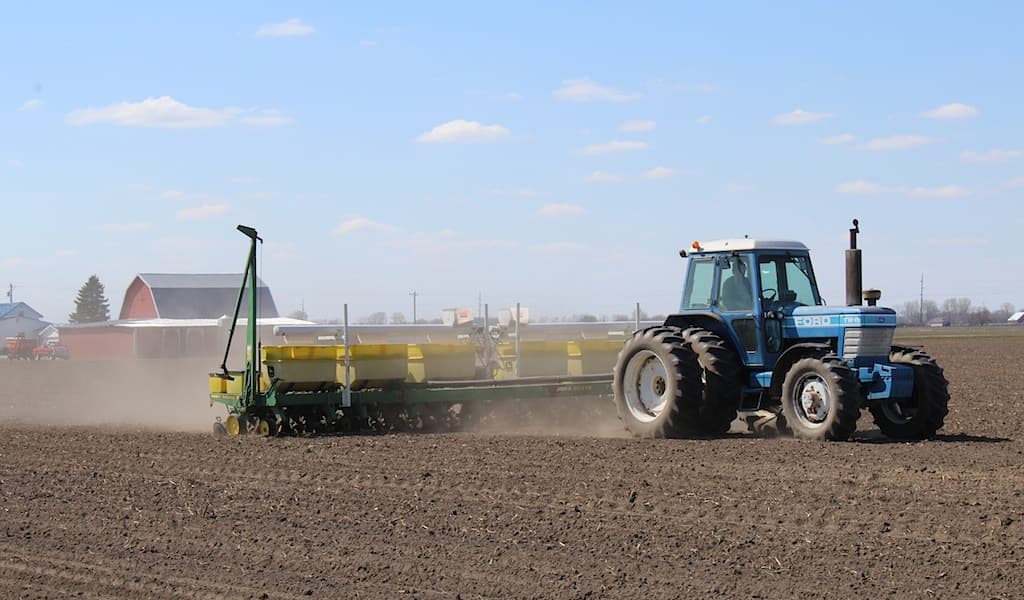
Farm and Dairy reports that Iran "halted traffic through the Strait of Hormuz on March 3."
Farm and Dairy reports that crude oil briefly rose to "$119.50 per barrel on March 9."
Foreign Policy adds that U.S. military action — described as "part of a widening U.S.-Israel campaign" — is also disrupting fertilizer production and shipping from the Middle East, a major global fertilizer hub.
Fertilizer supply disruptions
The Strait of Hormuz closure and associated disruptions are materially reducing global fertilizer flows.
Foreign Policy estimates the blockage is preventing roughly "20–30% of global fertilizer exports" from reaching world markets and is blocking about "20% of liquefied natural gas (an important fertilizer feedstock)."
That export disruption is pushing fertilizer prices higher worldwide and tightening supplies that U.S. farmers depend on for spring planting.
Farm and Dairy underscores the timing risk, noting that about "half of corn fertilizer and 42% of wheat fertilizer is applied in spring," heightening the immediate impact on planting and input planning.
Farming price and supply impacts
U.S. farmers are already reporting steep price increases and withheld deliveries.
“SALEM, Ohio — The United States’ war on Iran is being felt back home as farmers prep for spring planting, according to farmers who spoke during an American Farm Bureau Federation press briefing on March 9”
Farm and Dairy provides on-the-ground examples and industry reaction, saying suppliers are withholding deliveries and price quotes 'until the war plays out,' and AFBF economists warn of withheld supplies.
Individual growers report sudden cost jumps — one South Dakota grower saw new fertilizer prices about $200/ton higher, adding nearly $20,000 to his bill.
Foreign Policy links those price pressures directly to the military campaign and logistic chokepoints, warning these dynamics will 'squeeze farmers worldwide.'
Fertilizer shock and farming risk
Analysts warn the fertilizer shock layers on top of prior policy stresses to create outsized financial pressure for U.S. farmers and political risk for policymakers.
Foreign Policy explicitly links fertilizer and energy market stress to prior U.S. trade policy choices, arguing the campaign’s disruption will “compound[] pain already caused by President Trump’s prior trade policies and threatening a key voter base.”
Farm and Dairy highlights the practical planting and cost implications for the spring season and emphasizes that suppliers and commodity markets are reacting to the uncertainty of continued military escalation.
More on Iran-Israel

Escalation in Iran Pushes Oil Near $120, Sparks Gas Price Surge in Los Angeles
10 sources compared
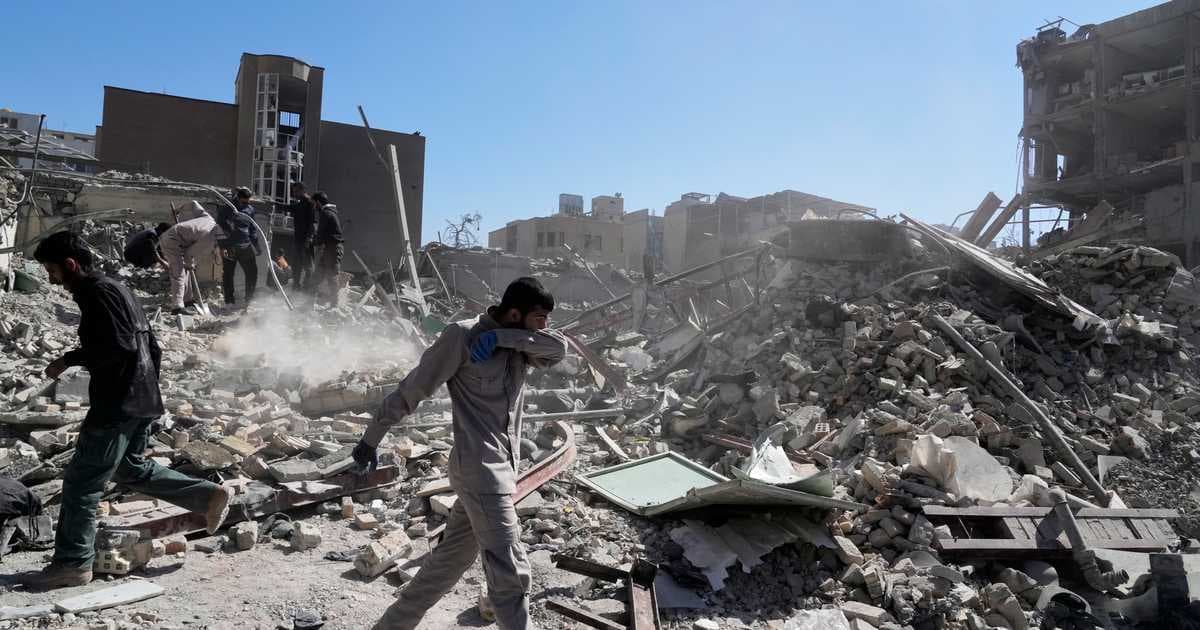
U.S. Intercepts Iran Message Activating Sleeper Cells After U.S.-Israel Strike Kills Khamenei
14 sources compared

Iran Threatens To Confiscate Property Of Iranians Abroad Who Support US And Israel
14 sources compared

Ukraine Sends Drones, Experts to Shield U.S. Bases in Jordan From Iran
16 sources compared